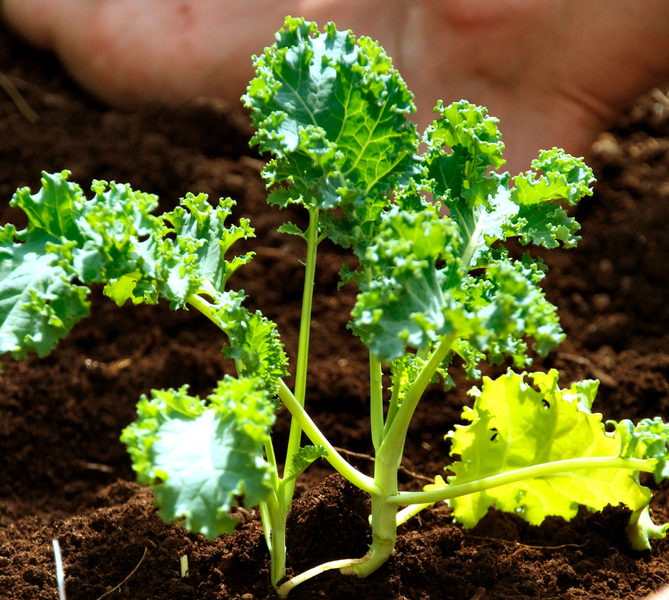
Whiteflies (specifically the cabbage whitefly) absolutely love brassicas, and they have a particular soft spot for kale. The key to saving your harvest is spotting them early and jumping into action. But the big question remains: Is your kale still safe to eat after these little pests have moved in? Let’s dive into the answer.
How to Spot Whiteflies
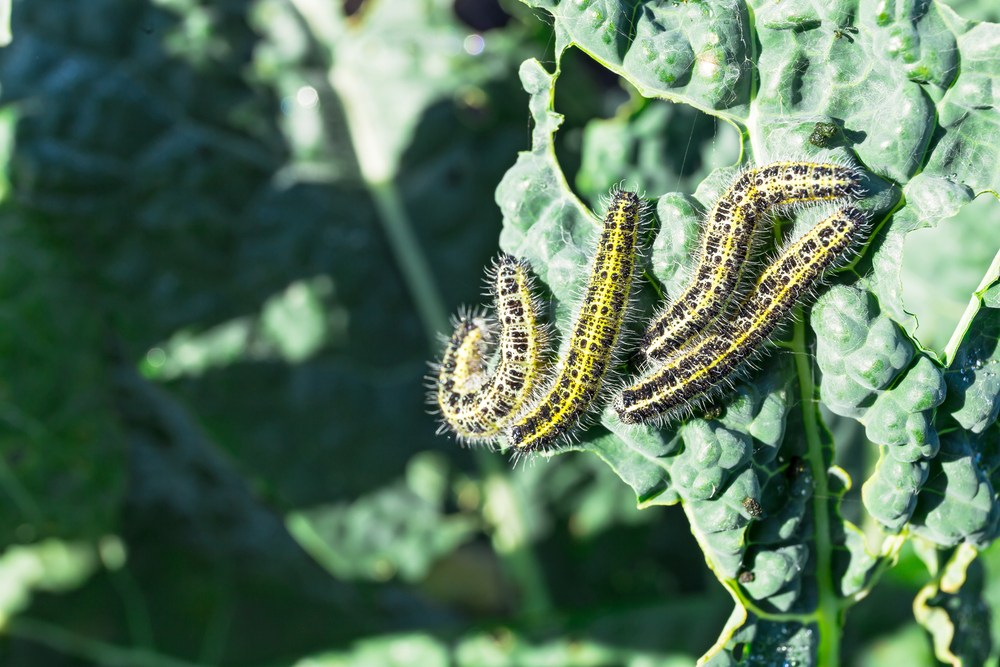
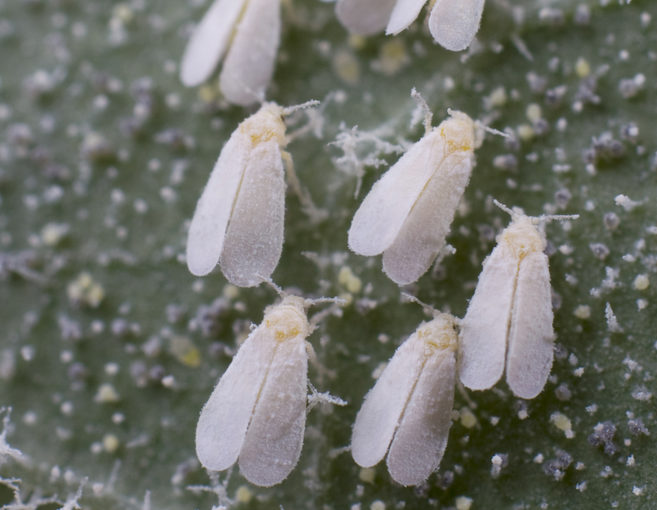
Even though whiteflies are tiny—only about a millimeter long—they’re actually pretty easy to spot. If you brush against your kale leaves and a cloud of tiny white insects flutters up, you’ve got ’em. What’s a little harder to see, though, are their green larvae.
These pests are part of the aphid family. They munch on the leaves, which weakens the plant. A telltale sign of an infestation is a sticky substance left behind on the leaves, known as honeydew, which the larvae secrete as they feed.
How to Get Rid of Whiteflies
Since you’re planning on eating that kale later, you definitely want to skip the harsh chemical pesticides. Instead, stick to organic DIY remedies. Here are a few effective options:
- Water mixed with neem oil
- A mix of canola oil and a few drops of dish soap
- A solution of insecticidal soap (or castile soap) and a splash of rubbing alcohol
Mix your chosen remedy in a spray bottle and give the infested leaves a generous coating. If some leaves are totally covered and looking rough, it’s best to just snip them off and toss them in the trash (not the compost!). Repeat this process once a week until the flies are gone and no new ones are hatching.
Is the Kale Still Edible After an Infestation?
Yes, technically you can still eat your kale even if it’s been visited by pests. The whiteflies and their sticky residue aren’t toxic or harmful to humans. That said, for some gardeners, the “ick factor” is enough to make them want to toss the whole crop.
If you decide to keep it, the most important step is a deep clean. Soak your harvested kale in a basin of water for several hours. This will help float away the adult flies, though it might not dislodge all the larvae.
If a few stragglers don’t bother you, you can just think of them as a little extra protein! Plus, once you sauté or boil the kale, that sticky residue disappears. Ultimately, it’s a personal call—but rest assured, it’s perfectly safe to eat.