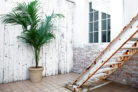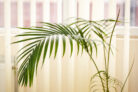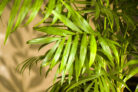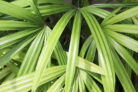
The Kentia palm is famous for being a low-maintenance indoor favorite, but it can still be a bit heartbreaking when you notice those leaves starting to dry out. If it’s just one leaf here and there, don’t sweat it—that’s usually just the plant’s natural aging process. However, if you’re seeing a lot of wilting all at once, it’s time to play detective and find out what’s going on.
Watering and Humidity
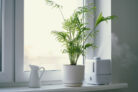
One of the most common reasons a Kentia palm develops brown leaves is a hiccup in its watering routine. These palms hail from tropical regions near Australia, so they crave high humidity. This becomes a real challenge during the winter when indoor air gets dry, often starting with those pesky brown leaf tips.
When it comes to the soil, your palm likes things “steady as she goes.” Aim for moderate but consistent moisture. You can also mix in some fertilizer every three to four weeks to keep it fed. Just be extra careful about overwatering—Kentia palms hate “wet feet” (standing water), which can lead to brown leaves very quickly.
To prevent water from pooling at the roots, make sure your pot has great drainage. If you see excess water sitting in the saucer, be sure to dump it out by the next day at the latest.
Location, Location, Location
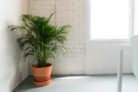
If your Kentia palm isn’t happy with its spot in the house, it might go into “survival mode” and drop leaves it can no longer support. From the get-go, try to find a spot that is bright but stays out of direct sunlight. A “second row” spot away from the window or a bright foyer is usually perfect.
Finding the right spot for your palm is crucial because these plants are slow growers and take a long time to bounce back. Even after you move it to an ideal location, it might take several months before the browning completely stops.
Pests
Unfortunately, the Kentia palm can be a magnet for certain pests. Most of the time, these uninvited guests hitch a ride into your home on new plants. You’ll usually notice the leaves turning yellow first before they eventually go brown.
Keep an eye out for these common culprits:
- Thrips
- Spider mites
- Scale insects
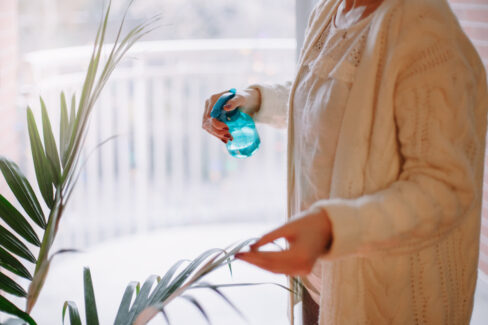
Spider mites are usually a sign that the air is too dry. You can help keep them away by giving your palm a regular misting. Thrips are more stubborn root-dwellers and often signal that the soil or care routine is off. Make sure you’re using peat-free soil and keeping your watering consistent. Scale insects are particularly tough; you’ll often have to manually scrape them off with a small wooden stick.