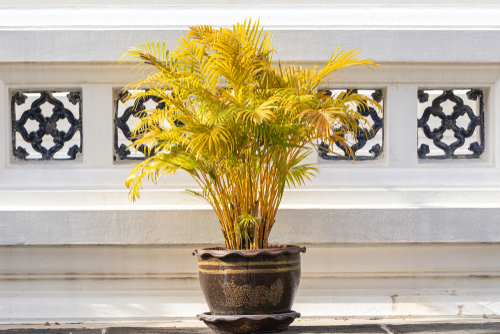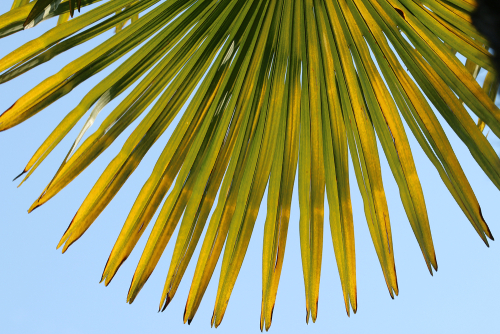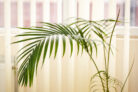
If you’ve noticed your Kentia palm starting to look a little yellow, don’t panic! It’s actually pretty common for these palms to shed an older leaf now and then as part of their natural growth cycle. However, if you’re seeing a lot of yellowing all at once, it’s usually a red flag that something is off with its care or that some uninvited pests have moved in.
Getting the Fertilizer Right
One of the most common culprits for those unsightly yellow fronds is a hiccup in your feeding routine. From spring through fall, your palm is in its active growing phase and needs a snack at least once a month. The secret is all in the ingredients.
Key nutrients to look for:
- Nitrogen
- Potassium
Most good fertilizers also pack in essential trace minerals and iron. The good news? Nutrient deficiencies are usually a quick fix. If you catch it early and adjust your feeding schedule, you can often save those yellowing leaves before they drop off entirely.
Dealing with Spider Mites
Spider mites are the ultimate “dry air” pests. Kentia palms absolutely love high humidity; without it, they don’t just turn yellow—they often develop those dreaded brown tips too.
You might not notice spider mites until they’ve really settled in. Look for fine, messy webbing tucked between the leaves. To kick them to the curb, your best friend is a simple spray bottle. First, boost the ambient humidity by placing bowls of water around the room. Then, give your palm a regular misting with room-temperature, filtered water. These pests hate moisture, so increasing the humidity is often enough to send them packing.
Tackling Scale Insects
Scale can be a bit more of a headache. These tiny pests have a hard, protective shell that acts like a suit of armor against many sprays and home remedies.
If you only spot a few, the easiest fix is to gently scrape them off with a wooden toothpick or popsicle stick. For a bigger infestation, you’ll want to grab a commercial treatment—specifically one that is canola oil-based. Spray the palm thoroughly, making sure to hit the undersides of the leaves where these guys love to hide.
Just a pro tip: give the plant a breather between oil treatments. The oil can sometimes clog the plant’s “pores” (stomata), which makes it hard for the leaves to breathe. Also, be sure to quarantine your palm away from your other green friends while you’re treating it. Scale can be picky about which plants they like, but once they find a home, they’re tough to get rid of!