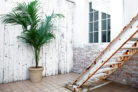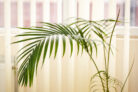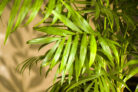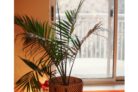
The Kentia palm is a total classic in the world of houseplants, mostly because it’s so easygoing. But even this low-maintenance beauty has its limits—especially when it comes to humidity. If you’re noticing those pesky brown tips on the leaves, low humidity is usually the culprit.
Temperature and Humidity
One of the reasons the Kentia palm is such a favorite for indoor gardening is that it loves the warmth of a cozy home, even in the dead of winter. It really starts to thrive once temperatures hit about 68°F (18°C), and it can handle much warmer spots too.
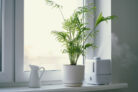
Here’s the golden rule: the warmer the room, the more humidity your palm needs. During the winter, a humidity level of around 78% is usually the sweet spot. Just make sure you don’t park your palm right next to a heater or a vent! To help your Kentia get through the dry winter months without those brown tips, try placing a few open bowls of water nearby to naturally boost the air quality.
Dealing with Brown Tips
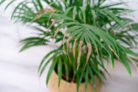
Usually, you’ll just see brown tips rather than the whole leaf changing color. However, if your palm is starting to develop fully brown leaves, it’s time to rethink its location. You’ll also want to double-check that those spots aren’t actually early warning signs of pests or disease.
While brown tips aren’t exactly pretty, the good news is that Kentia palms handle pruning quite well. You can easily trim off the unsightly bits, but here’s a pro tip: don’t cut into the healthy green part of the leaf. If you do, the plant has to use up extra energy to heal the “wound.”
Instead, just snip off the brown part, leaving a tiny sliver (a couple of millimeters) of the brown edge behind. Since these are evergreens, it’s totally normal for them to shed an old leaf here and there as new ones grow in. Eventually, the plant will drop the damaged leaf on its own, so for now, just stick to trimming the tips.
Getting the Watering Right
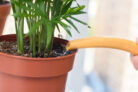
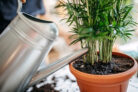
To keep those leaves looking lush and green, consistent watering is key. This doesn’t just mean keeping the soil evenly moist (which they love!); it also means giving the foliage some love.
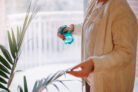
When you water, try to use filtered or “rested” water that’s low in lime. Make sure the water is at room temperature—this is especially important when you’re misting the leaves. I recommend giving your palm a good misting at least once a week. And if the weather is consistently above 68°F, you can even set your palm outside during a light rain for a natural spa day!