Poplar trees are absolutely stunning in a garden setting. With their swaying canopies, they create such a graceful silhouette and provide that perfect, dappled shade during those hot summer months. However, there is a catch: their massive root systems can be a real headache, sometimes feeling like they’re trying to remodel your entire yard from the ground up.
How Poplars Spread
As a “pioneer species,” the poplar is a pro at spreading its territory. It reproduces both generatively through seeds and vegetatively through root suckers and shoots.
Growing from Seed
In early summer, you’ll notice poplar fluff drifting through the air. These little white, cotton-like fibers hide a tiny seed inside. The wind carries this “snow” far and wide, helping the tree find new places to call home.
Shoots and Root Suckers
Poplars send out long root runners horizontally in every direction. They aren’t shy, either—they’ll tear up lawns, lift garden paths, and can even crack through asphalt. To make matters worse, these roots send up tons of little shoots. If you think felling the tree is a quick fix, you’re in for a surprise. Once the main tree is cut down, the roots often go into overdrive, sending up a forest of new shoots in a desperate bid for survival.
How to Manage the Problem
If you don’t want your backyard turning into a private poplar forest, you’ve got to take action. Here are your main options:
- Mowing down the shoots
- Cutting and digging out root runners
- Cutting down the tree and removing the entire root system
Mowing Down Shoots
Those tiny, tender “mini-poplars” popping up in your flower beds or lawn can be handled pretty easily. You can just run them over with the lawnmower or snip them back with garden shears. This keeps the yard looking tidy for a while, but keep in mind—they will grow back.
Cutting the Roots
When root runners start lifting your patio pavers or cracking your walkway, it’s time to get to work. It’s a sweaty, time-consuming job, but you’ll need to dig them out. These side roots are connected to the main taproot and spread in a wide circle around the mother tree. Removing a few of these won’t usually hurt the tree’s health, but it won’t stop new shoots from popping up elsewhere.
Radical Removal
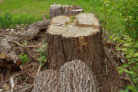
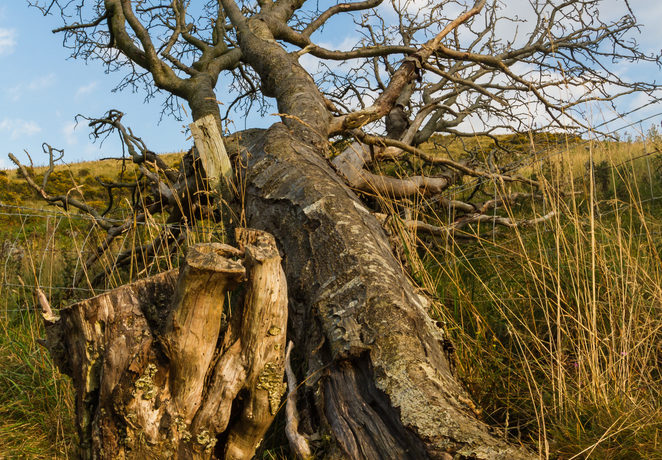
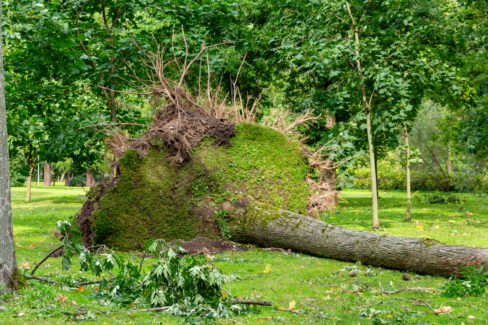
In a smaller garden, a vigorous poplar can eventually crowd out everything else, making removal the only real option. But here’s the kicker: you *must* dig out the stump. If you leave it, the tree enters a “survival mode” and sends up shoots like crazy. Your best bet is to hire a pro with a mini-excavator to grind or pull the stump. Be prepared for some landscaping afterward, though, as those roots likely stretched across your entire property.
Another way to get rid of the stump is to speed up the rotting process. You can use a chainsaw to cut deep notches into the wood and fill them with compost to encourage microorganisms. Some people use a mix of petroleum and saltpeter to burn the stump out—while effective, it’s definitely not the most eco-friendly way to go!