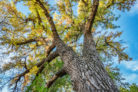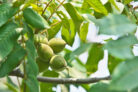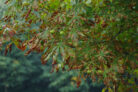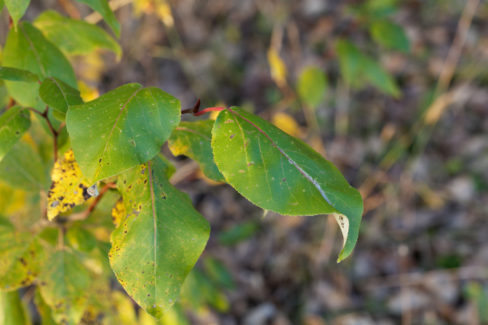
Poplars aren’t exactly your typical backyard trees, but you’ll see them all over parks and public green spaces. Why? Because they grow like crazy! If you need a windbreak or some shade fast, poplars are the go-to choice. However, that speed comes with a downside: almost every year, both young and old poplars seem to run into some health issues.
Common Poplar Diseases
For the most part, when a poplar gets sick, you’re looking at a fungal infection. The “Big Three” you’ll likely run into are:
- Bark Canker (Dothichiza)
- Poplar Rust
- Shoot Blight
Bark Canker
This one is caused by a fungus called *Cryptodiaporthe populea*. It sneaks in through cracks in the bark, and before you know it, you’ll see small, round fruiting bodies popping up on dead one-year-old twigs. The bark itself will show brownish, oval-shaped lesions (necrotic spots). After a while, you’ll notice “dieback” at the very top of the tree—branches and even large limbs in the crown start dying off. To fight this, you’ve got to prune out and remove all the infected parts.
Bark canker mostly targets Black Poplars and Aspens, while Silver and Grey Poplars are a bit more resilient. If you’re thinking about planting one in your yard, I’d recommend going with a Balsam Poplar since they aren’t as sensitive. Also, to keep them growing strong, make sure they get plenty of water!
Poplar Rust
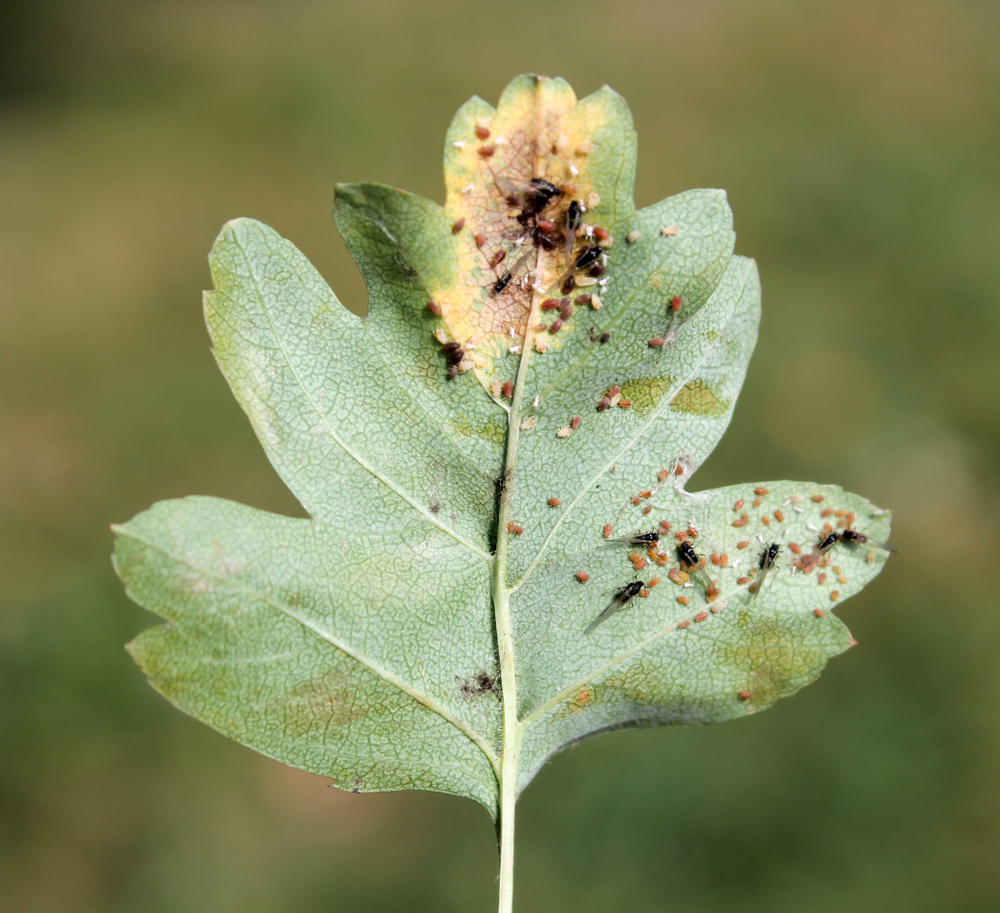
This is another fungal headache. The culprit here is *Melampsora populina*. This fungus actually spends its winters on “alternate hosts” like larches or certain weeds before jumping over to the poplar leaves. You’ll see tiny, yellowish spores clustering together on both sides of the leaves. Eventually, the leaves discolor and drop early. Getting rid of rust is tricky because the fungus can survive mild winters right on the fallen leaves. Your best bet for prevention is to rake up and dispose of all autumn leaves. If you can identify the nearby host plant (like a neighboring larch), removing it might be the only way to save your poplar in the long run.
Shoot Blight
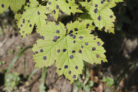
Caused by various *Venturia* species, this disease shows up on the leaves first. You’ll spot brown spots, followed by the young leaves shriveling up and falling off. If the fungus makes its way into the wood, the twigs will turn dark and hook downward (it almost looks like a shepherd’s crook). Since the fungus overwinters in the infected plant parts, you need to be aggressive with pruning. Make sure to toss those clippings and fallen leaves in the trash—never put them in your compost pile, or you’ll just be helping the fungus spread!