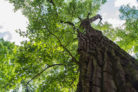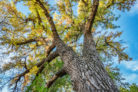
Poplars can live for a surprisingly long time, but eventually, there comes a day when they have to come down. Usually, it’s due to disease, but sometimes these giants can become a safety hazard to people or property, making removal the only real option.
Why You Might Need to Cut Down a Poplar
There are a few common reasons why a poplar might need to be removed:
- Disease or fungal infections
- Risk of the tree falling over
- Major landscaping or construction projects
- Invasive root suckers causing damage
Disease and Pests
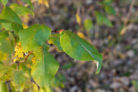
Poplars are unfortunately pretty prone to fungal diseases. If you catch it early on a young tree, you might be able to save it with some strategic pruning. However, once a poplar gets big, its height makes professional pruning difficult and expensive. If you notice more and more branches dying off, the tree is becoming a hazard and likely needs to be removed.
Falling Hazards
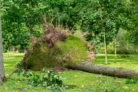
Old poplars are notorious for coming down during big storms. Because they are shallow-rooted, they sometimes lose their “grip” on the soil as they age. It’s always better to take a tree down safely than to wait for it to crash onto a roof. That said, before you take such a drastic step, it’s a good idea to call in a certified arborist. Even an old tree can be surprisingly sturdy!
Landscaping and Construction
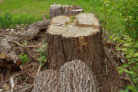
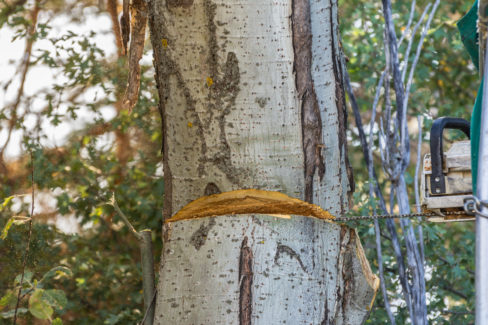
If you’re planning a major backyard makeover or building a new addition, sometimes a tree is just in the way. Just keep in mind that depending on where you live, you might need a permit from your local city or county office before you start the chainsaw. One pro tip: if you cut down a poplar, don’t just leave the stump. They are famous for sending up dozens of new shoots, so it’s best to grind or dig out the root ball entirely.
Dealing with Suckers
Poplars love to spread via root suckers, which can pop up all over your lawn. If you’re tired of constantly mowing over or digging up these little invaders, removing the parent tree (and its roots) is often the only permanent solution. Leaving a stump behind actually triggers vegetative reproduction, meaning the tree will go into overdrive trying to grow back from the roots.
When Is the Best Time to Cut Down a Tree?
In many areas, there are local ordinances and wildlife protection laws that dictate when you can remove a tree. Generally, it’s best to avoid felling trees during the spring and summer (March through September) to protect nesting birds. Starting in October, things usually open up, but you should still check your local regulations. You might even be required to plant a replacement tree elsewhere on your property.
Of course, if a tree is an immediate danger to the public or your neighbors, it needs to be dealt with right away. As a homeowner, you could be held liable if a dead tree falls and causes damage. If you have a large poplar near a sidewalk or power line, your best bet is to have a pro check it out regularly to stay ahead of any potential issues.