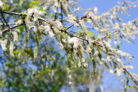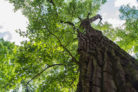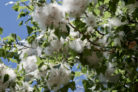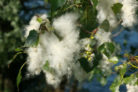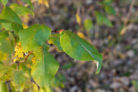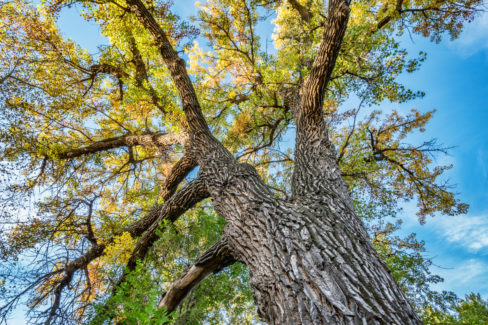
You’ve probably spotted them while out for a drive or strolling through the local park—those tall, sturdy trees with deeply fissured bark and graceful, swaying canopies. Because they grow at lightning speed, they’re a go-to choice for lining roadsides and filling out public green spaces.
The Tree with Turbo Growth
If you’re looking for a hardwood tree that doesn’t waste any time, the poplar is your best bet. These trees can shoot up by as much as three feet in a single year! That incredible pace makes them perfect for natural property borders or adding some quick greenery to streetscapes. This rapid vertical growth is exactly what gives the poplar its signature “swaying” look, further enhanced by its wide-reaching crown and long-stemmed leaves.
Poplar wood is also known for being impressively flexible yet resilient. Because of this, they are often grown in “short-rotation coppices.” Essentially, these are specialized plantations where fast-growing trees are harvested quickly to provide a steady supply of renewable raw materials. You’ll find poplar wood used in all sorts of things, including:
- Wood chips
- Wood pellets
- Veneer for plywood and packaging
- Matches
- Paper pulp
- Fiberboard and particleboard
- Interior construction
What a Healthy Poplar Looks Like
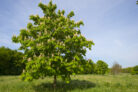
The most iconic feature of a poplar is its massive, rhythmic crown. Depending on the specific variety, these trees can reach a final height of anywhere from 50 to 150 feet. They generally grow straight up, with the branches only starting to spread out near the top. One thing to keep in mind: they are shallow-rooted and are famous for aggressive root suckers that are strong enough to crack through asphalt. These runners are the tree’s way of reproducing vegetatively, often resulting in a small forest of saplings popping up around the main trunk.
Finding the Right Spot
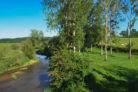
To help a poplar reach its full potential, you’ve got to put it in the right place. These trees love the sun, though they can handle light partial shade. Ideally, the soil should be rich in nutrients, but they aren’t too picky and can tolerate poorer ground. This makes the poplar an excellent “pioneer plant,” provided there is plenty of moisture available. They are especially happy planted near the banks of streams or ponds.
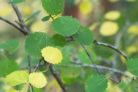
When picking a spot in your yard, don’t just look at the light and soil. You have to account for those aggressive root runners, which can crowd out other plants and are a real pain to manage once they take hold. Plus, the massive canopy of some species is just too much for a small or medium-sized garden. If you’re short on space but love the look, I’d recommend looking into the Columnar Poplar or the stunning Quaking Aspen. The Aspen’s long-stemmed leaves “tremble” and rustle beautifully at even the slightest hint of a breeze.