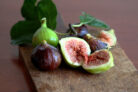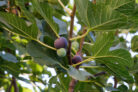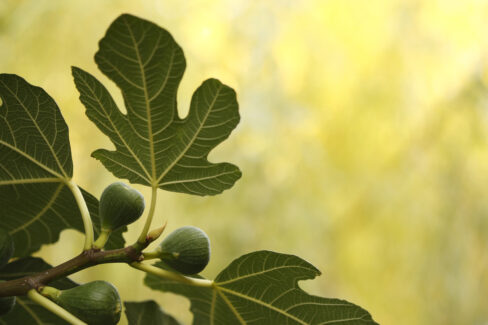
Getting your fig tree to wake up early in the spring usually means a much bigger harvest later on. The thing is, figs can be a little “lazy” and take their sweet time starting to grow. If you want to get a head start on those delicious fruits, it’s definitely worth a little extra effort to encourage an early bud break.
Winter Protection
Whether your fig is planted in the ground or spending the winter in a pot outside, solid winter protection is key to an early start. Most figs are only moderately hardy. Unless you live in a very mild climate (like a wine-growing region), you shouldn’t leave your tree to face the elements unprotected.
In colder areas, frost can cause some serious damage. While the tree might not die completely, it often dies back to the ground and has to start all over again in the spring. That takes a ton of energy! Instead of putting that power into making fruit, the plant has to waste it just trying to regrow its branches.
Pruning Tips
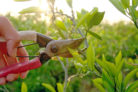
While pruning your fig tree encourages new growth, keep in mind that it mostly affects your harvest for the *following* year. Figs typically produce fruit on wood that is at least two years old. When you’re pruning, try not to hack too far back into the old wood; just trim enough to stimulate some fresh new shoots.
Sometimes, you’ll notice “winter figs” forming on one-year-old wood late in the season. In most US climates, these little guys won’t make it through the winter and will just freeze and drop off. However, if you have a potted fig that you move into a frost-free spot for the winter, those late-season fruits might actually have a chance to ripen up for you!
Repotting Potted Figs
Since they don’t get massive, growing figs in containers is a great option. To make sure your potted trees have a strong start in the spring, you should get into a regular repotting routine. Figs are pretty low-maintenance, but giving them fresh, nutrient-rich soil every year makes a huge difference in how lush they grow and how much fruit they produce.
How to repot your fig:
- Carefully lift the fig out of its current pot.
- Shake off the old, tired soil.
- Check the roots for any damage, pests, or signs of disease.
- Trim away any dead or mushy roots.
- Pick a new pot that is at least twice the size of the root ball.
- Add about an inch of clay pebbles or gravel at the bottom for drainage.
- Fill with fresh potting mix.
- Plant your fig at the same depth it was before.
- Give it a good (but moderate) watering.
If your tree is on the taller side, it’s a good idea to give it a stake for extra support after repotting.