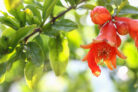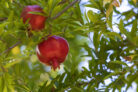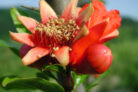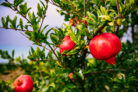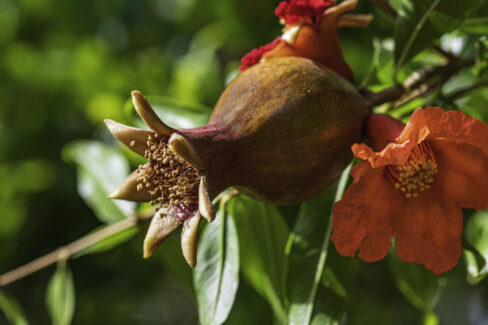
Pomegranate blossoms are absolute showstoppers in any garden. But if you want your tree to actually produce those gorgeous flowers (and eventually some tasty fruit), getting the care routine just right is key. If your pomegranate is being a bit shy about blooming, don’t worry—most of the time, it’s a quick fix.
Bloom Time
Depending on where you live, pomegranate blooms usually start popping up in late spring or early summer and can keep going right through the heat of midsummer. These trees are total sun-worshippers! If you’re growing yours in a pot and have a warm sunroom or greenhouse to move it into during early spring, you might even get a head start on the flowering season.
While classic pomegranate flowers are a vibrant red, you can now find ornamental varieties with yellow, pink, or orange blossoms. Even though these are often sold as “ornamental,” they can still grow edible fruit—just keep in mind the fruit will usually be much smaller than the varieties specifically bred for harvesting.
Watering Habits
One of the biggest reasons a pomegranate refuses to bloom is simply not getting enough water. Since many of us grow pomegranates in containers to make it easier to move them indoors for the winter, they tend to dry out much faster than they would in the ground.
Once spring hits and your tree wakes up from its winter nap, start increasing your watering. As soon as you see the first flower buds forming, you’ll want to give it a good soak at least once a week. The goal is to keep the soil consistently moist, but never soggy—pomegranates hate “wet feet.” If you’re using a large planter, a simple moisture meter is a lifesaver to make sure you aren’t accidentally letting the roots go bone-dry.
A quick pro-tip: while pomegranates are okay with a little lime in the water, they really prefer water that’s at room temperature. I like to fill my watering can a few hours ahead of time and let it sit right next to the pot so it warms up before I give the tree a drink.
Feeding and Fertilizing
If your tree looks healthy but isn’t blooming, it might just be hungry. In early spring—a few weeks before you expect to see flowers—mix some slow-release fertilizer into the soil. If your tree is in a pot and digging around the roots is tricky, fertilizer spikes are a great, mess-free alternative.
Once those first blossoms start to appear, give your pomegranate a little extra boost with a liquid fertilizer once a week. That extra shot of nutrients gives the tree the energy it needs to turn those flowers into fruit!