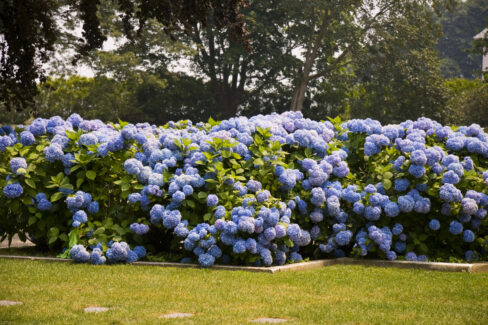
Hydrangeas are some of the best low-maintenance plants out there, rewarding you with a massive explosion of blooms every season. If you’re looking to create a flowering hedge or just want some serious height in your garden, choosing the right variety is key. Here’s the scoop on which hydrangeas grow the tallest and what you need to know to keep them happy.
The Sky-High Climbing Hydrangea
The botanical name for these beauties is *Hydrangea*, and there are tons of varieties to choose from. But if you’re looking for something that truly reaches for the stars, the Climbing Hydrangea is your best bet. It loves to scale fences and walls, and unlike ivy, it isn’t aggressive—it won’t damage your brickwork or siding as it climbs.
To make sure your hydrangea reaches its full potential, you’ll want to plant it in the right spot. Luckily, these plants aren’t too picky! They thrive in shady or partially shaded locations. Just make sure the soil is rich in nutrients so the plant has plenty of fuel to grow. Keep the area well-watered, but be careful not to let the roots sit in soggy, standing water.
Here’s what you can expect from a Climbing Hydrangea:
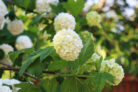
- A sea of white blossoms starting in June
- A lovely, sweet fragrance
- Lush, vibrant green foliage
How to Manage the Size
If your hydrangea starts getting a little *too* enthusiastic, don’t worry—you’re in the driver’s seat. You can easily prune the shrub back to whatever size fits your space. If you time your cuts right, the plant will bounce back beautifully in the spring. Just a heads-up: if you do a heavy pruning, your blooms might be a little delayed the following year since you’re cutting away the spots where the buds form.
You don’t have to go all-in, though. You can trim back just a portion of the plant to keep the height in check without losing all those gorgeous flowers. Pruning is also a great way to “rejuvenate” an older plant. After a good trim, the hydrangea will return to its natural growth pattern, combining an impressive size with a fresh, healthy look.