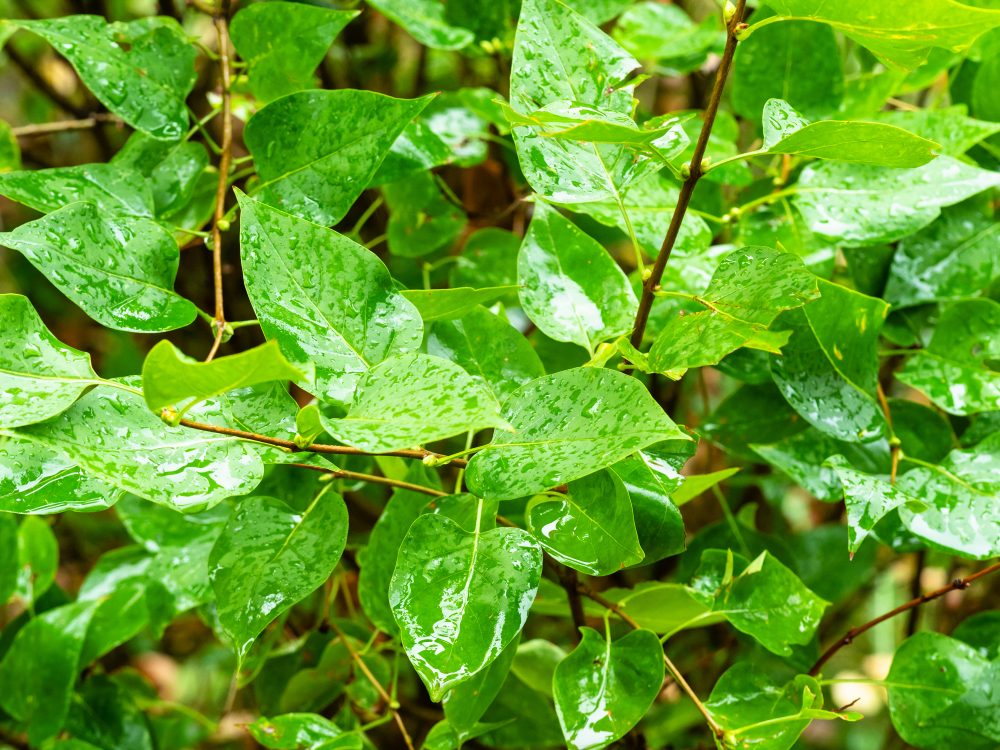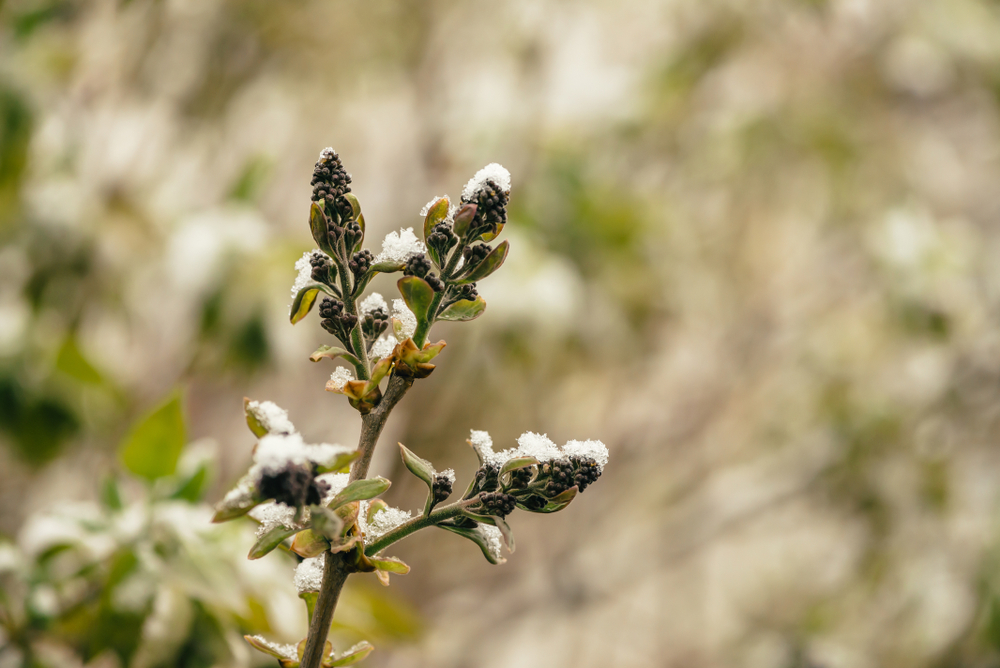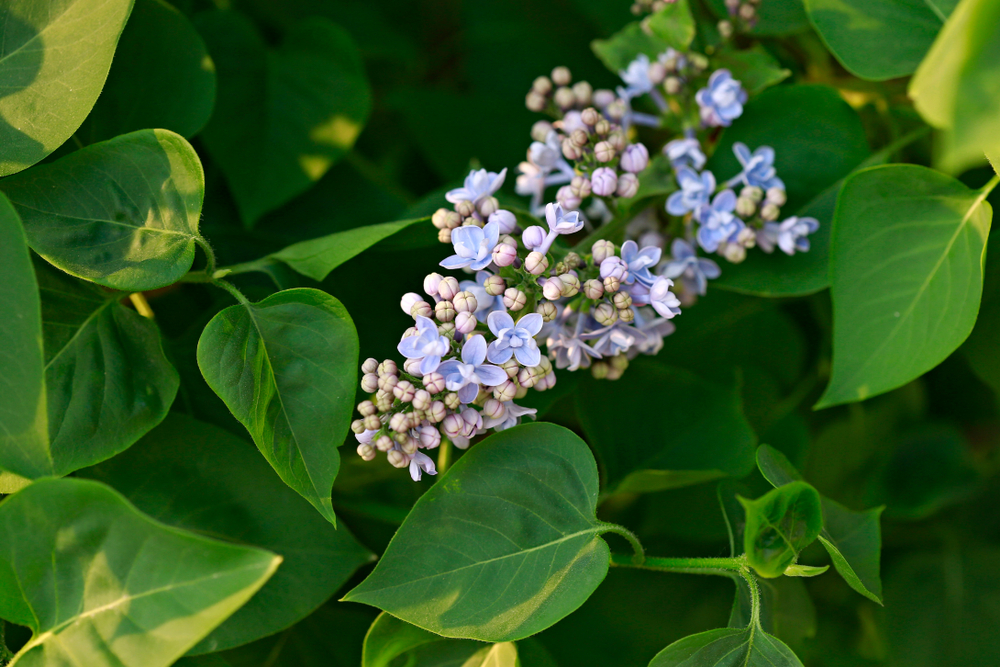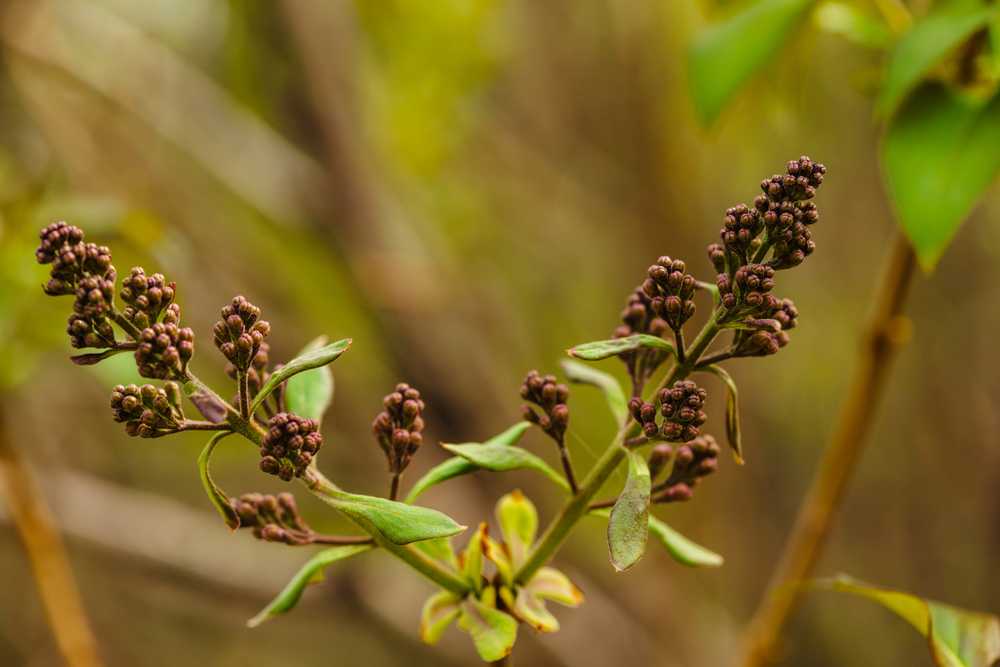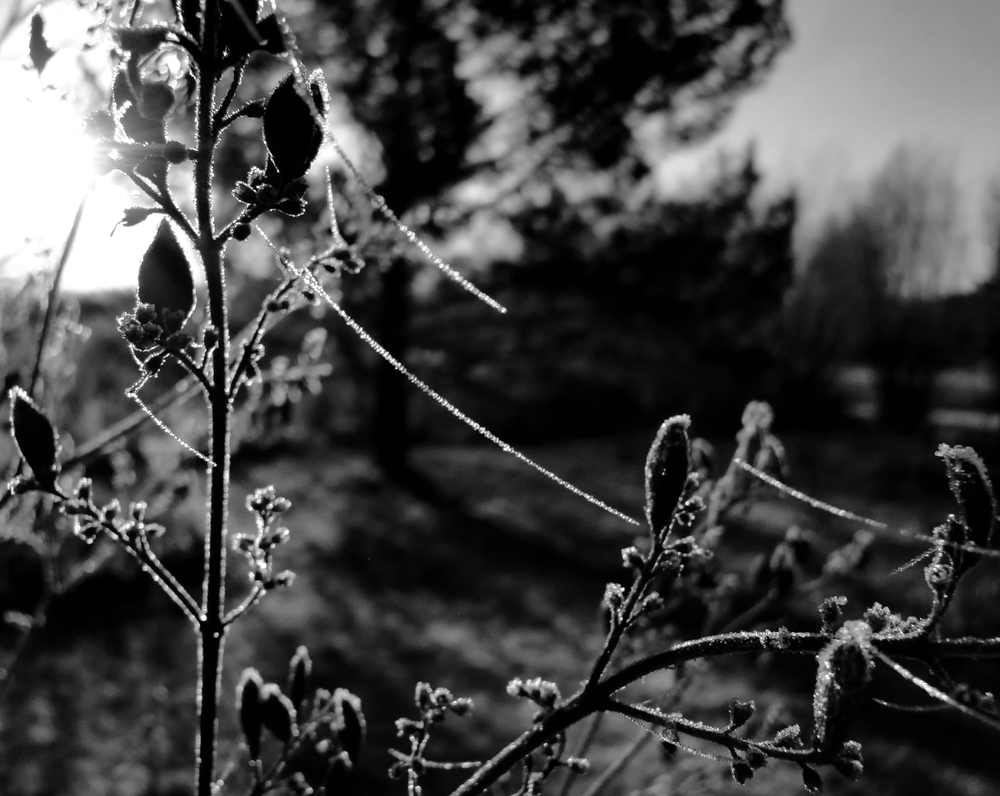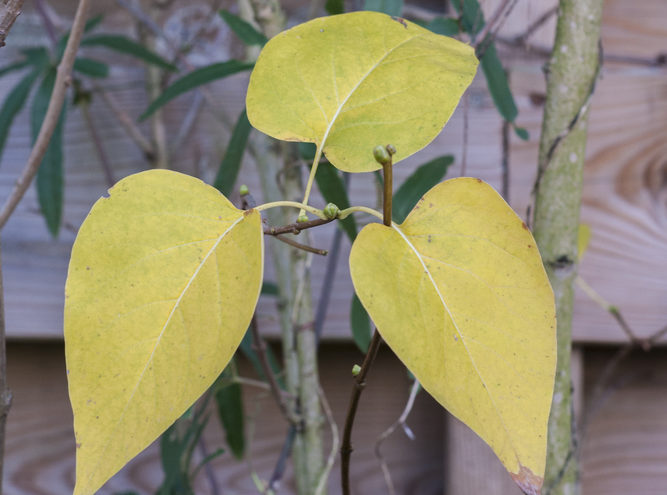
If you’ve noticed your lilac bush starting to drop its leaves, don’t panic just yet! Since lilacs are deciduous shrubs, losing their foliage in the fall is totally natural. As the weather cools down in late autumn, the plant simply gets ready for its winter nap.
Fall leaf drop is normal, but summer shedding is a red flag
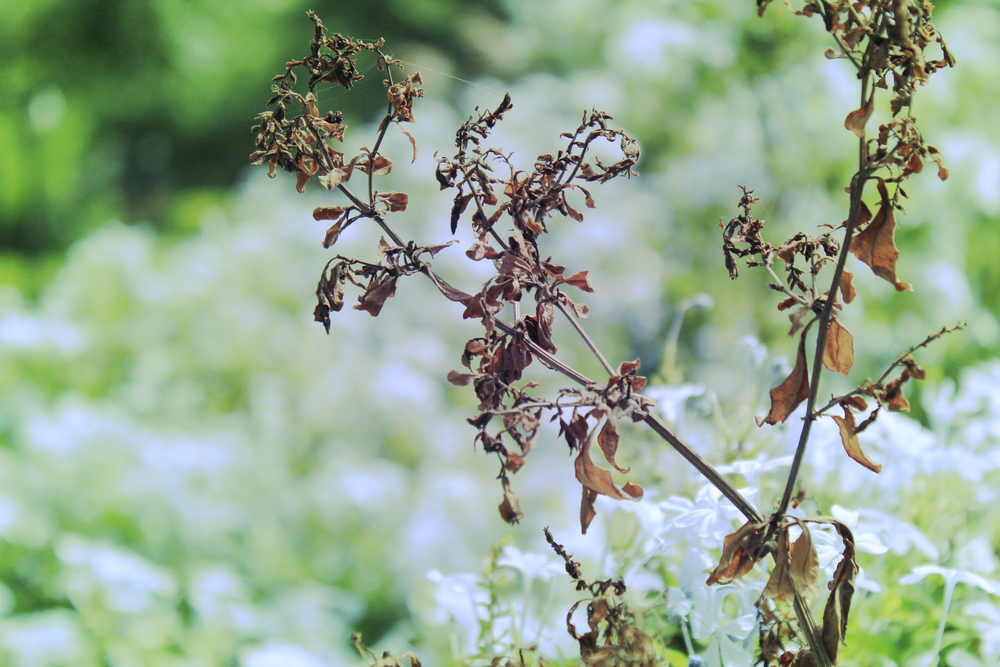
If your lilac starts losing leaves in the middle of summer, you’ve likely got a real problem on your hands. This isn’t just a seasonal change. One common culprit is dehydration. Even though lilacs actually prefer soil that’s a bit on the dry and sandy side, they can’t survive on zero water. During long dry spells, the leaves will be the first to tell you they’re thirsty. At first, you’ll see the leaves drooping or wilting, and if they don’t get a drink soon, they’ll fall right off.
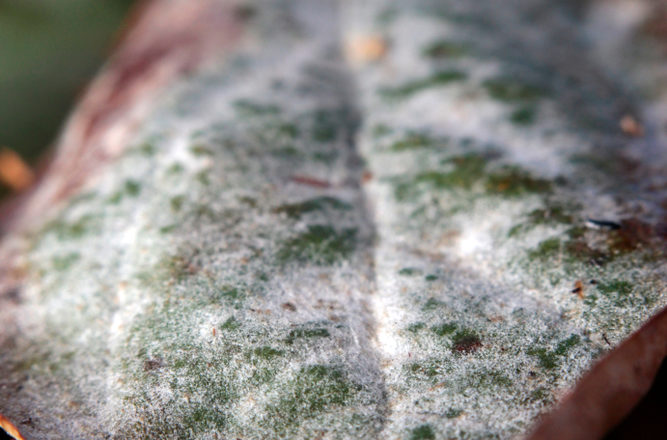
The fix here is obvious: give your plant a good soak. However, a pro-tip: avoid getting water on the leaves themselves, even if it feels like you’re helping them “cool off.” Wet foliage is an open invitation for powdery mildew. Always aim your hose at the base of the plant to water the roots directly.
Just be careful not to overdo it! Too much love can lead to standing water, which causes root rot. When roots rot, they can’t transport nutrients or moisture up to the rest of the plant. Ironically, your lilac will look like it’s dying of thirst even though it’s sitting in a puddle. If this happens, you have to act fast. Dig it up, prune it back significantly, and move it to a drier spot with better drainage. If the rot has spread too far, though, it might be too late to save it.
Keep an eye out for pests and diseases
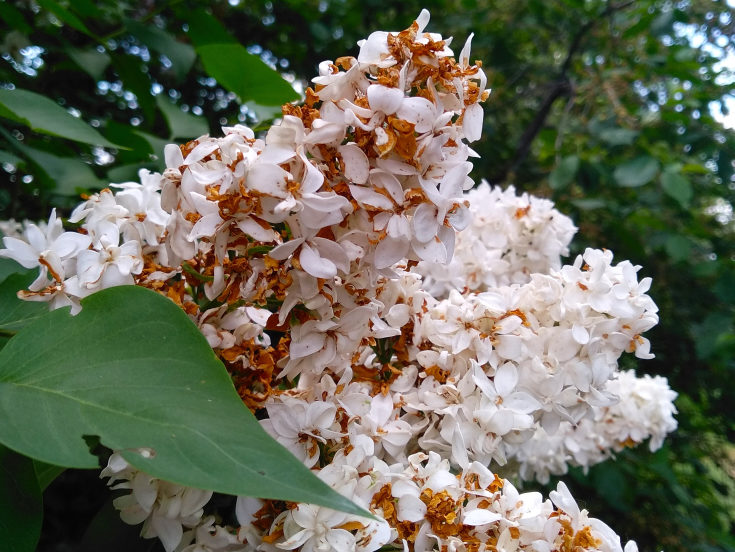
If you see the leaves changing color (yellow or brown) before they fall, take note. This is usually a sign of a deeper issue like pests or disease. Brown spots are often a symptom of a fungal infection, but more serious issues like lilac blight or Verticillium wilt could also be the reason for the leaf loss.
If you suspect a disease, your best bet is to prune the lilac back until you hit healthy wood. Make sure to pick up every single leaf and twig that falls on the ground while you’re working. To prevent the infection from spreading to the rest of your garden, toss those clippings in the trash—never the compost pile! Also, don’t forget to disinfect your pruning shears with rubbing alcohol immediately after you’re done.
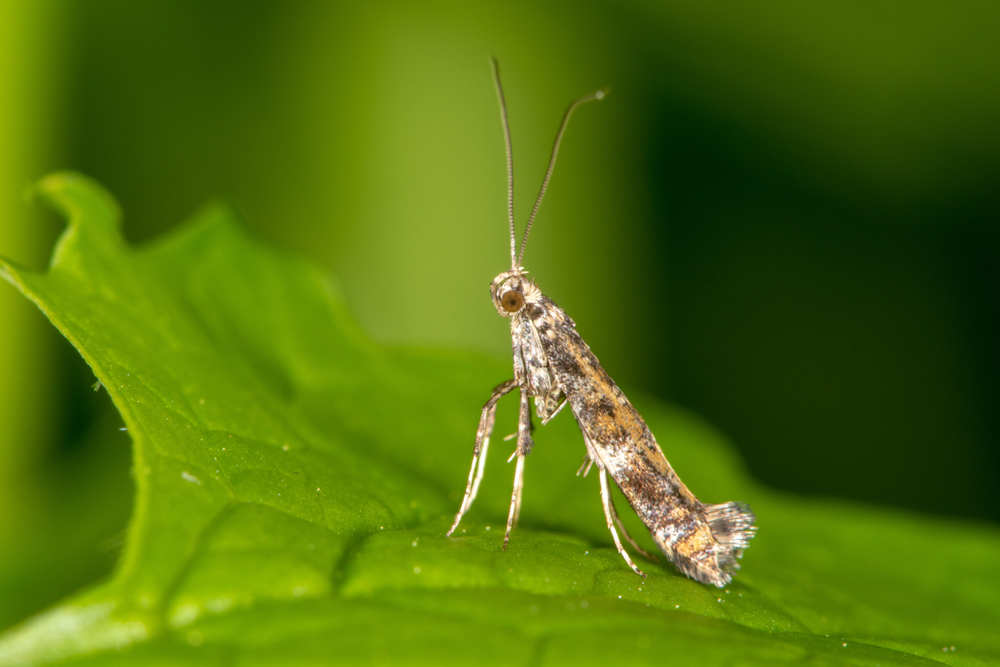
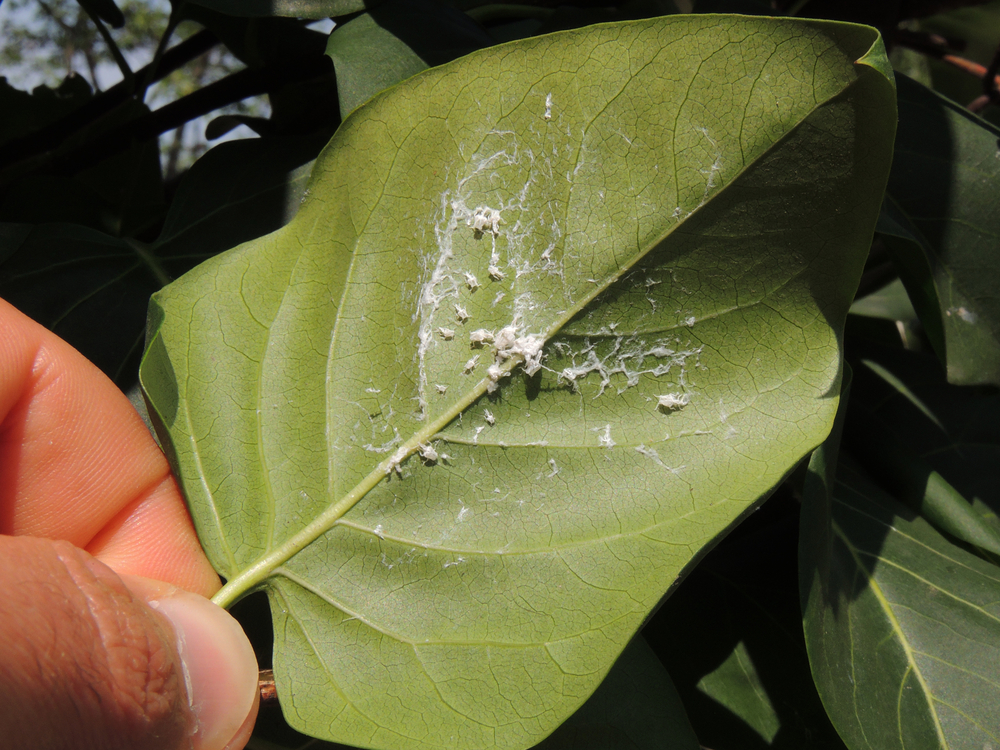
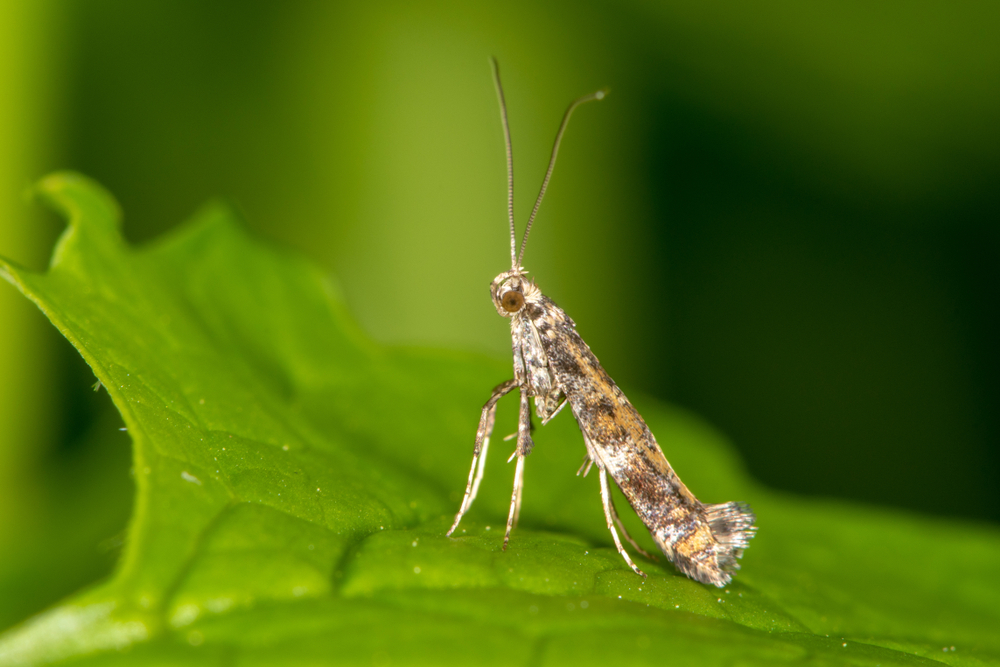
Finally, keep an eye out for the lilac leafminer. This little pest snacks on the foliage, causing brown blotches at first. Eventually, the leaves will curl up, dry out, and drop. A quick treatment with neem oil before the next growing season usually does the trick to keep these guys at bay.