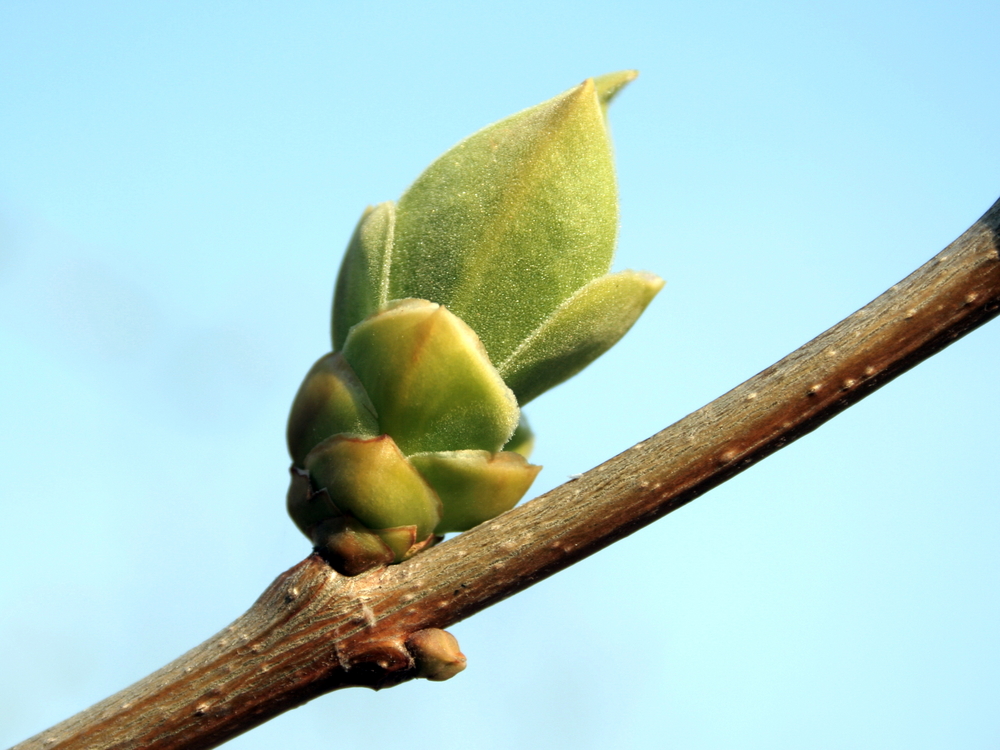
If you’re dreaming of those fragrant purple blooms, here’s a pro tip: Lilacs actually start setting their buds for next year almost as soon as they finish blooming this season. This is the most important thing to keep in mind when it comes to pruning. If you time your trim wrong, you’ll accidentally snip off next year’s flower show before it even starts!
Everything You Need to Know About Lilac Buds
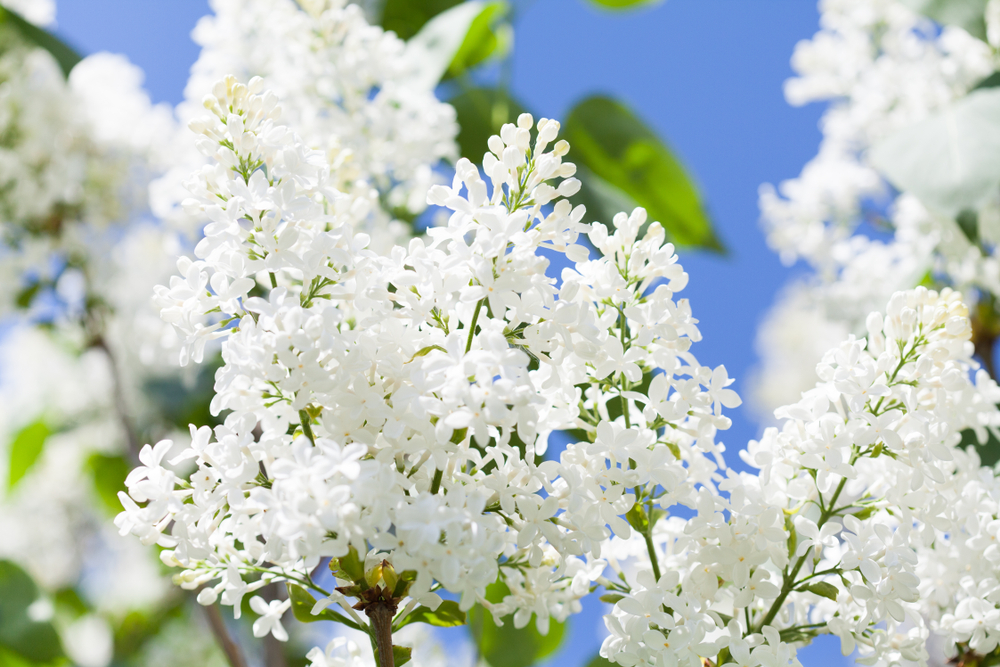
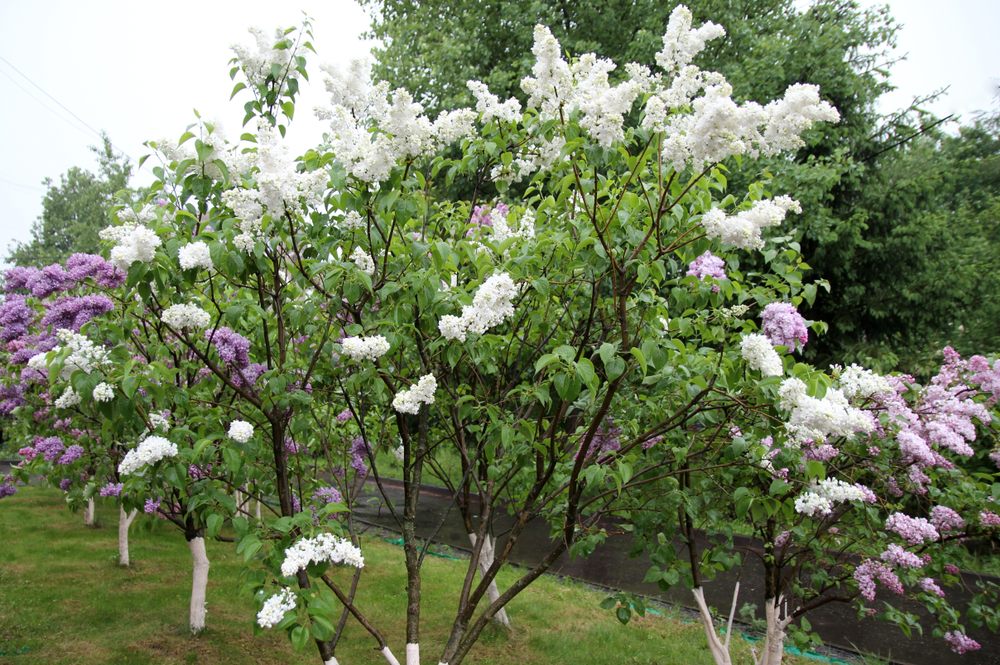
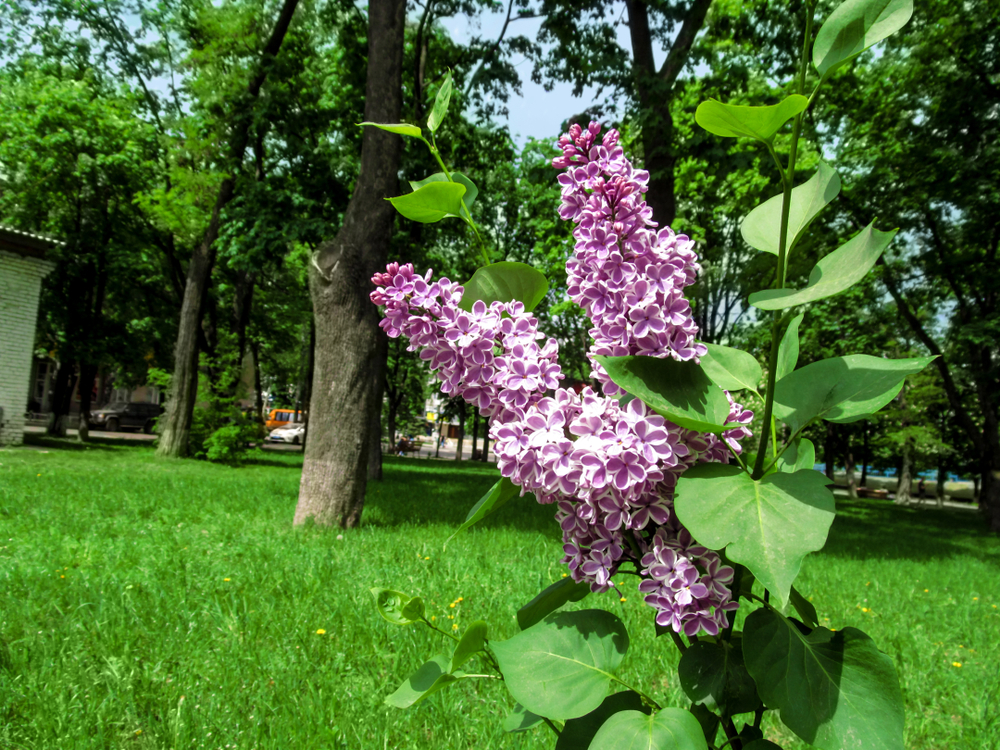
Lilac buds are small and round, eventually opening up in May and June into those iconic, heavy clusters of flowers we all love. Depending on the variety, they can range from a crisp, bright white to soft pink or a deep, moody violet. And let’s not forget that scent—it’s incredibly strong, sweet, and basically the official smell of spring. Once the flowers fade in the summer, the plant starts putting its energy into developing seed pods.
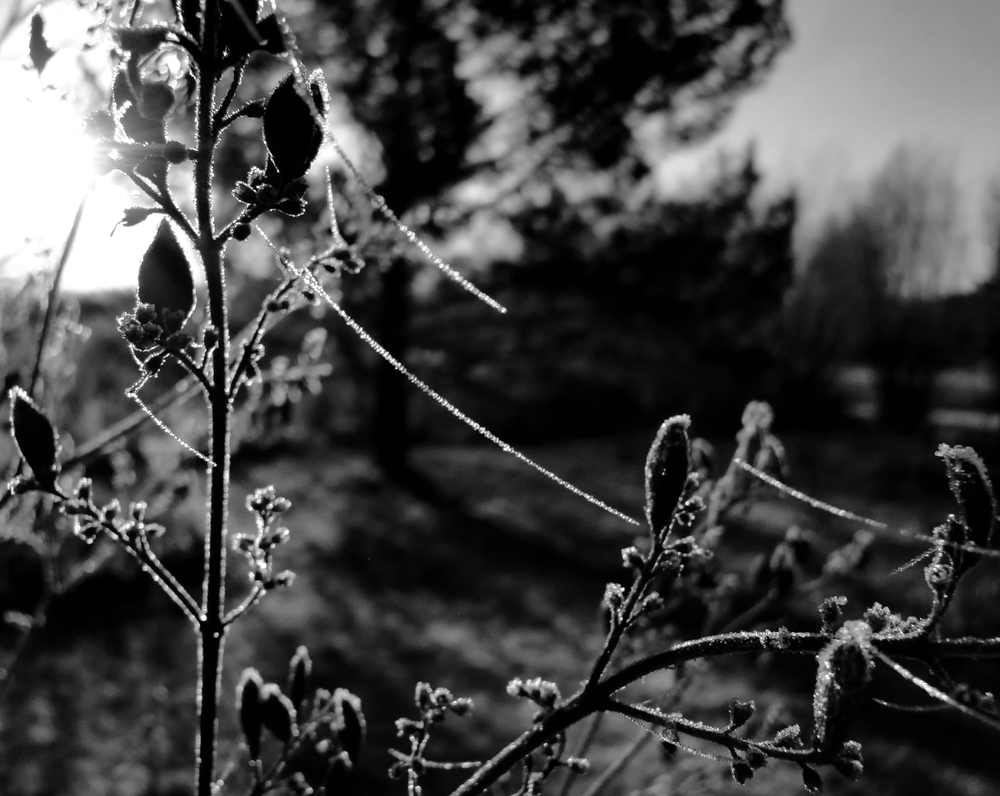
One of the biggest threats to your lilac buds is a late spring frost. Since the buds are just starting to wake up and open during this time, a sudden freeze can damage them, meaning you’ll have a disappointing blooming season (or no flowers at all). If the forecast predicts a cold snap, it’s a good idea to protect your shrub by covering the buds with some garden fleece or burlap.
Be Careful with Those Pruning Shears
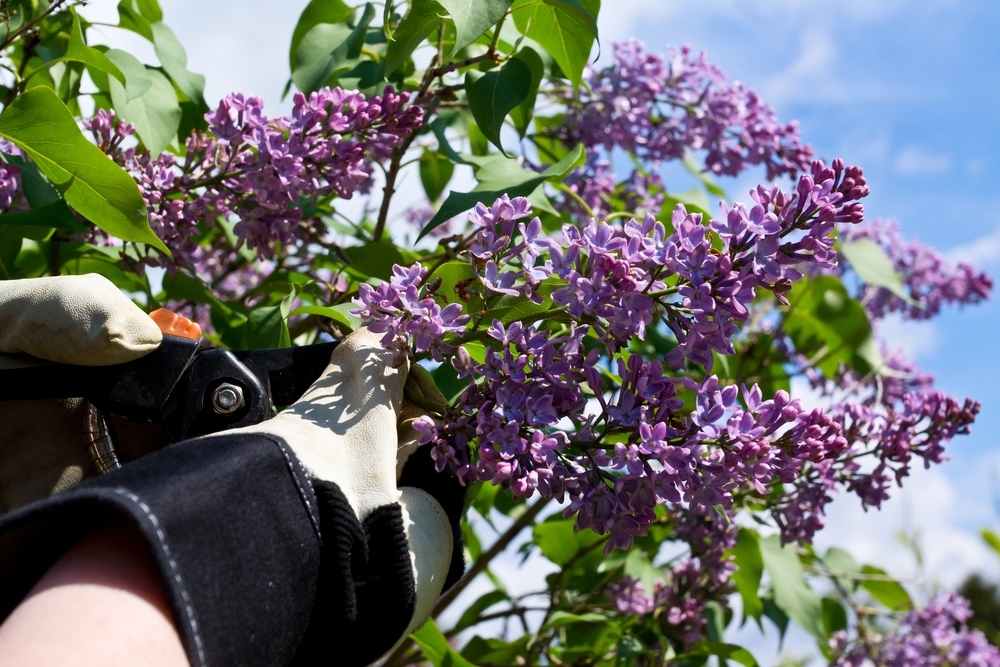
Pruning at the wrong time is the number one reason lilacs fail to bloom. To keep your shrub happy, you should only prune your lilac immediately after the flowers fade. Because the plant starts developing next year’s buds right after it finishes blooming, waiting too long into the summer or fall means you’ll be cutting off next year’s potential. Also, keep an eye on your fertilizer; over-fertilizing can actually lead to lots of green leaves but very few (or zero) flower buds.
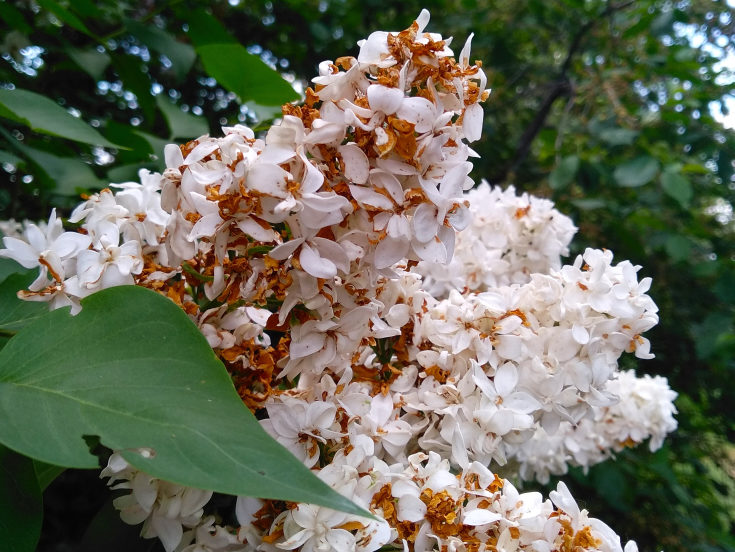
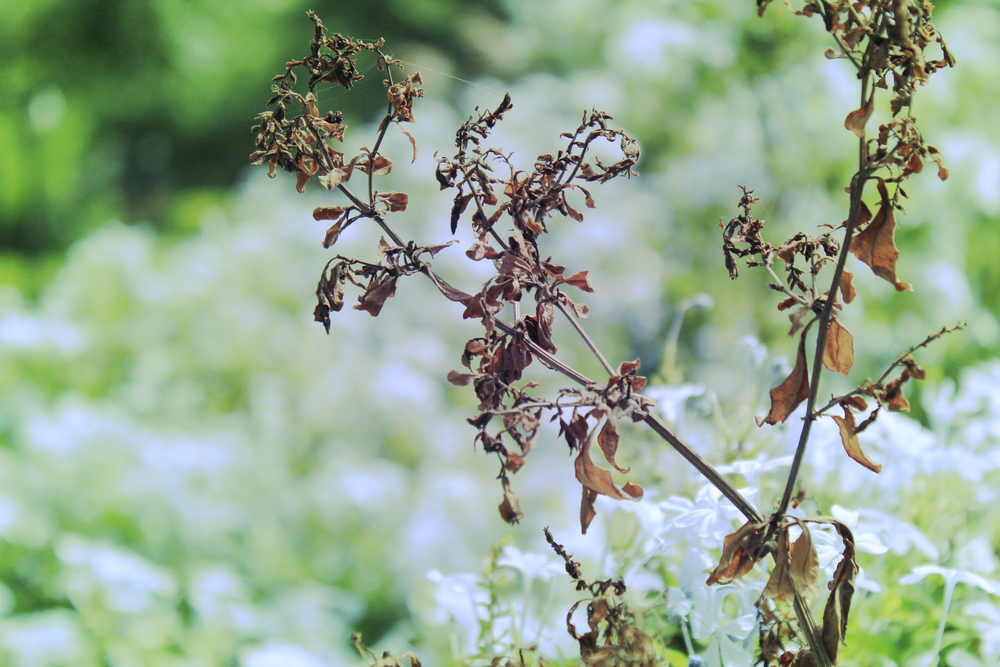
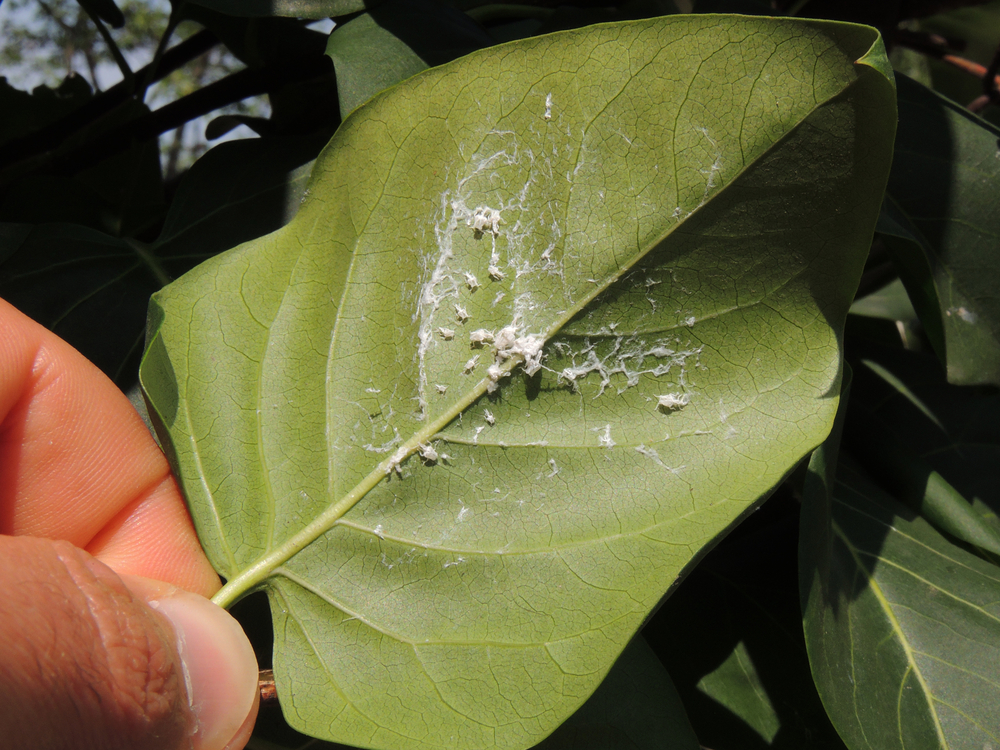
Another thing to watch out for is fungal infections. Lilacs can be a bit sensitive to these. If you notice your shrub suddenly looks wilted or the buds just refuse to open, you might be dealing with a fungus.
If you spot a problem, you’ve got to act fast. Prune the affected branches back until you hit healthy wood. For a mild case, you can try an organic approach like horsetail tea (a natural fungicide) to spray down the plant. If the fungus has really taken hold, it’s best to head to your local garden center to pick up a stronger fungicide. Just remember: always disinfect your garden tools afterward and toss any diseased clippings in the trash—never the compost pile!