Wildflowers are every bit as stunning as the fancy cultivars we see in garden centers, and honestly, they’re often much better for our local pollinators. While some highly bred plants don’t offer much to bees and butterflies, these meadow beauties are like an all-you-can-eat buffet for them. Let’s take a look at nine of the most popular meadow flowers, plus one of my personal favorites you won’t want to miss.
[[pflanzen]]
++Cowslip (Primula veris)
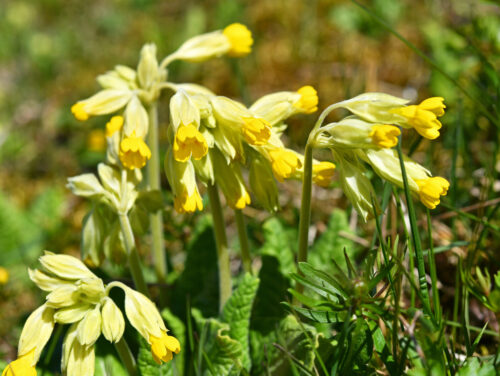
These cheerful, yellow tube-shaped flowers are often the first sign of spring, sometimes popping up as early as February! You’ll usually spot the Cowslip in meadows, along the edges of forests, or tucked under light brush. A pro tip for identifying the “true” Cowslip: look for the tiny orange spots inside the throat of each bloom. They grow in a low rosette of soft, wavy, slightly fuzzy leaves and usually reach about 6 to 10 inches tall.
++Chamomile (Matricaria chamomilla)
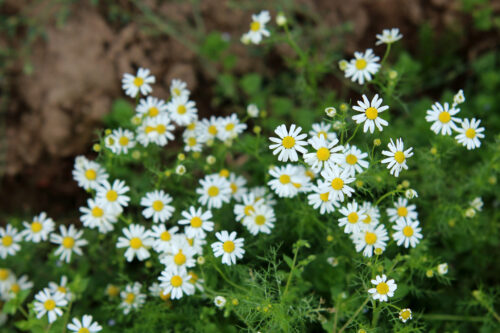
German Chamomile isn’t just a pretty face; it’s a powerhouse medicinal herb. It grows as a loose, herbaceous plant and has a very distinct, apple-like scent if you rub the leaves or flowers. You can tell it’s the real deal by the hollow, cone-shaped yellow center surrounded by a ring of white petals. Fun fact: after insects pollinate them, those white petals actually start to droop downward.
++Cornflower (Centaurea cyanus)
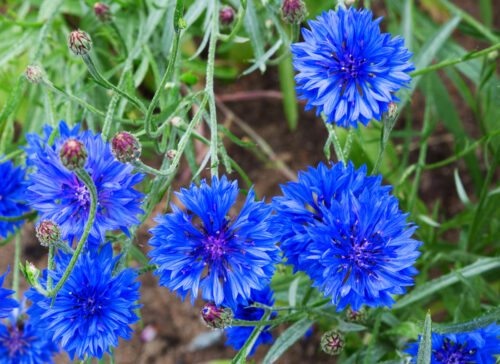
That unmistakable “cornflower blue” used to paint entire landscapes back in the day. These flowers feature round, flat heads made of many tiny florets sitting on long stems with narrow, lance-shaped leaves. They bloom from June all the way through October, making them a reliable favorite for bees and butterflies looking for a nectar snack.
++Oxeye Daisy (Leucanthemum vulgare)
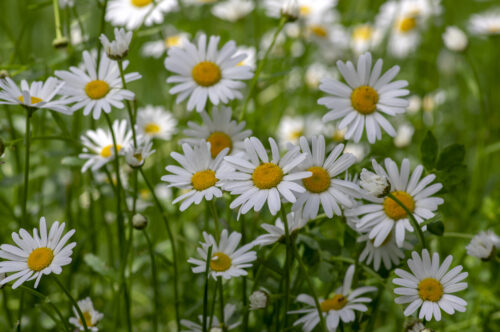
Is it even a wildflower meadow if there aren’t any daisies? The Oxeye Daisy is a classic. Each flower head is actually a community of over 200 tiny yellow florets in the center, ringed by bright white petals. They stand tall on stems ranging from 20 to 40 inches. These are tough plants that love sunny spots and well-draining soil that isn’t too rich in nitrogen.
++Spreading Bellflower (Campanula patula)
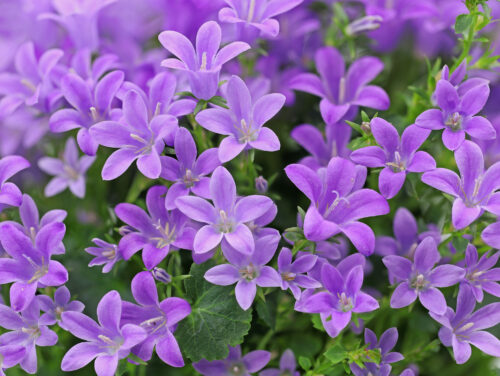
This sun-loving beauty blooms from May to August with delicate, violet-blue bells. These flowers are pretty smart—they stand upright and face the sun when it’s dry, but they hang their heads at night or when it rains to keep their pollen from getting soggy. Bellflowers are packed with nectar, so expect to see a constant parade of bees around them.
++Narrowleaf Plantain (Plantago lanceolata)
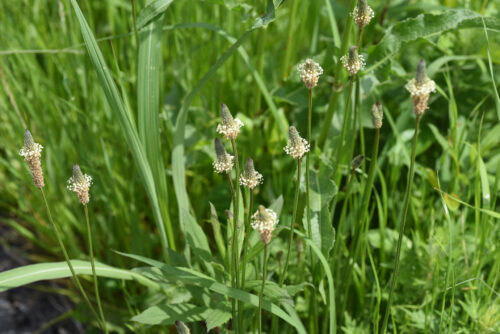
Narrowleaf Plantain might look humble with its brownish flower spikes, but it’s a superstar in the herbal world. You’ll recognize it by its long, slender leaves with five distinct veins running down them. While the flowers aren’t flashy, this plant is incredibly important for wildlife—it’s a primary food source for the caterpillars of several endangered butterfly species.
++Autumn Crocus (Colchicum autumnale)
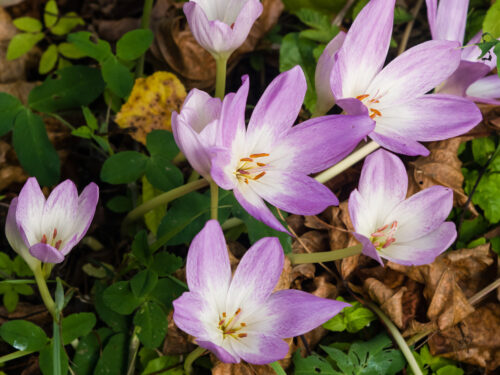
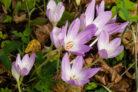
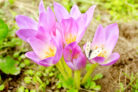
The Autumn Crocus is a bit of a rebel—its flowers and leaves never appear at the same time. You’ll see the pale lilac blossoms pop up between August and October. The leaves don’t show up until the following spring. A word of caution: the leaves look a lot like wild garlic (ramps), but they are highly toxic. Never eat these, and be careful if you’re foraging nearby!
++Yarrow (Achillea millefolium)
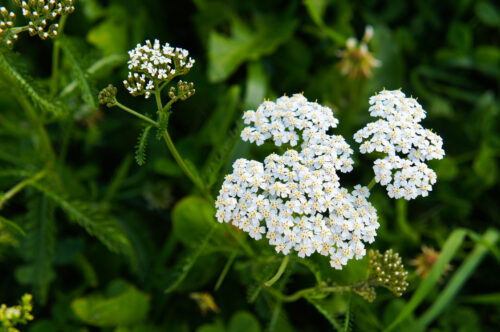
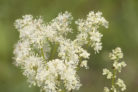
Yarrow is a staple of dry meadows and roadsides. It’s easy to spot thanks to its flat-topped clusters of white or pinkish flowers and its feathery, fern-like leaves. It has a wonderful, spicy-aromatic scent and is a magnet for pollinators. If you want a “busy” garden, plant some yarrow; the insects won’t leave it alone!
++Dandelion (Taraxacum officinale)
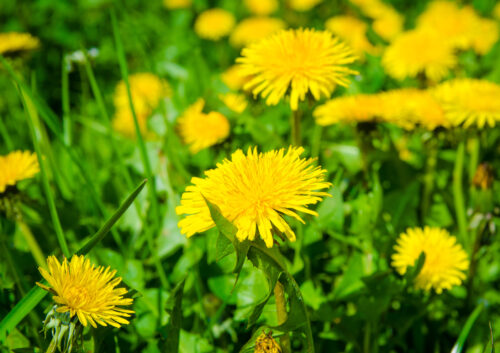
Some call it a weed, but I call it a spring essential! There’s nothing quite like a field of bright yellow dandelions. Each flower is actually made up of about 200 individual florets. Once they finish blooming, they turn into those iconic “puffballs.” We all loved blowing the seeds into the wind as kids, which is exactly how this plant spreads so successfully.
%%Brown Knapweed (Centaurea jacea)
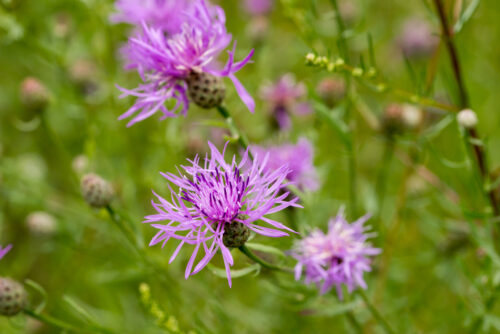
Here is my “insider tip”: Brown Knapweed. From June to October, it produces these gorgeous, fringed purple flower heads that look like something out of a fairy tale. Because it blooms so late into the fall and is absolutely loaded with nectar, it is one of the most valuable food sources you can have for insects preparing for winter.