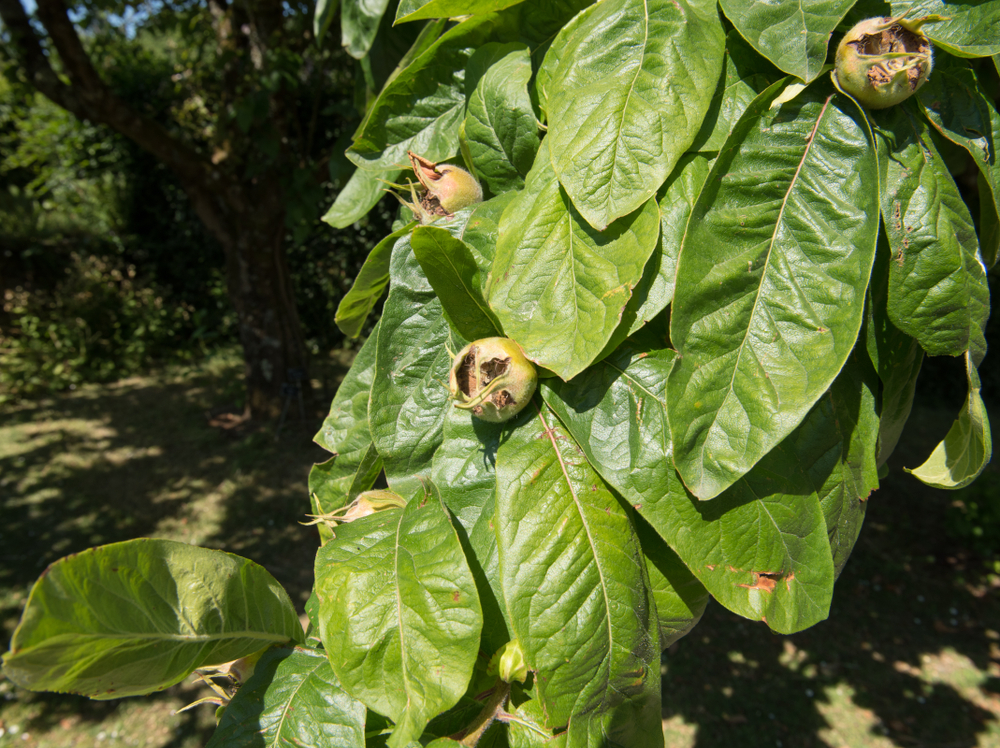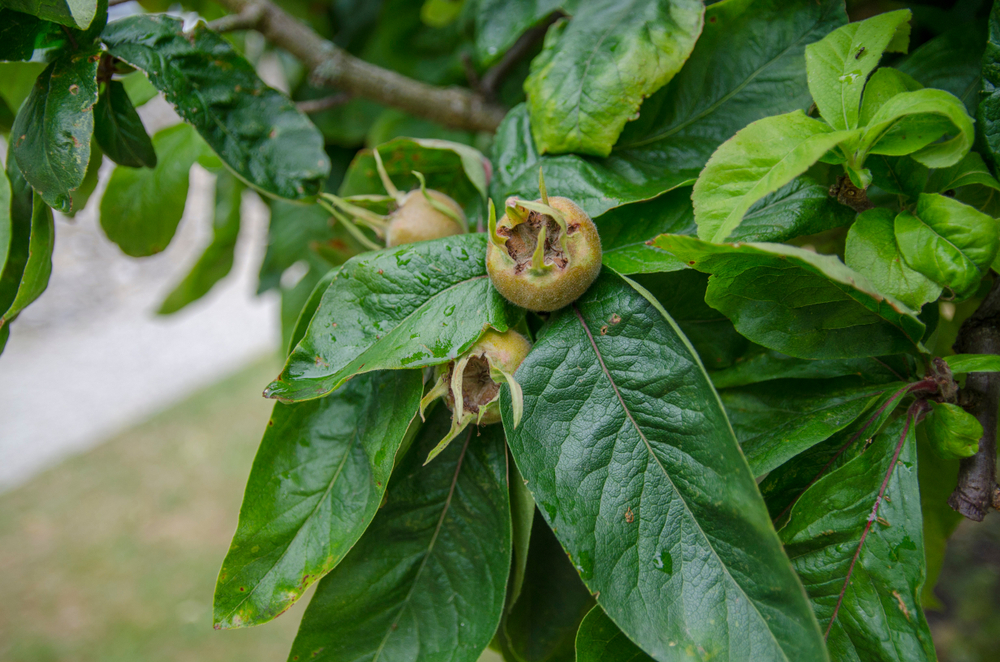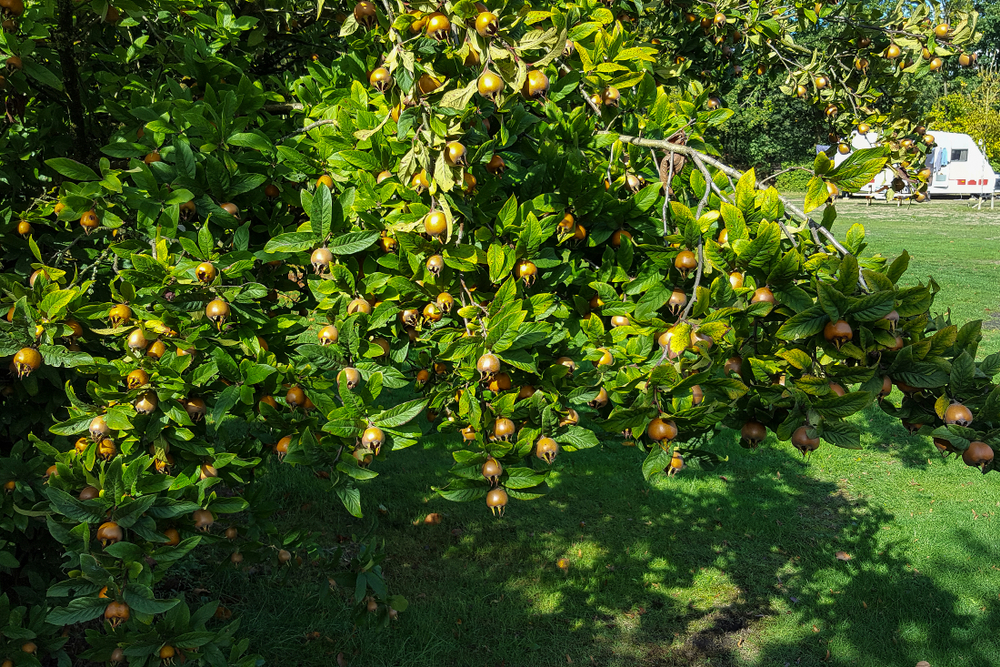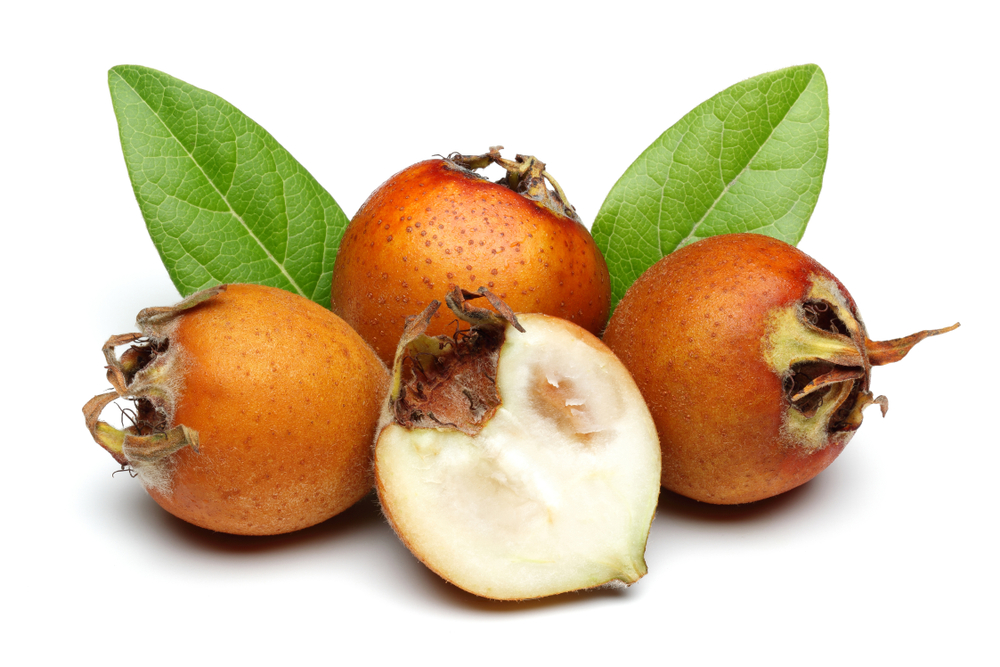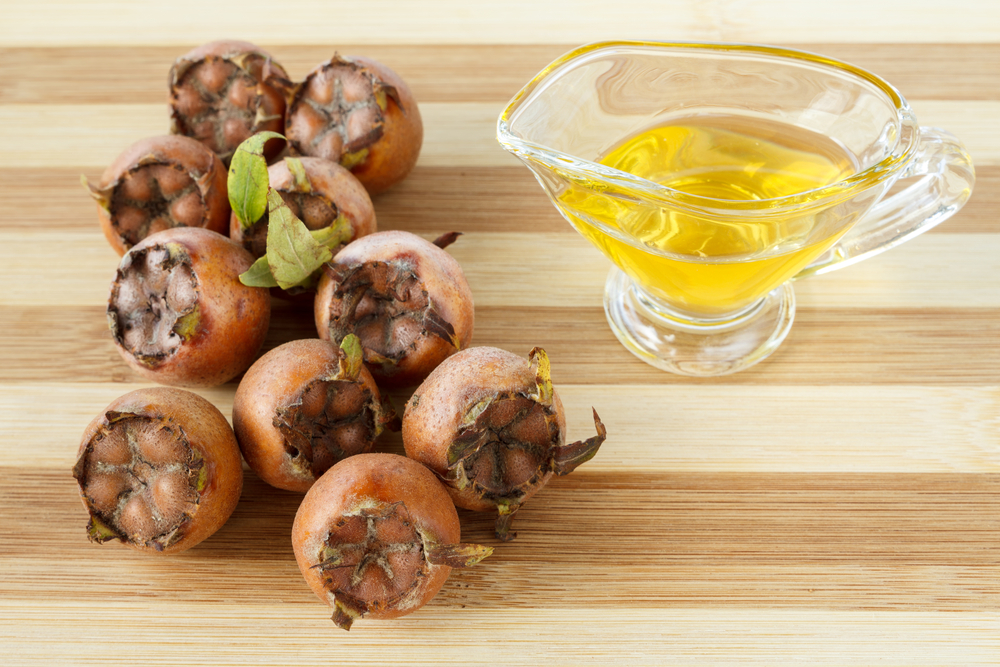
For a long time, the Common Medlar was one of those “forgotten” fruits, rarely seen in modern backyards. But lately, this old-school wild fruit is making a serious comeback as more gardeners rediscover the charm of heirloom varieties.
Finding the Perfect Spot for Your Medlar
If you’re thinking about adding a Medlar to your garden, you’ll want to reserve a prime, sunny location for your new green friend. Trust me, the extra sunshine pays off with perfectly ripened fruit and steady growth. When it comes to soil, Medlars aren’t too picky, but they definitely hate “wet feet”—so avoid areas where water pools. After planting, your goal is to keep the soil consistently moist but well-drained. Here’s a quick checklist for a happy tree:
- Soil that stays moist but never soggy
- Lime-rich (alkaline) substrate
- A sheltered spot (this is key for winter protection)
- A warm, sunny orientation
Pro tip: Once you’ve got it in the ground, spread a little mulch around the base. This helps lock in moisture so the roots don’t dry out too fast.
A Petite Tree for Small Spaces
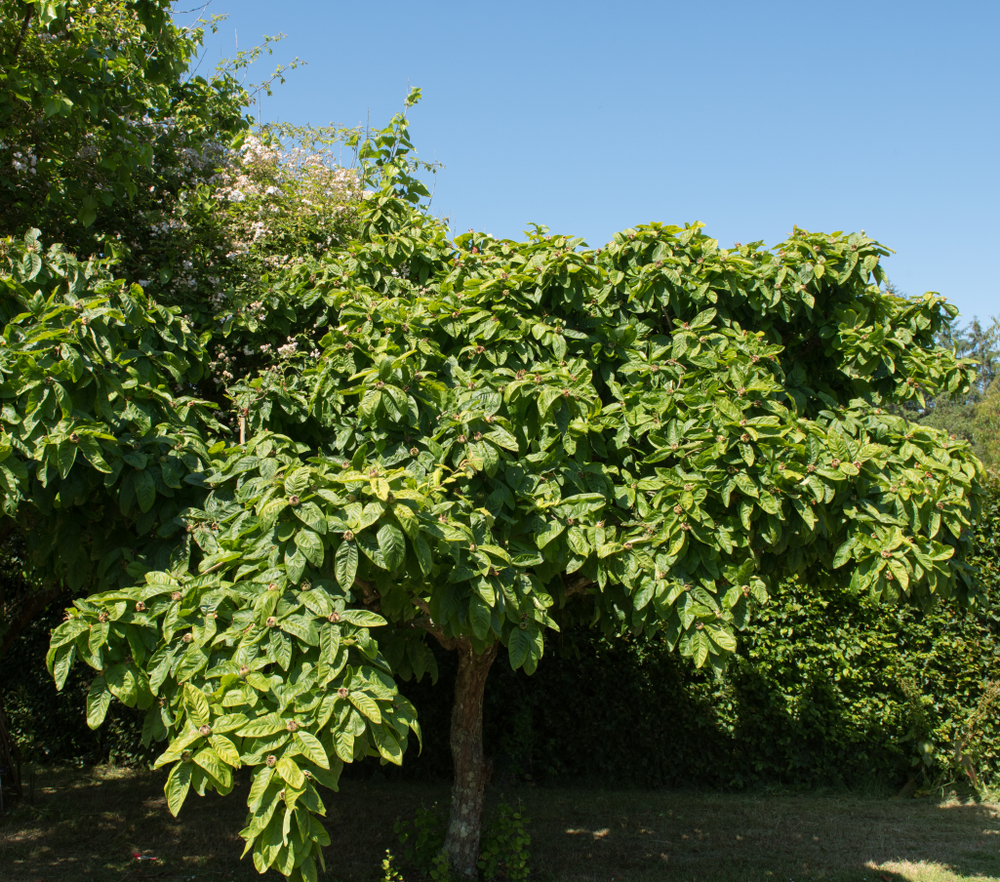
One of the best things about the Medlar is that it doesn’t get massive, so you don’t need a huge estate to grow one. It’s a fantastic decorative choice for front yards, flower beds, or smaller city gardens. It tops out at about 15 feet and develops a lovely, wide crown that looks a bit like a natural umbrella.
To keep your Medlar looking its best year after year, give it a light thinning cut every few springs. This keeps the tree healthy and full of life. Just a heads-up: put the pruning shears away for the first few years after planting. If you trim it too early, the tree won’t be able to develop its fruit properly.
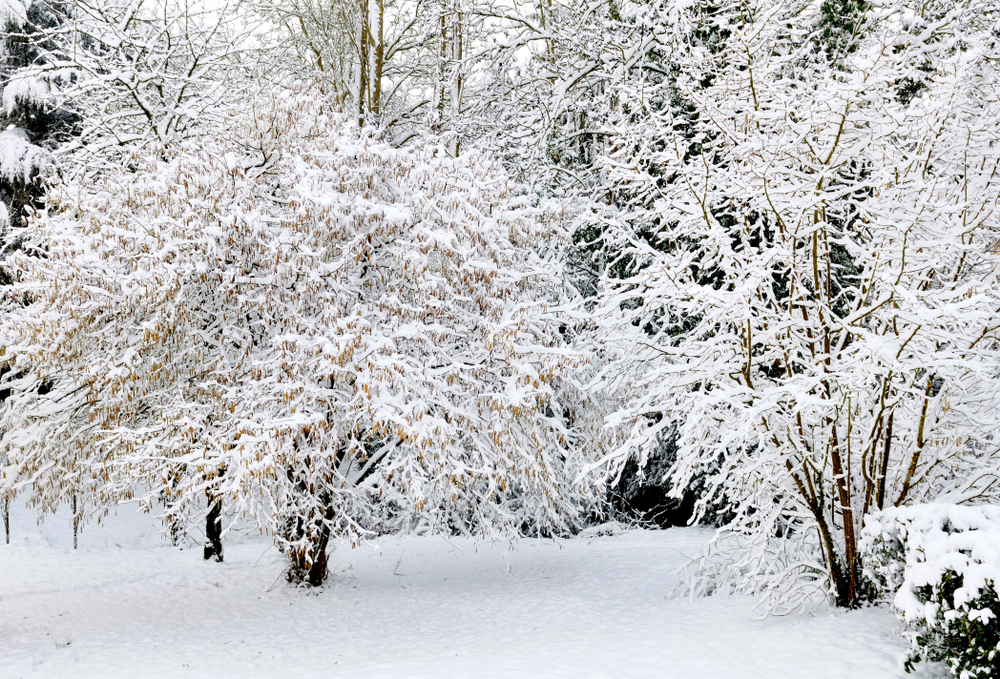
If you’re looking for ground cover rather than a tree, you might consider a “carpet” of Cotoneaster (often called Dwarf Medlar). Now, these aren’t actually related to the Common Medlar, but they share a similar look. They make wonderful decorative ground covers, sporting delicate pinkish-white blossoms in May and bright red berries starting in August. Those berries stick around all winter long, which looks great in the snow—just remember that unlike the Common Medlar, these berries are strictly for decoration and aren’t edible!