title: When to Harvest Medlars: The Secret to This Forgotten Fruit
Small, brown, and a little unusual, medlars are a hidden gem in the garden. You can snack on them raw or use them to whip up some seriously delicious treats, but there’s a catch: they’re only soft and tasty when they’re fully ripe. And for a medlar, “ripe” means one thing—they need a good chill from a frost.
What Exactly Are Medlar Fruits?
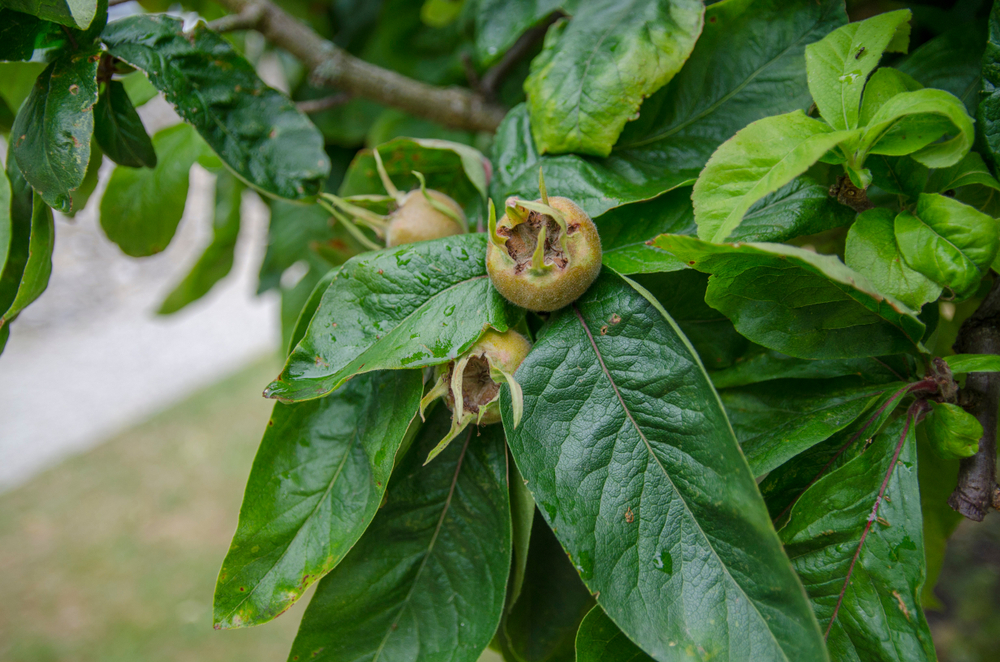
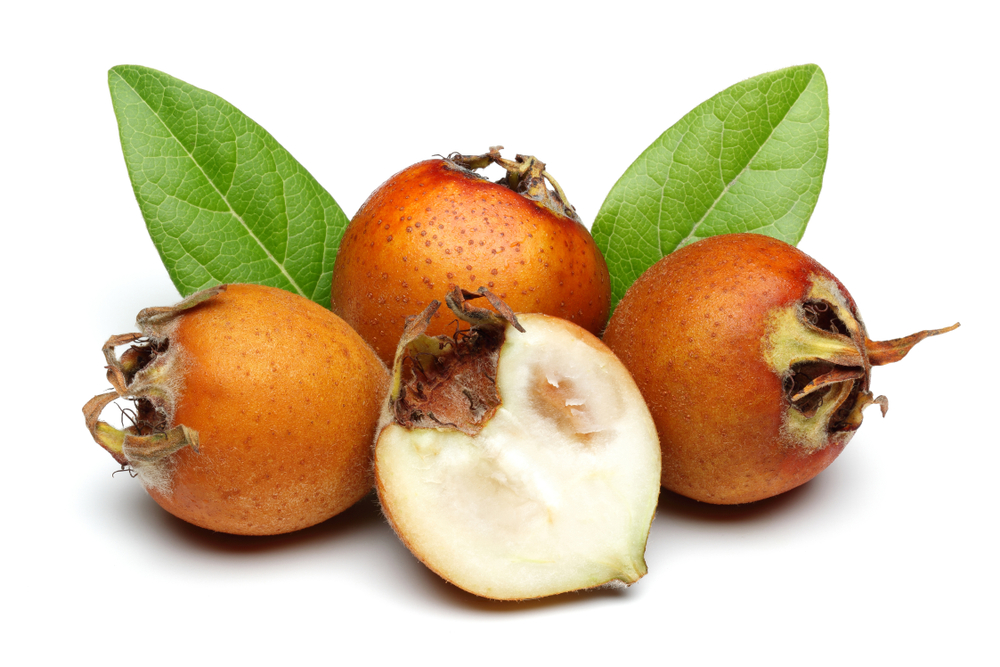
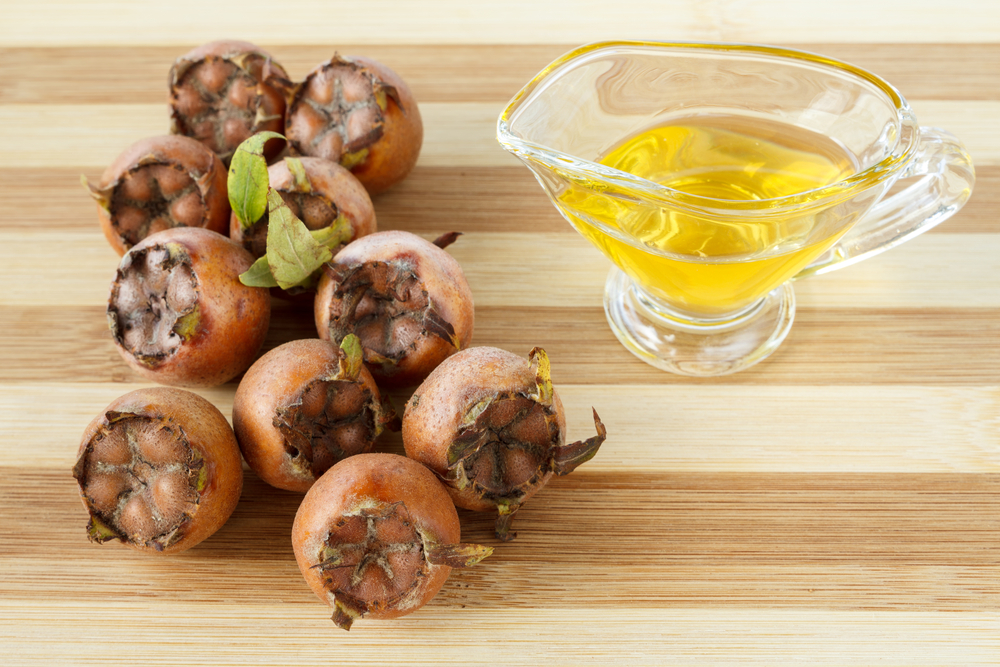
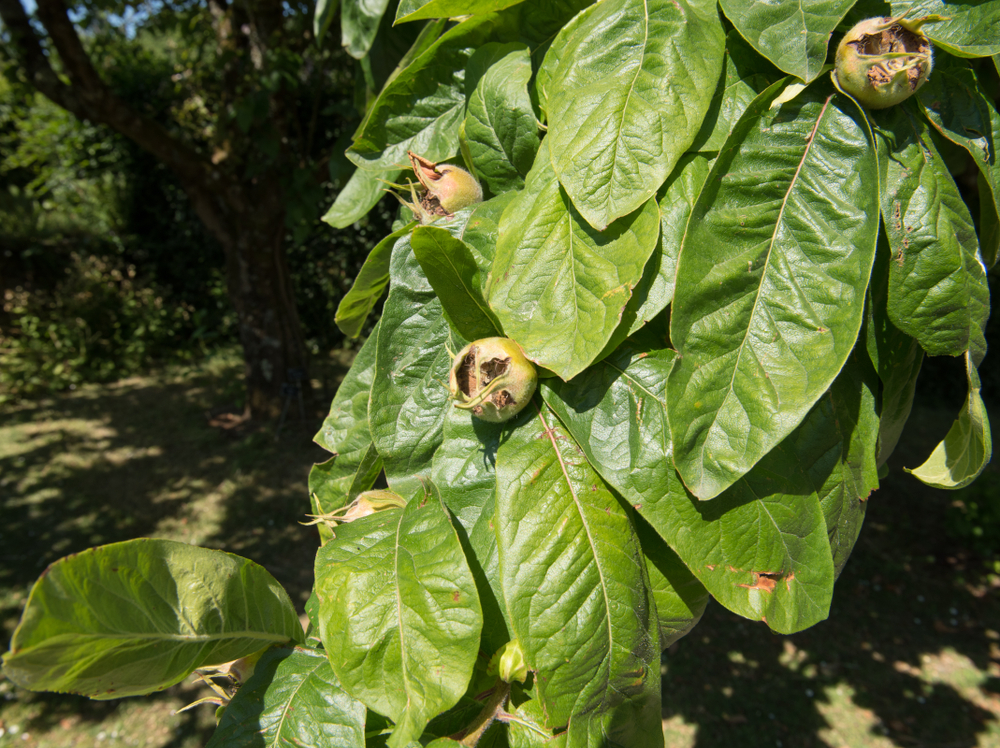
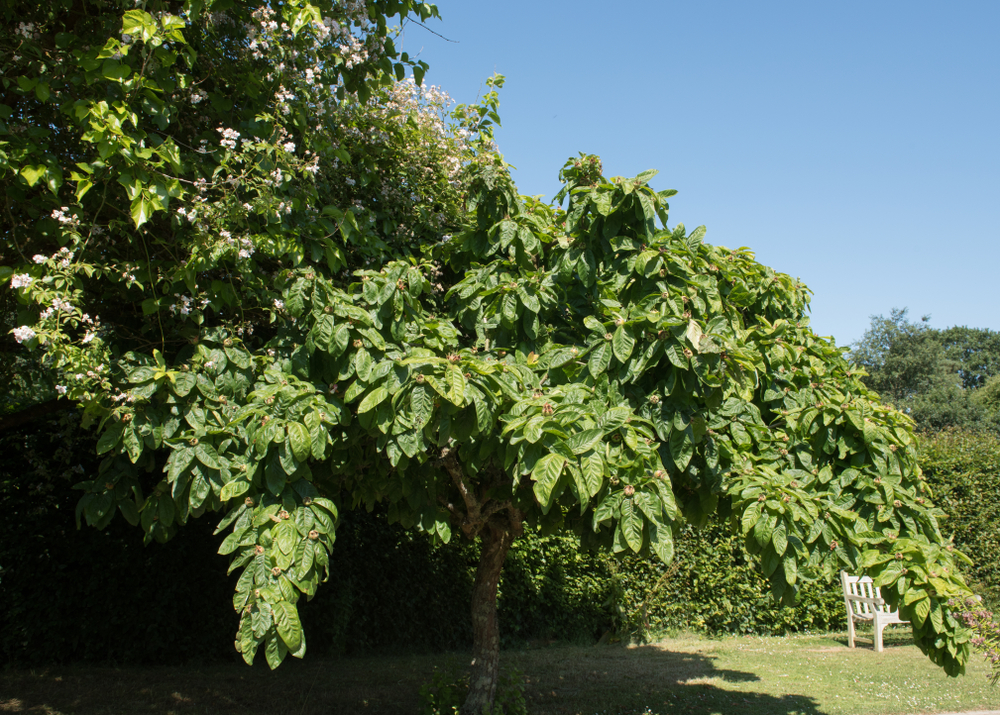
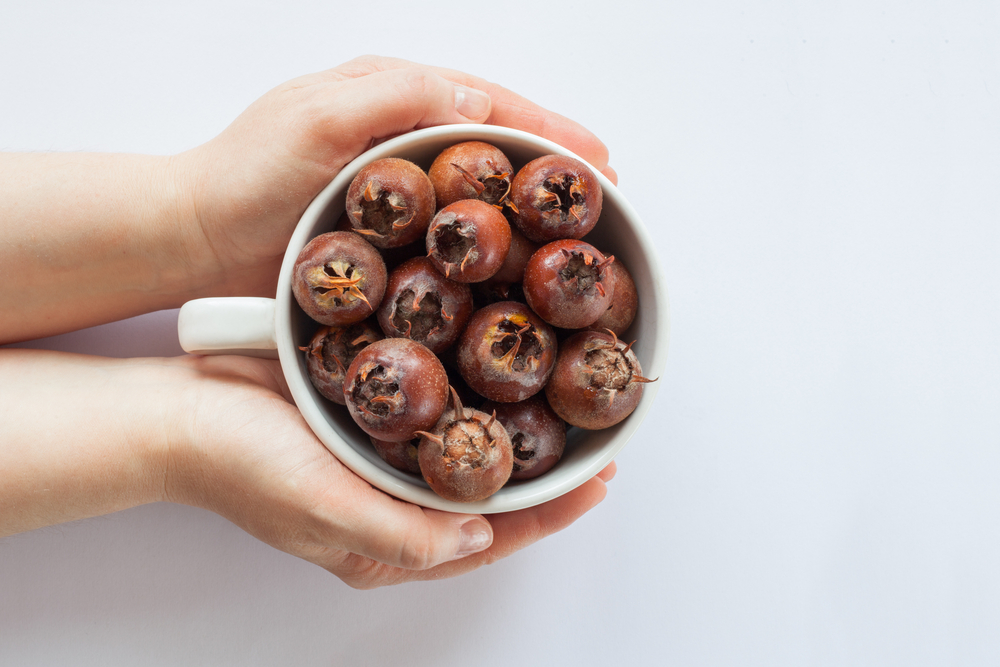
At first glance, medlar fruits aren’t exactly beauty pageant winners. They look a bit like tiny pears or quinces, but much smaller. With their brownish, slightly fuzzy skin, they’re pretty understated in the orchard.
But don’t let their humble looks fool you! Inside, medlars are packed with vitamins and minerals. Once they reach peak ripeness, they offer a flavor profile that is truly one-of-a-kind.
Why Medlars Need Frost to Ripen
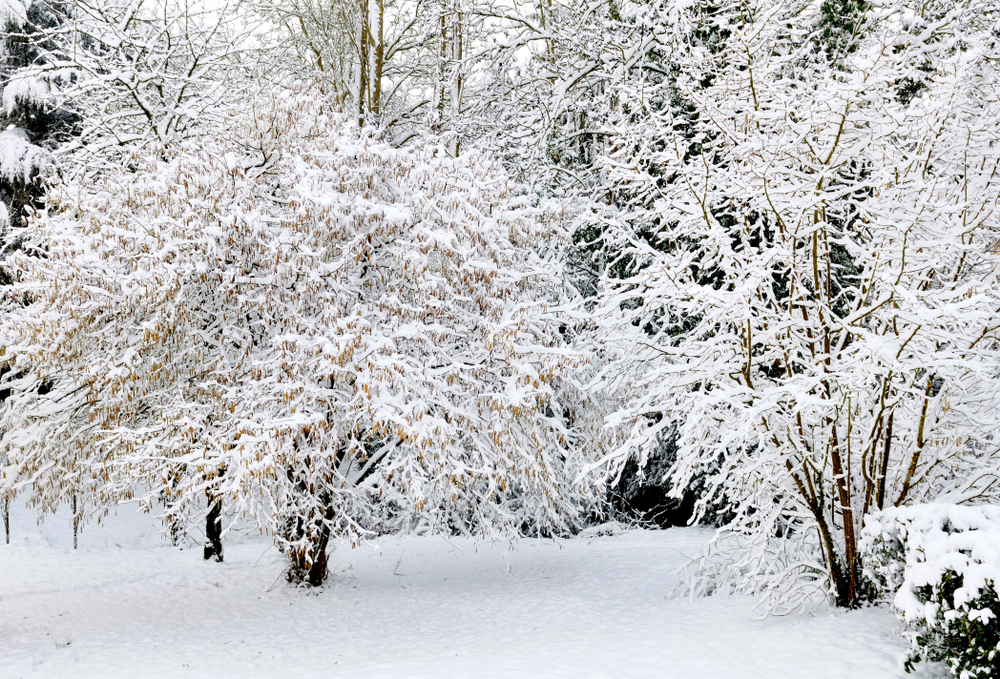
If you try to eat a medlar straight off the tree while it’s still hard, you’re in for a puckery surprise. Unripe medlars are loaded with tannins, which makes them bitter and astringent. To get that signature flavor, these little fruits need to go through a frost. The freezing temperatures break down those harsh tannins, turning the flesh soft, tender, and sweet-tart with a distinct nutty finish.
When is Medlar Harvest Season?
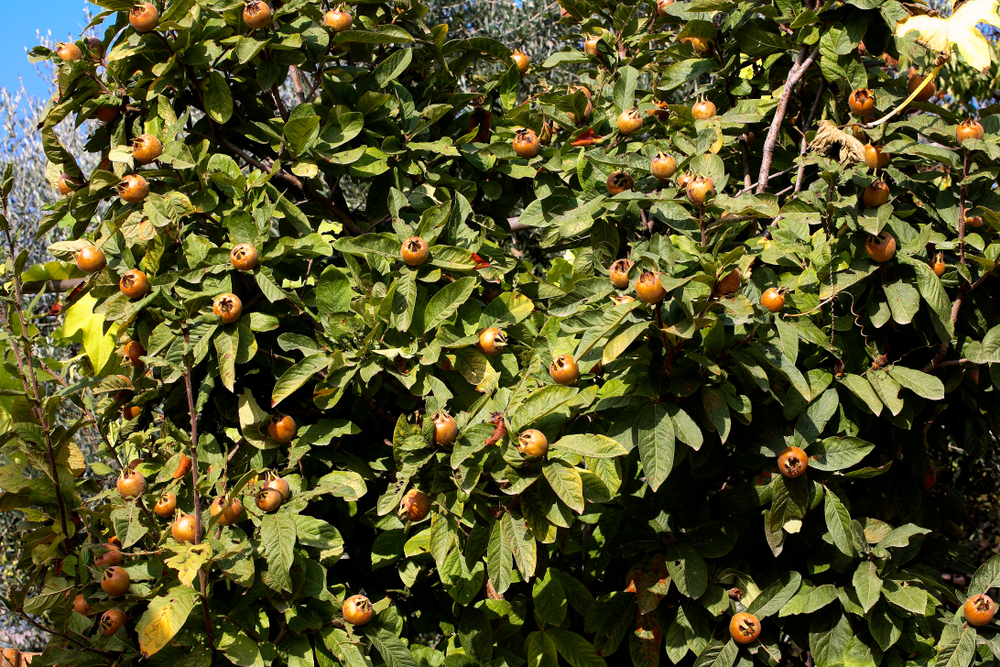
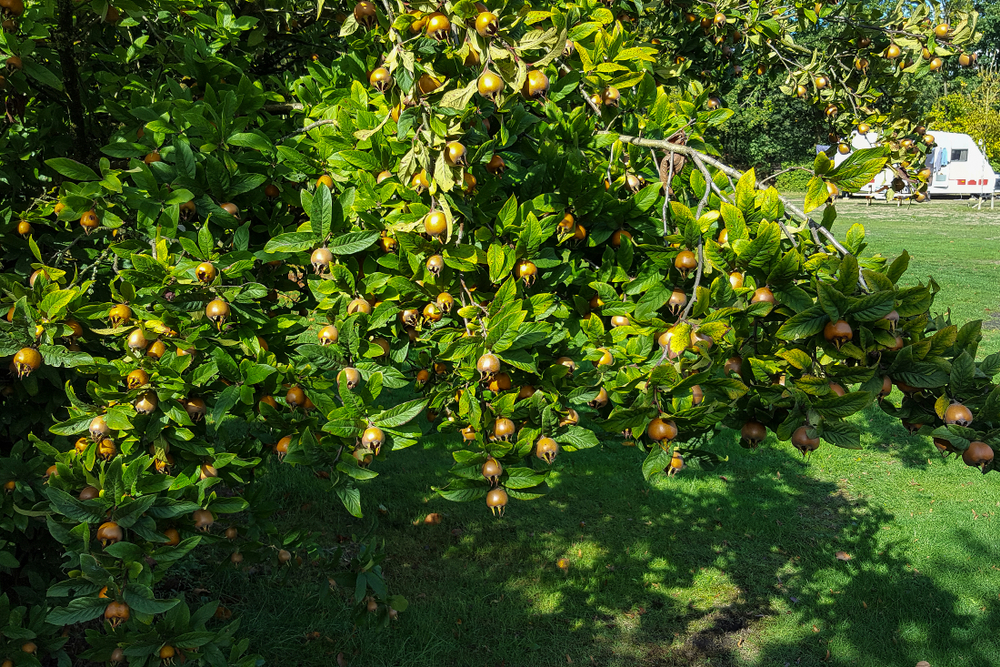
Because they rely on the weather, there isn’t a fixed date on the calendar for harvesting. Generally, the window opens between early November and mid-December. However, depending on the specific variety and how early the cold snaps hit, you might find yourself harvesting as early as September or October.
How to Tell When They’re Ready
You’ll know your medlars are ready for the kitchen when they hit these marks:
- The skin has turned a rich rusty-brown or deep brown.
- The surface feels slightly hairy or fuzzy to the touch.
- The flavor is nutty and tangy with a pleasant sweet-and-sour kick.
Pro Tip: Process Them Quickly
Once harvested, medlars don’t have a very long shelf life—even in the fridge, they’ll only stay good for a few days. Because they’re so perishable, you’ll want to eat them right away or get to work preserving them. They make incredible jams, jellies, compotes, fruit butters, juices, and even liqueurs.
No Frost? No Problem!
If you’re having a particularly mild winter and the frost just isn’t coming, don’t worry—you can still harvest the fruit while it’s firm. Just pop them into your freezer for a few days. This “artificial frost” mimics nature’s process, breaking down the tannins and ripening the fruit so it’s ready to enjoy.