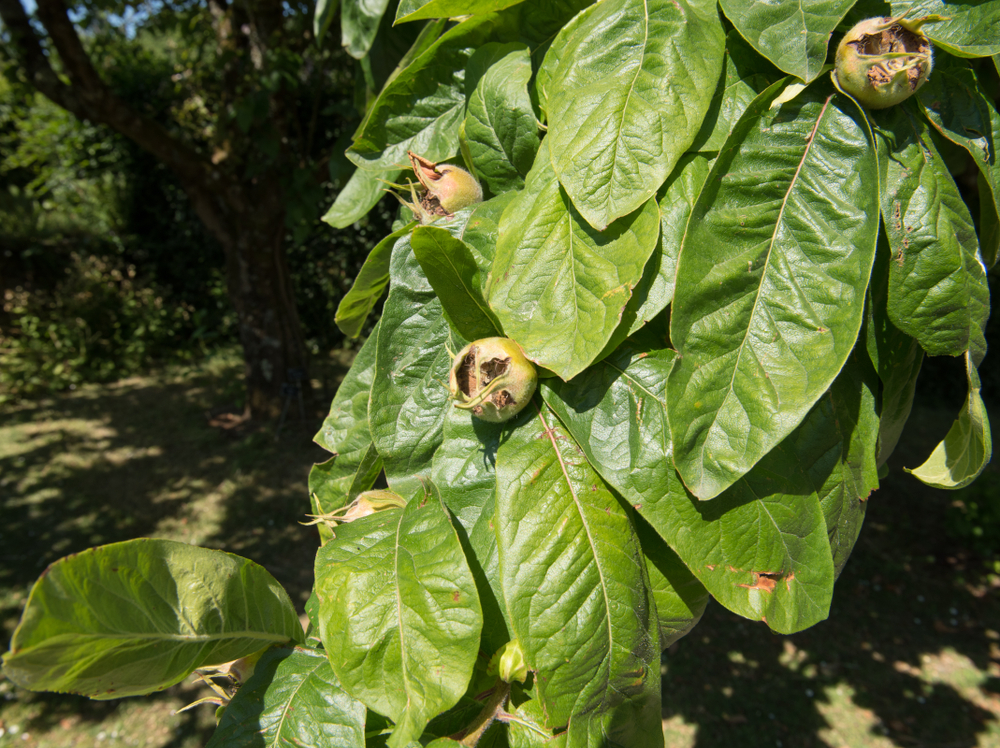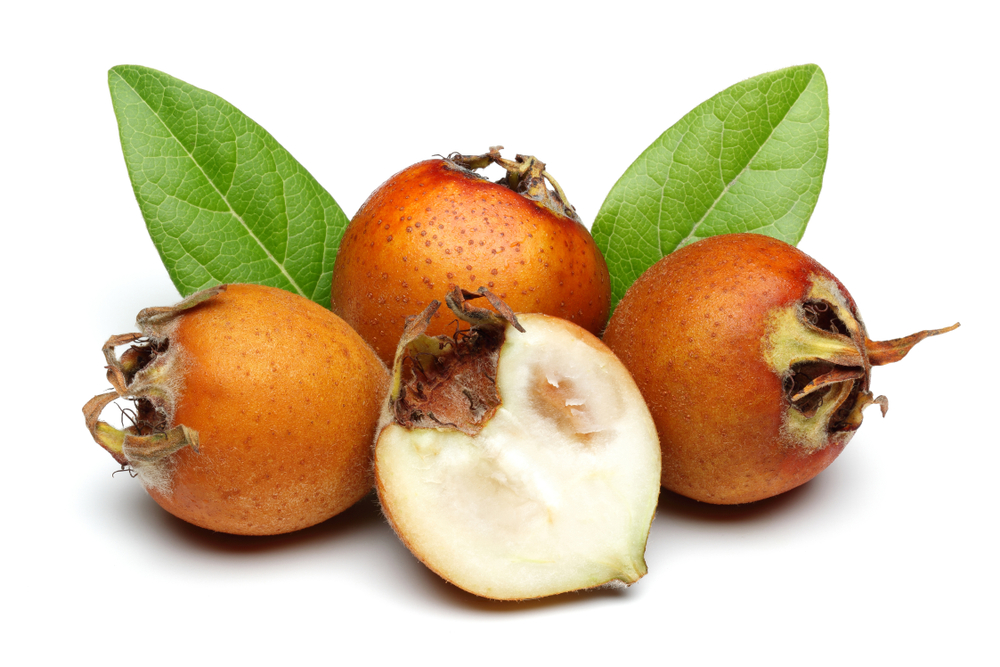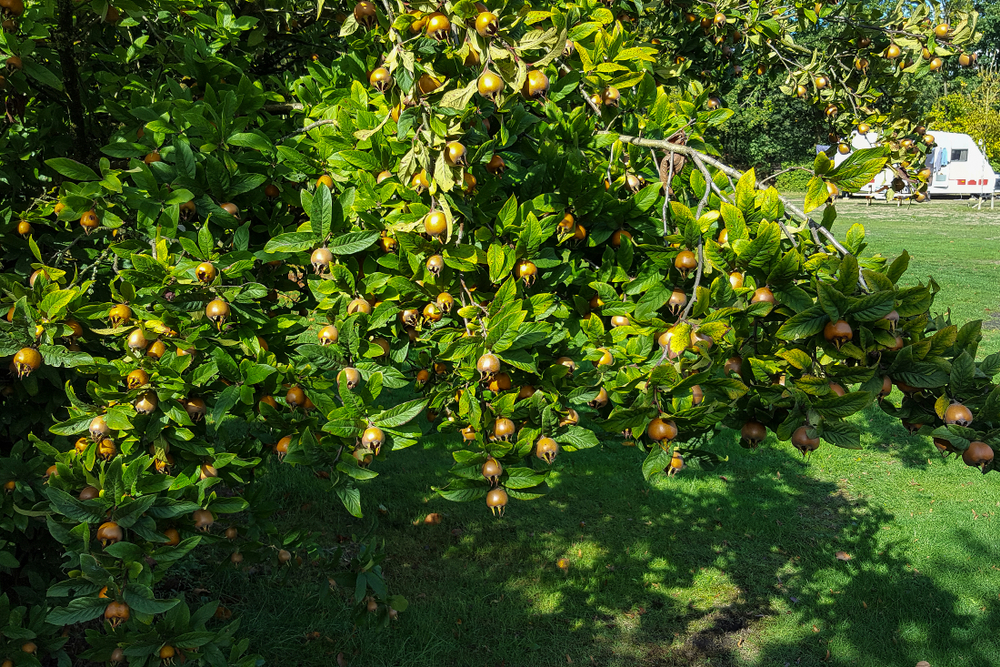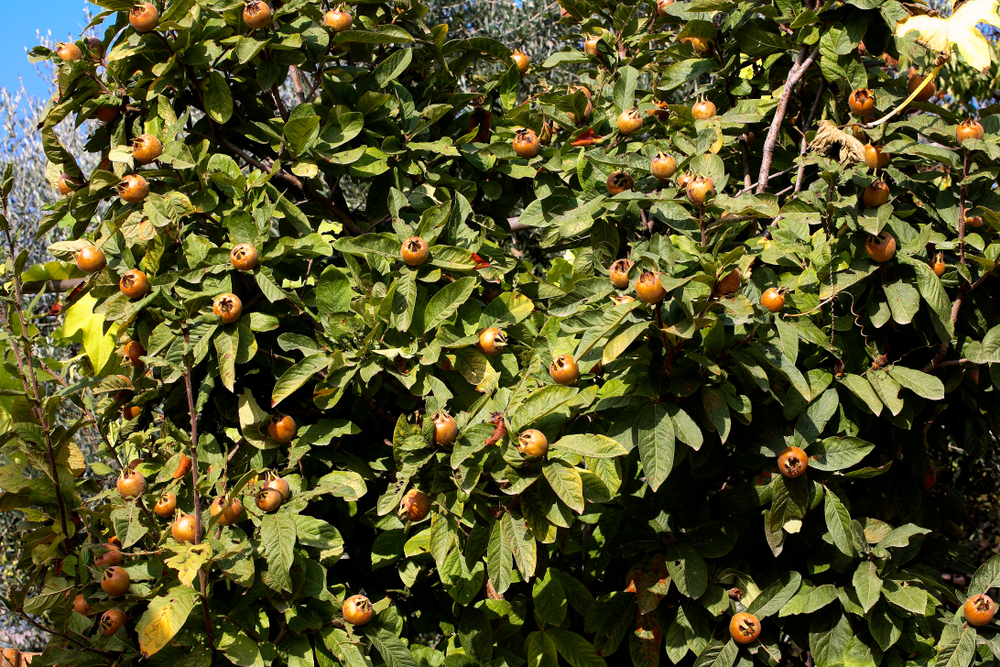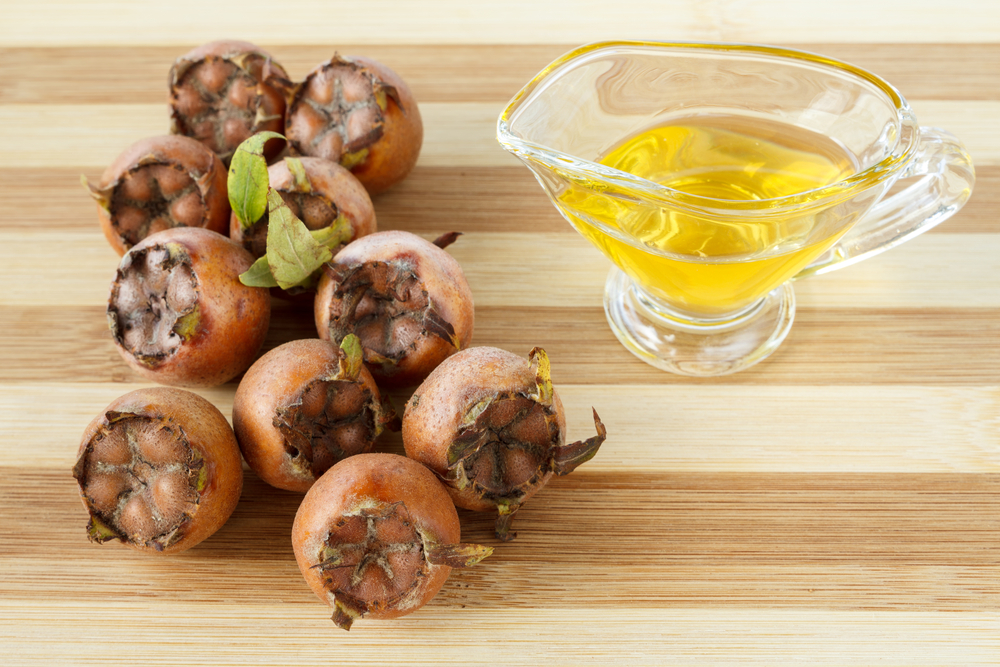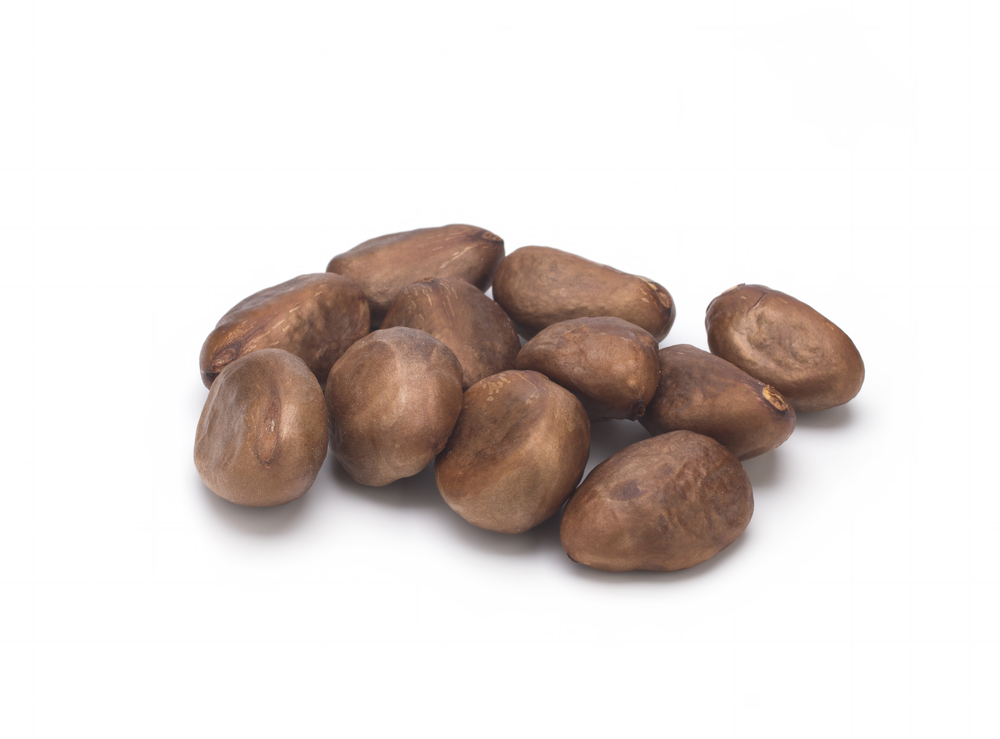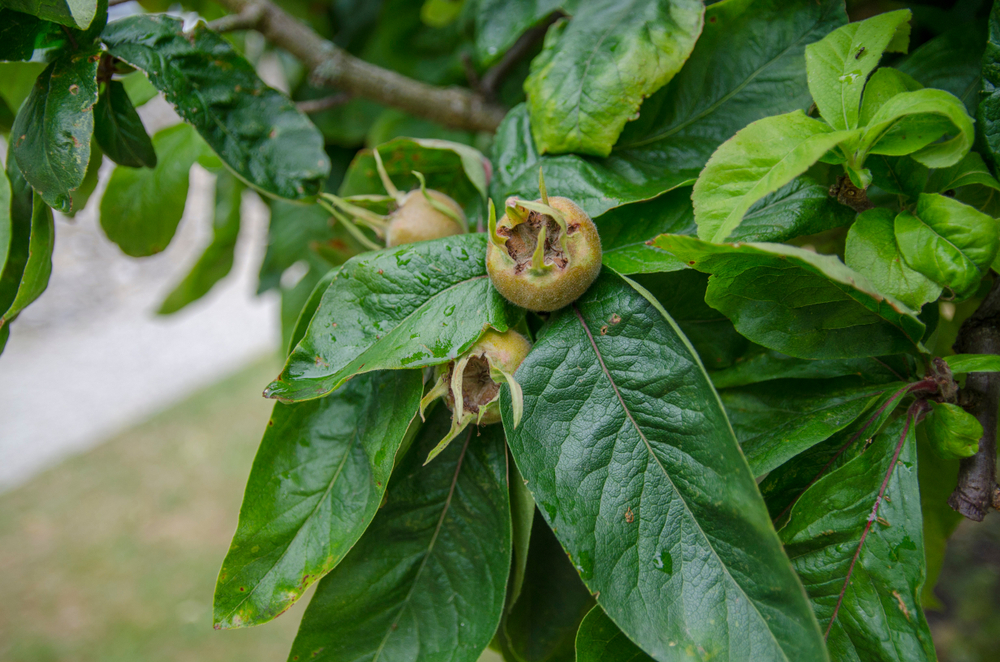
For a long time, the Common Medlar was one of those “forgotten” fruits that you’d rarely see in a modern backyard. But lately, this old-school wild fruit is making a serious comeback as gardeners rediscover the charm of heirloom varieties.
Finding the Perfect Spot for Your Medlar
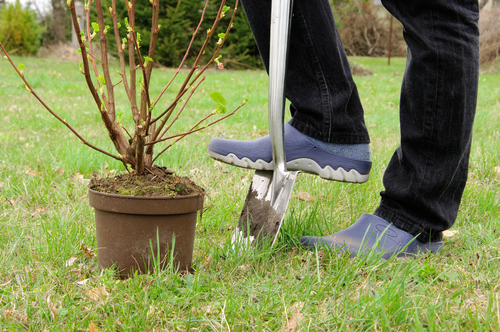
If you’re thinking about adding a Medlar to your garden family, you’ll want to pick out a prime, sunny location. Trust me, the more sun it gets, the better the fruit ripens and the happier the tree will be. When it comes to soil, it likes to stay hydrated but hates “wet feet”—so make sure the area drains well to avoid standing water. After you get it in the ground, keep the soil consistently moist but breathable. Here’s a quick cheat sheet for its favorite conditions:
- Moist soil (but never soggy!)
- Lime-rich or slightly alkaline substrate
- A sheltered spot (especially important to protect it from harsh winter winds)
- A warm, sunny orientation
Pro tip: Once you’ve finished planting, spread a little mulch around the base of the tree. This helps lock in that moisture so the roots stay nice and cool.
A Petite Tree for Small Spaces
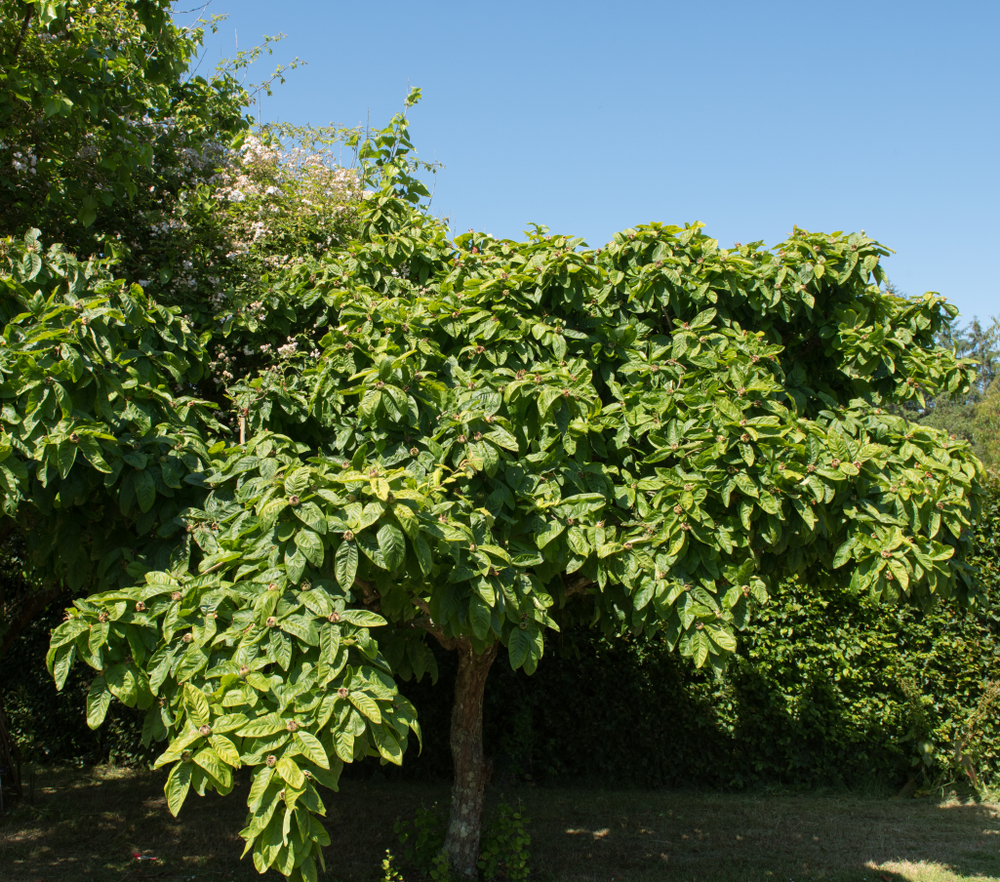
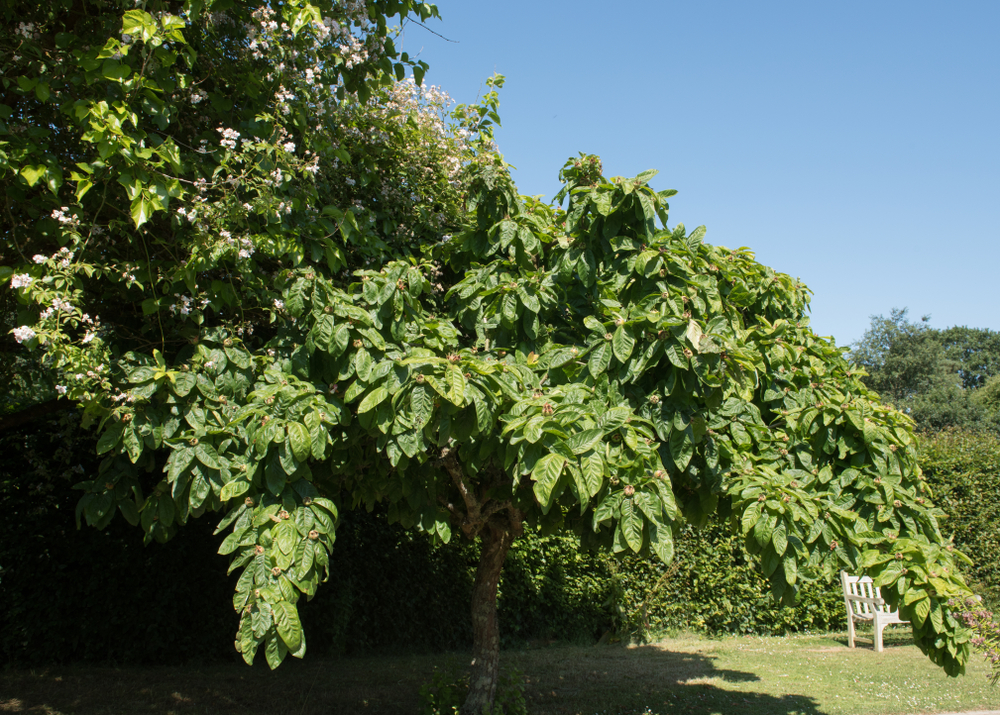
One of the best things about the Medlar is that it doesn’t get massive, meaning it won’t hog all your yard space. It’s a fantastic choice for a decorative front yard tree, a mixed border, or a cozy urban garden. It usually tops out at about 15 feet and grows a lovely, wide crown that looks a bit like a natural umbrella.
To keep your Medlar looking its best year after year, give it a light thinning cut every few springs. This keeps the tree vigorous and healthy. Just a heads-up, though: leave the pruning shears in the shed for the first few years after planting. If you trim it too early, the tree might struggle to set its first crop of fruit.
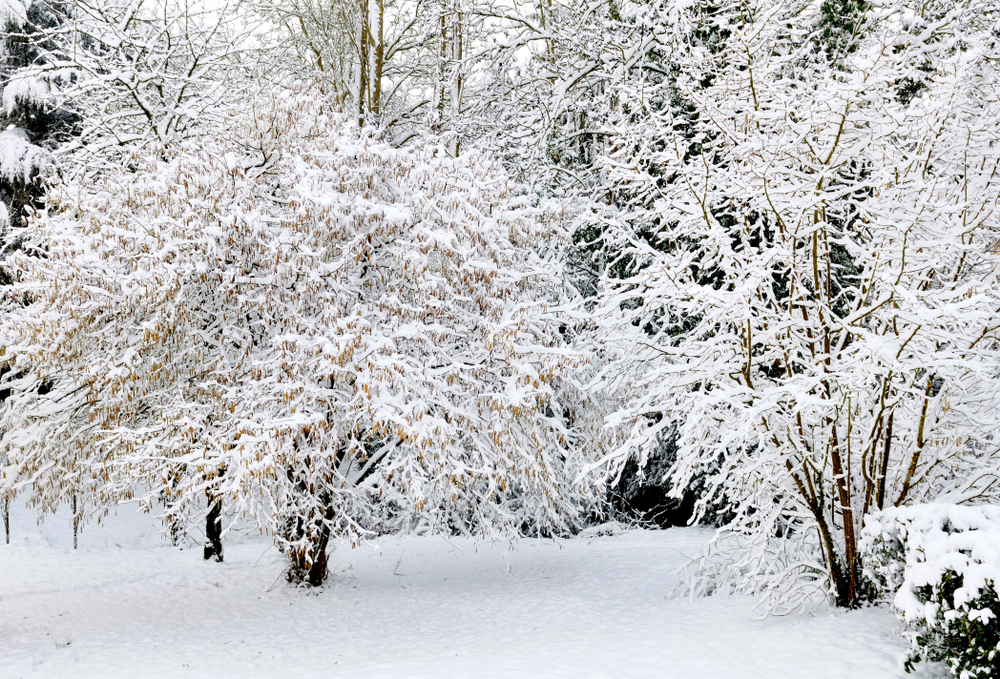
If you’re looking for ground cover rather than a tree, you might come across the Creeping Cotoneaster (often called “Dwarf Medlar” in some regions). While they look similar and share a name, they aren’t actually related! Cotoneaster makes a beautiful decorative ground cover with delicate pinkish-white flowers in May and bright red berries starting in August. Those berries stay on the plant all winter long, which looks great in the snow—just remember that unlike the Common Medlar, these berries are strictly for looking, not for eating!