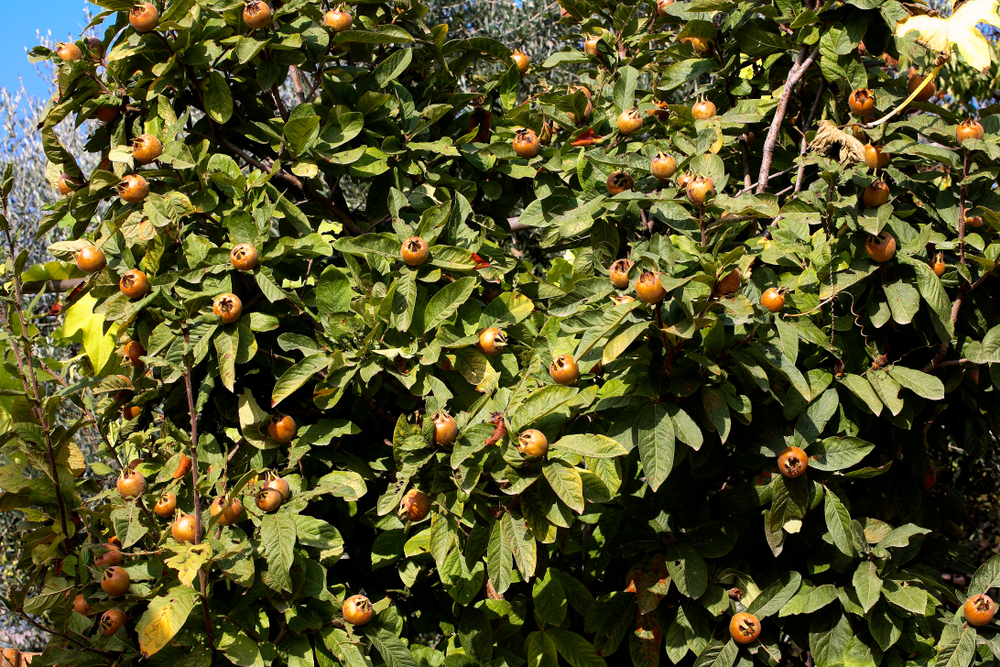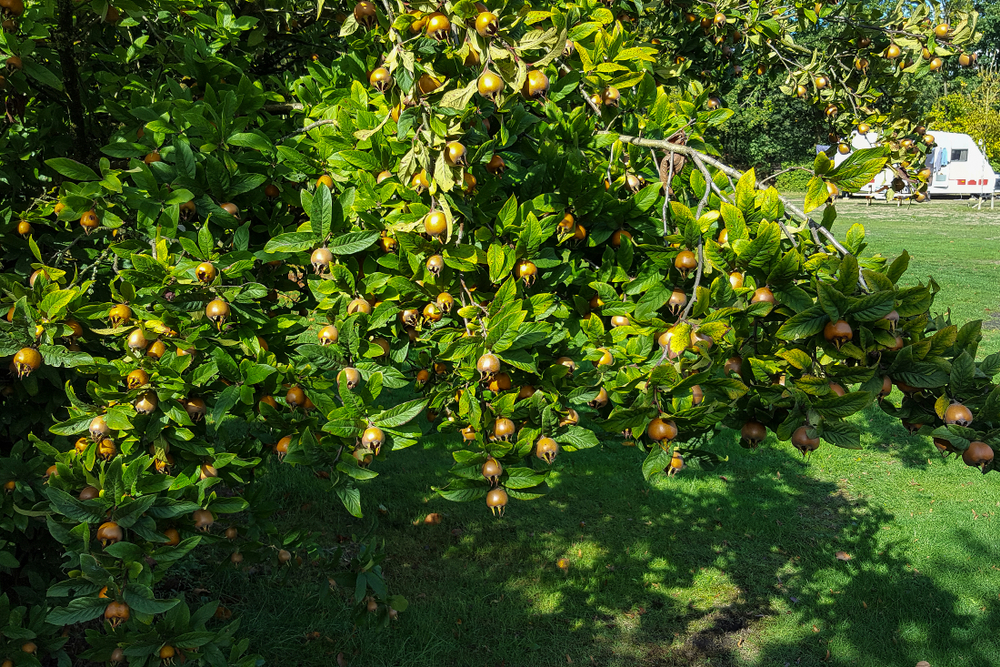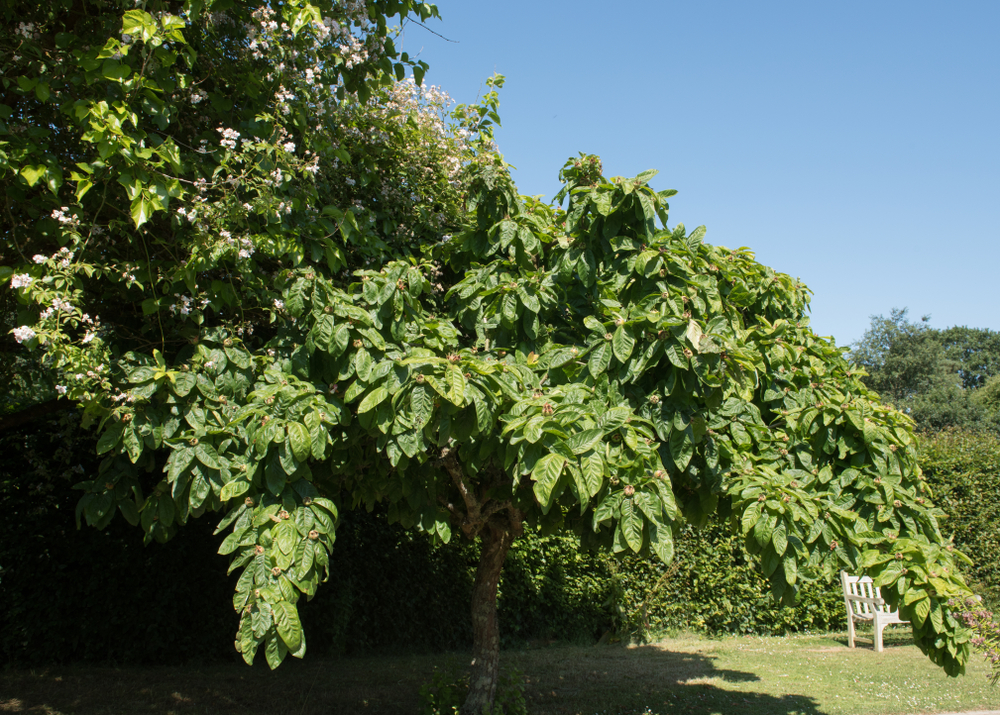
When it comes to care and choosing the right spot, the medlar tree is pretty low-maintenance and surprisingly tough. It’s great at adapting to whatever your garden throws at it. But you might be wondering: how does it handle those freezing winter months?
Does your medlar tree need winter protection?
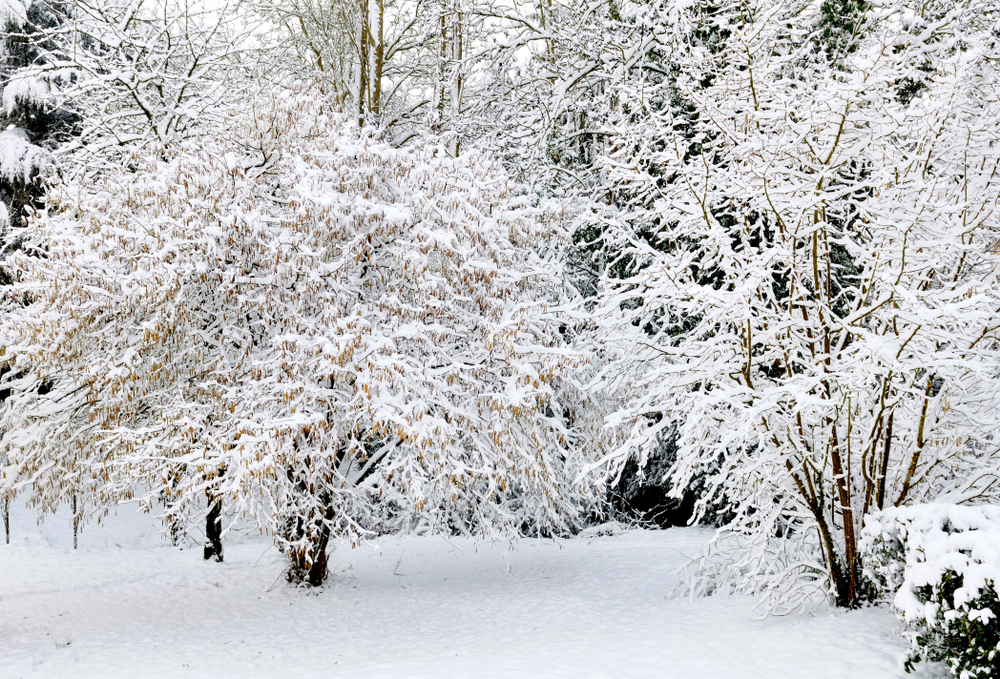
Here’s the deal: medlars absolutely love soaking up the sun and warmth. That’s why it’s so impressive that they are actually incredibly hardy and frost-resistant. They handle the cold like pros and usually don’t need any extra help to get through the winter. If you’ve planted yours in a somewhat sheltered location, it can withstand temperatures as low as -4 °F or even a bone-chilling -18 °F. If your spot is particularly windy or exposed, it can still handle about -4 °F without breaking a sweat.
Keep in mind, though, that these stats are for mature trees. A young medlar that’s just getting established isn’t quite that tough yet. You’ll need to give saplings some extra TLC, or you might lose them to a hard freeze. Just wrap the young tree in a layer of garden fleece and mulch the roots heavily with leaves or bark. To be on the safe side, repeat this for the first three winters. After that, your tree should be strong enough to fly solo.
Don’t forget about Cotoneaster!
The dwarf medlar (Cotoneaster)—which, fun fact, isn’t actually related to the Common Medlar—is a super popular groundcover in many American yards. You don’t need to worry about these guys in the winter either; they handle frost and temperatures down to -4 °F just fine. Plus, their beautiful berries stick around all winter, adding a nice pop of color to a snowy garden.
However, if you’re growing your plants in containers, they need protection across the board. If you have a bright, frost-free spot like a sunroom or a cool entryway, that’s the perfect winter home for them. If you don’t have the indoor space, move the pot to a protected area of your yard.
Pro tip: Place the pot on a sheet of styrofoam. This insulates the roots and keeps the pot from freezing to the ground. You should also wrap the entire plant in burlap or fleece and cover the soil with evergreen brush or mulch. On those first few warm, sunny days of late winter, go ahead and uncover them during the day so they can get some fresh air and light.