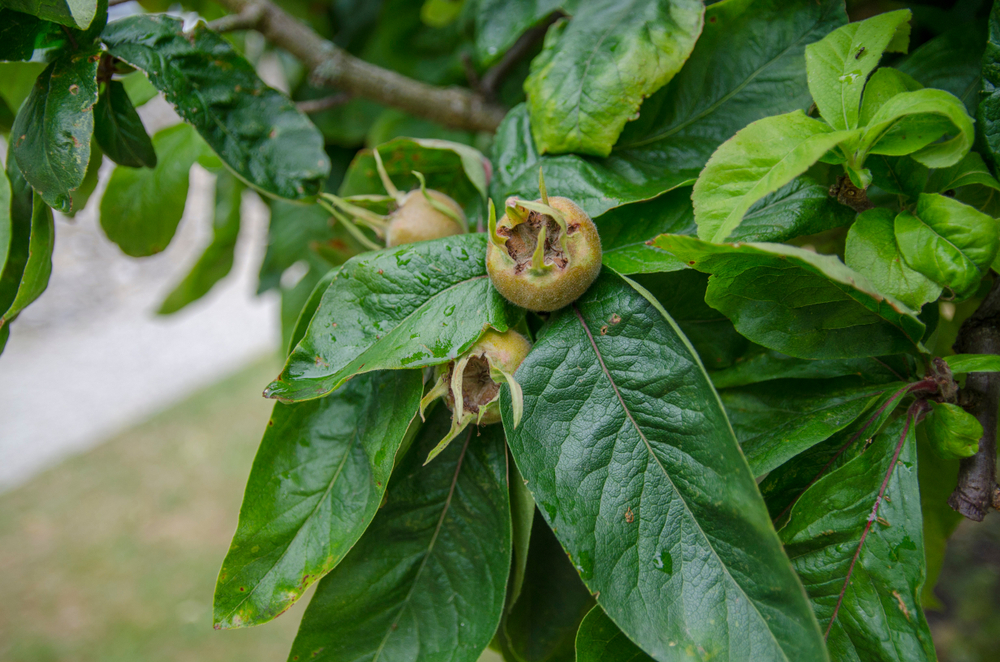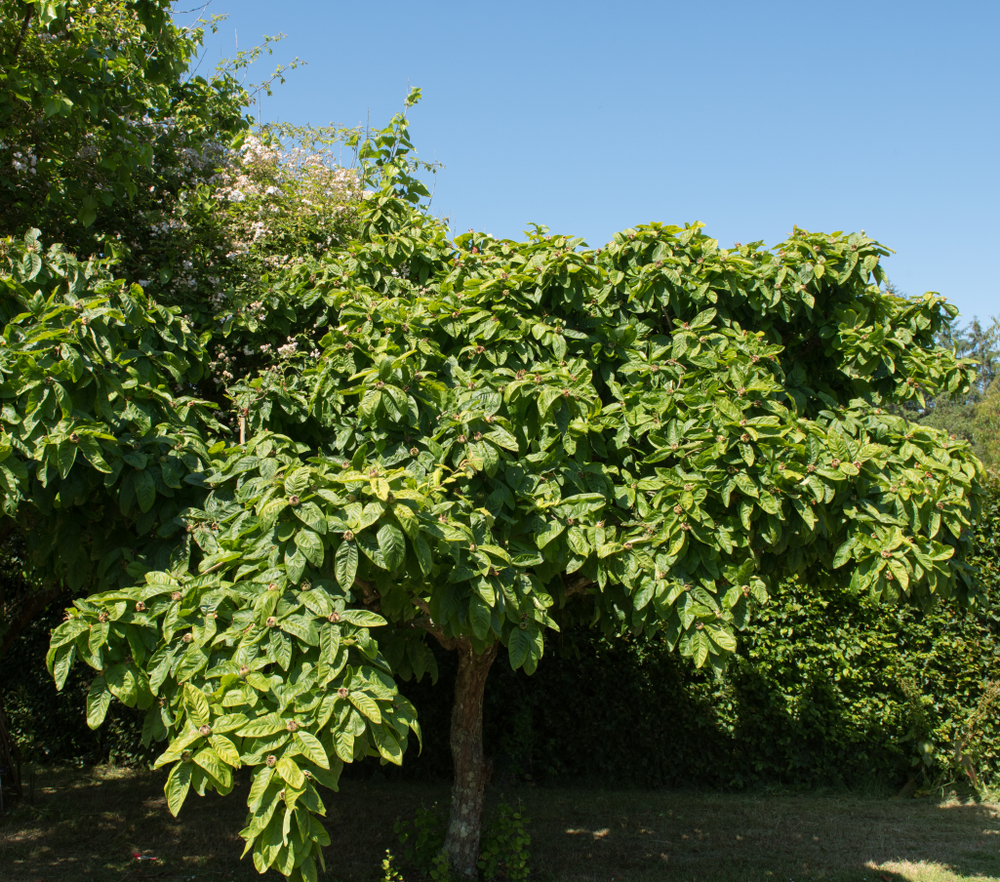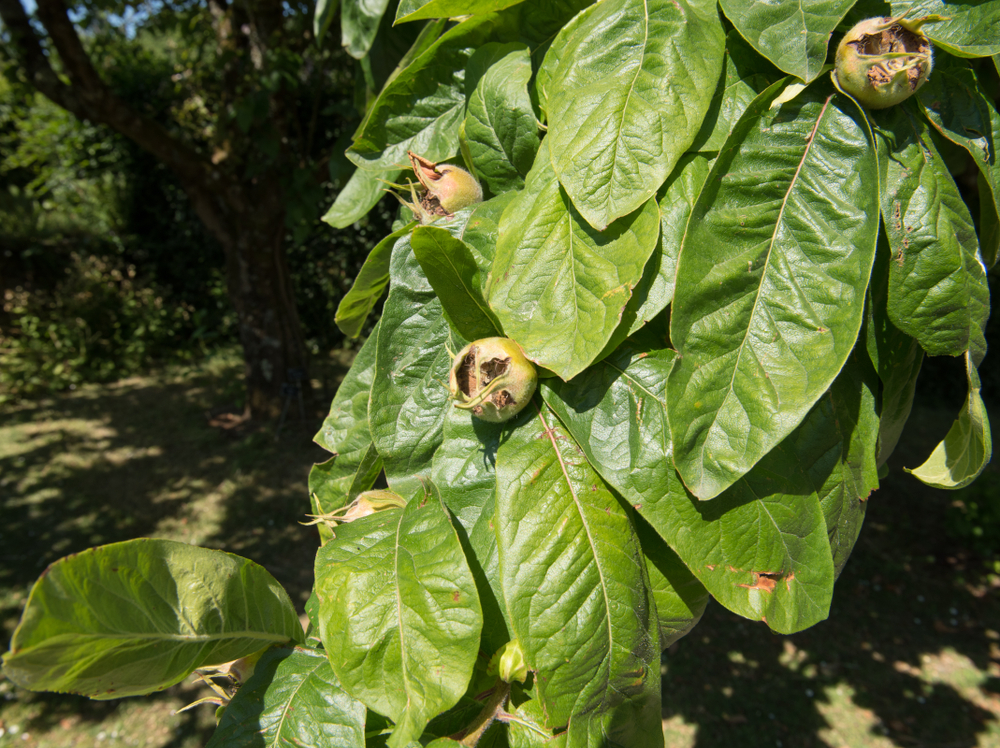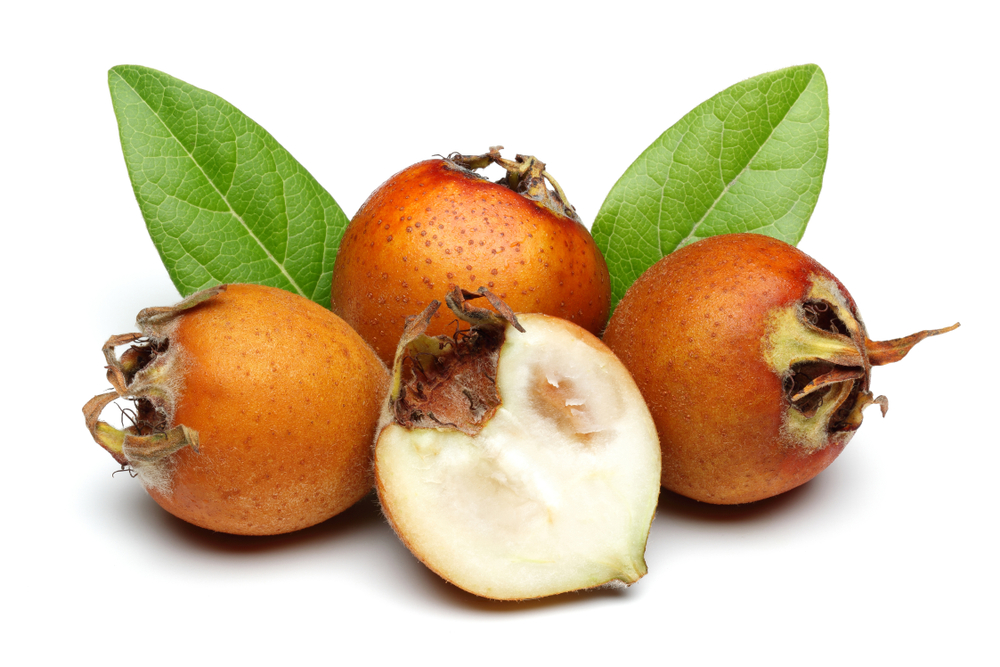
If you’ve been looking to add a medlar tree to your garden lately, you might have noticed they come with a bit of a price tag. Since the common medlar is considered a specialty heirloom crop, it’s not always the cheapest find at the nursery. But here’s the good news: you can actually propagate them yourself!
Propagating from Seed
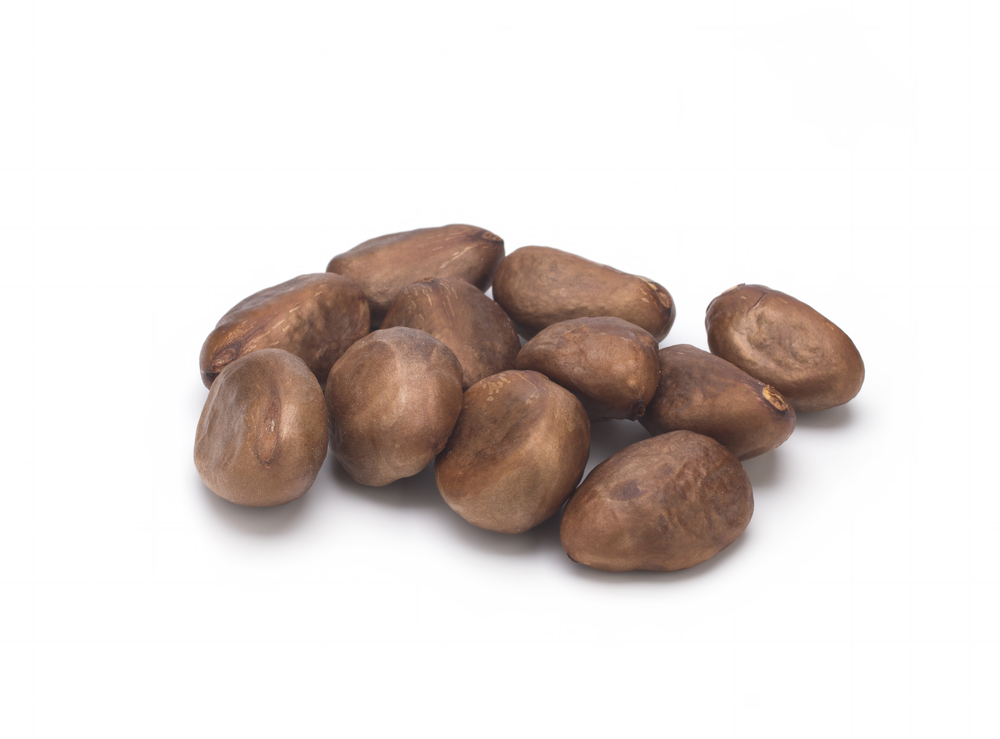
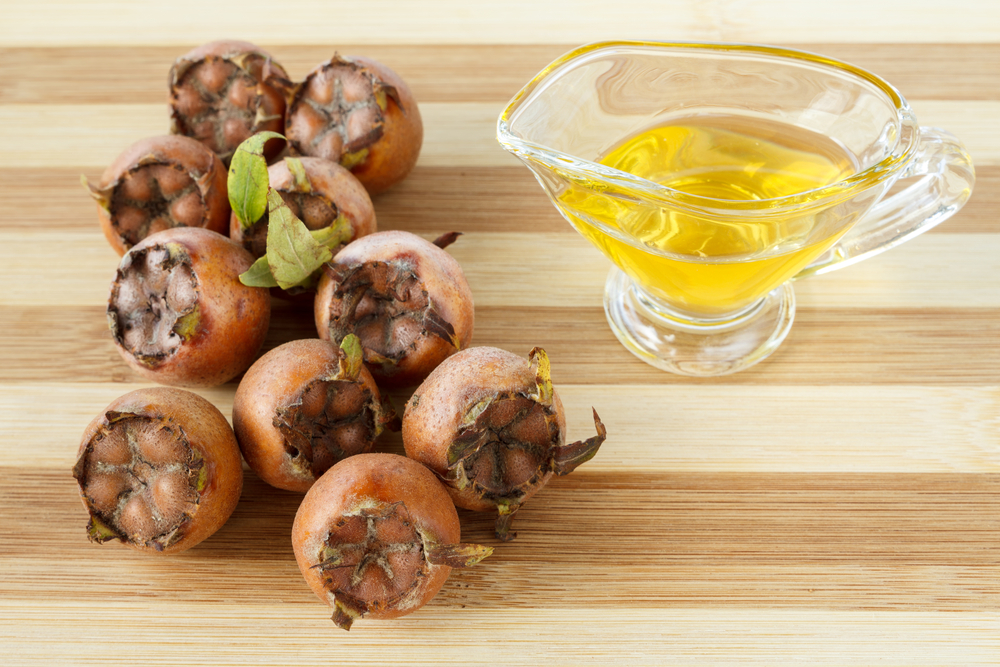
Using the seeds (or pits) from the fruit is a classic way to start new plants. First, you’ll need to harvest the seeds from ripe medlar fruits, clean them off, and stratify them. The best time to get started is between November and December. Pro tip: Make sure the fruit is truly ripe (even a bit soft); otherwise, the flesh is way too hard, and getting those seeds out becomes a real chore.
Once your seeds are prepped, tuck them into a pot or directly into a garden bed. They’ll need moisture, warmth, and light eventually, but there’s a catch—medlar seeds need a cold period (winter) before they’re willing to sprout. This method is definitely for the patient gardener, as it can take up to two years before you see those first green shoots popping up.
Propagating from Cuttings
If you’re looking for something a bit faster and easier, try taking cuttings. Snip off at least three cuttings from a healthy mother tree. You’ll want to use one-year-old shoots that are at least 6 inches long. Be sure to strip off the bottom leaves so the stem is bare at the base.
You can pop your cutting directly into the soil or start it in a glass of water first. If you’re planting it straight into the dirt, keep that soil consistently moist. Wait until spring, once the danger of frost has passed, to move them to their permanent home outside. Just a heads-up: don’t go overboard with the pruning, as medlars can be a little sensitive to heavy cutting.
Root Cuttings and Grafting
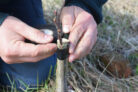
Another cool trick is taking root cuttings. You can harvest a few sections of the root, plant them, and watch new growth emerge. Just make sure you do this on a dry day when the ground isn’t frozen. For many cultivated varieties, however, grafting is actually the preferred way to go.
Interestingly, pear trees make a fantastic rootstock for medlars. Grafting onto a pear tree often results in incredibly aromatic fruit, which is why it’s such a popular choice. Hawthorn or other pome fruits also work well as a base. It takes a little practice and a steady hand, but even hobby gardeners can master grafting with a bit of patience!