Most of us gardeners are pretty familiar with the Cotoneaster—it’s a total staple when you need a reliable groundcover or a hardy shrub. But did you know there’s a whole world of “true” medlars out there? These plants have some really cool unique features that make them well worth a spot in your yard.
Cotoneaster: The Close Cousin of the True Medlar
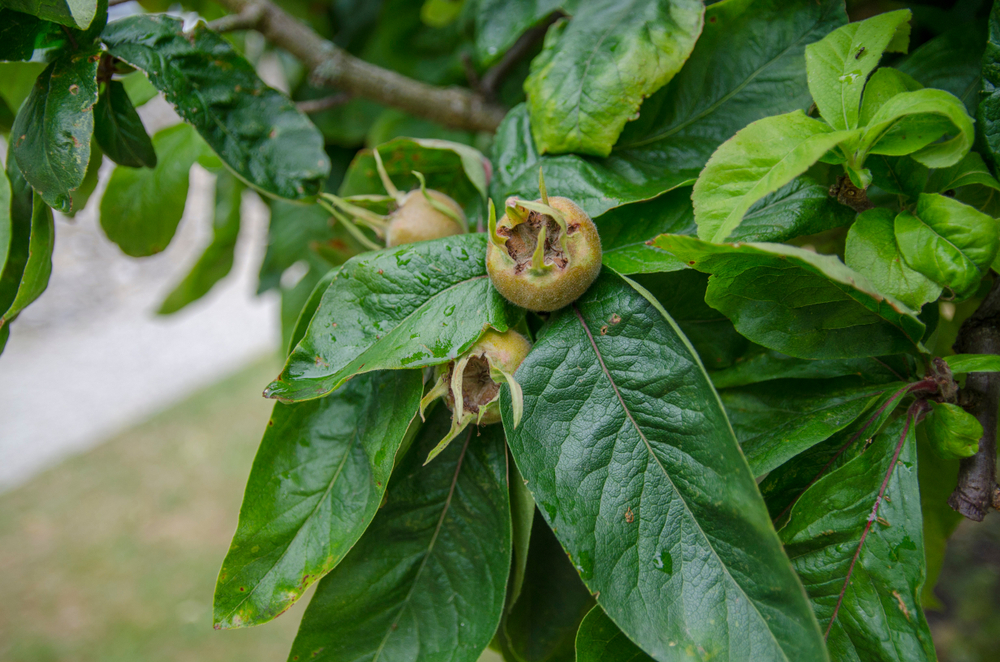
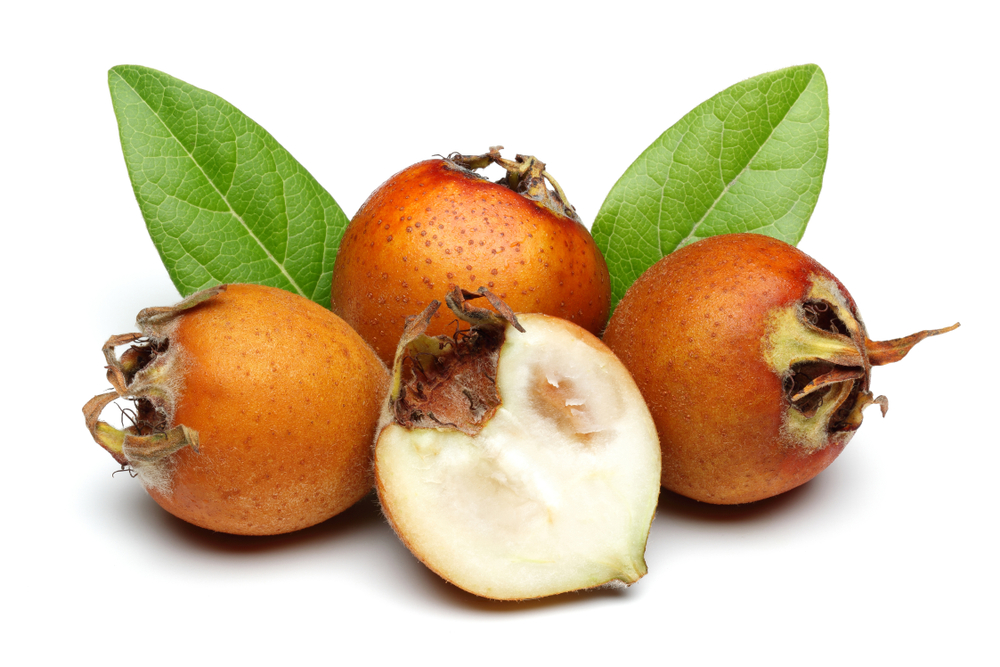
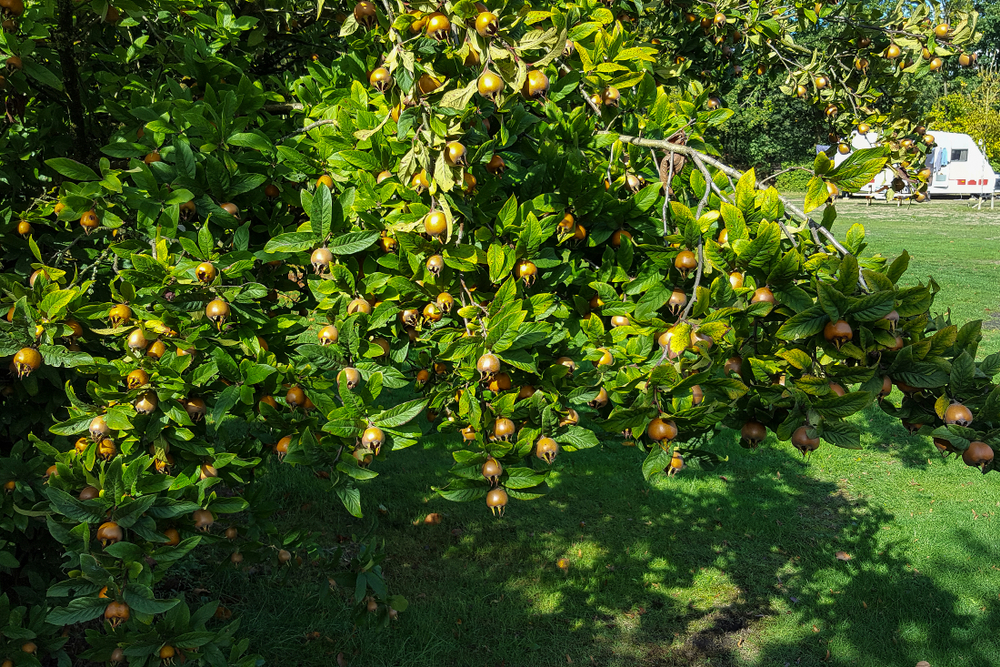
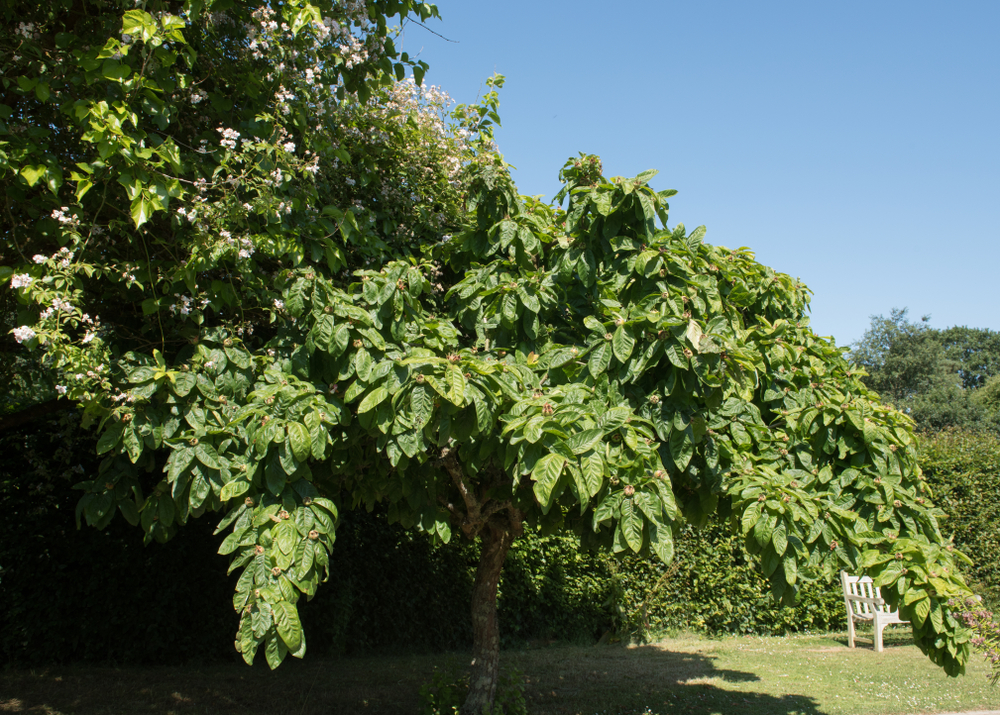
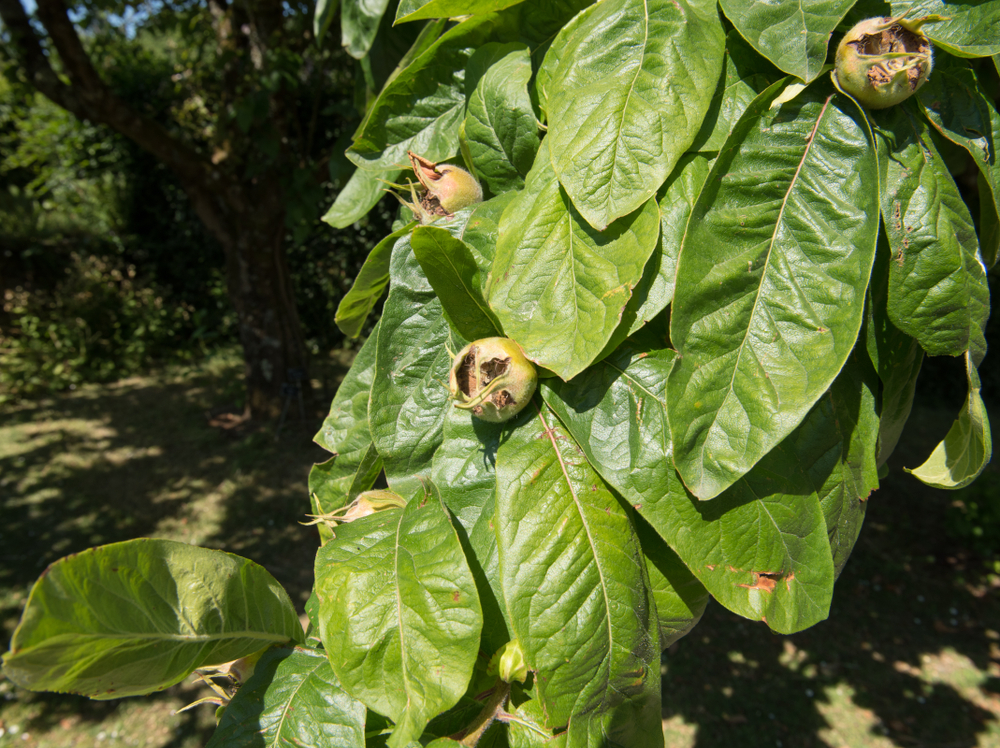
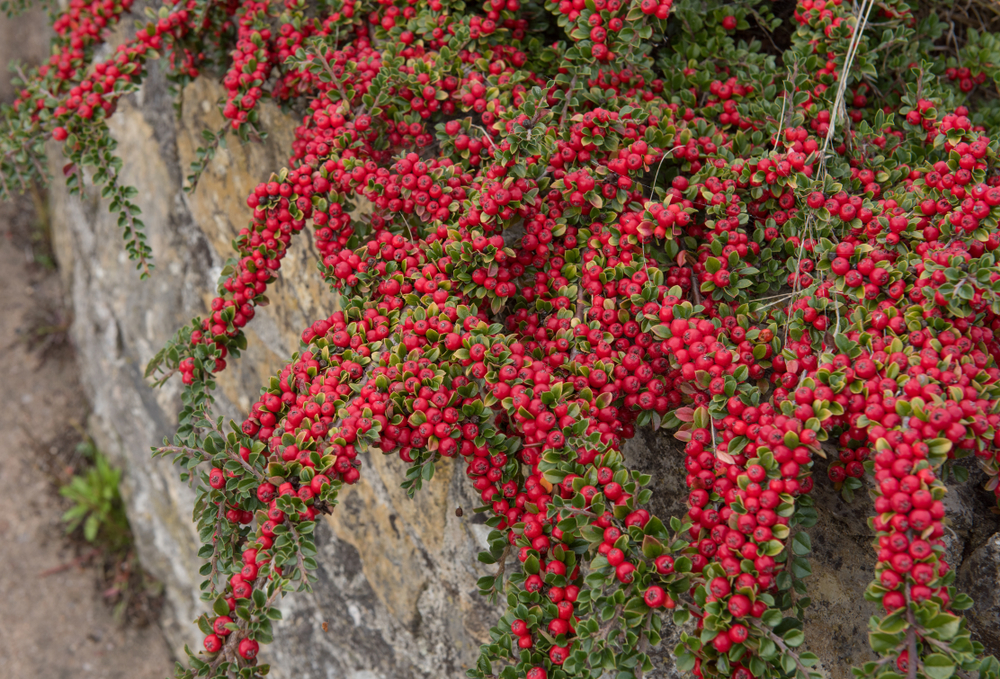
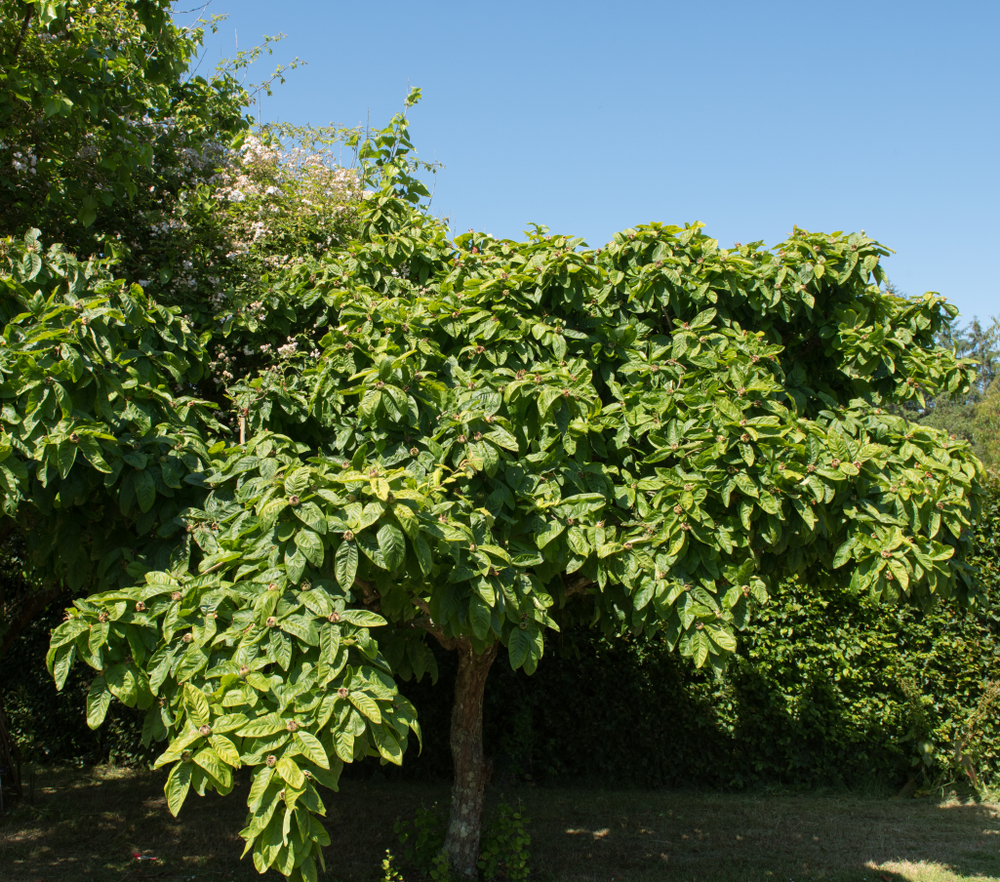
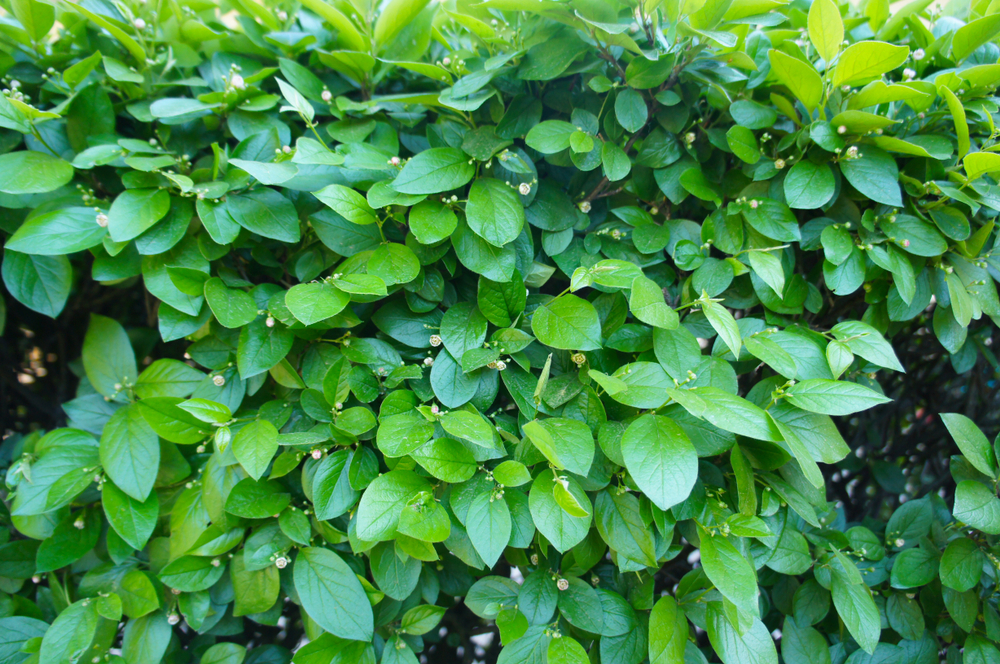
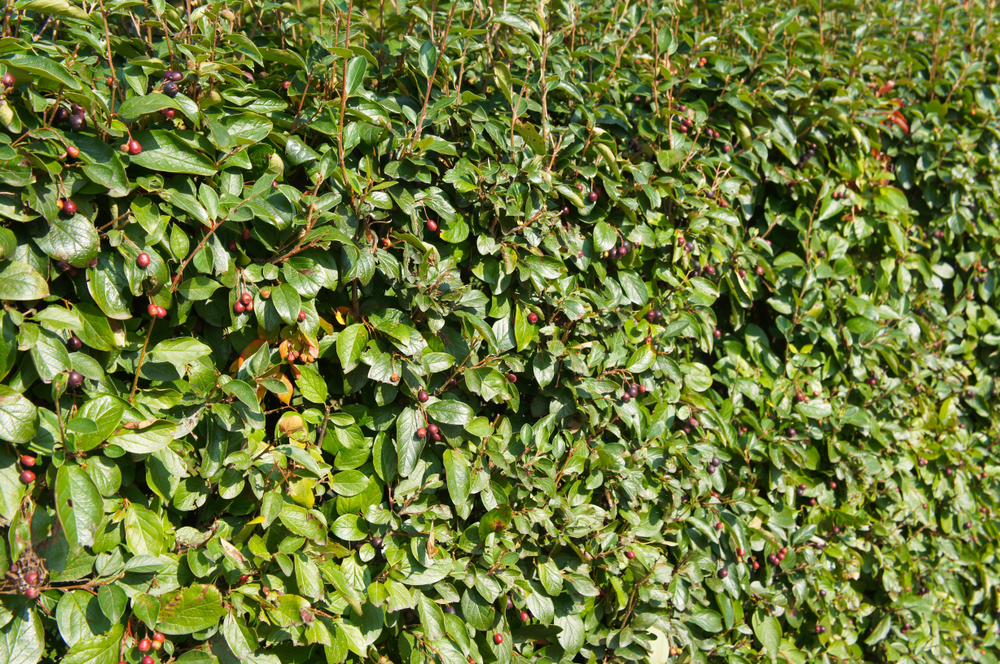
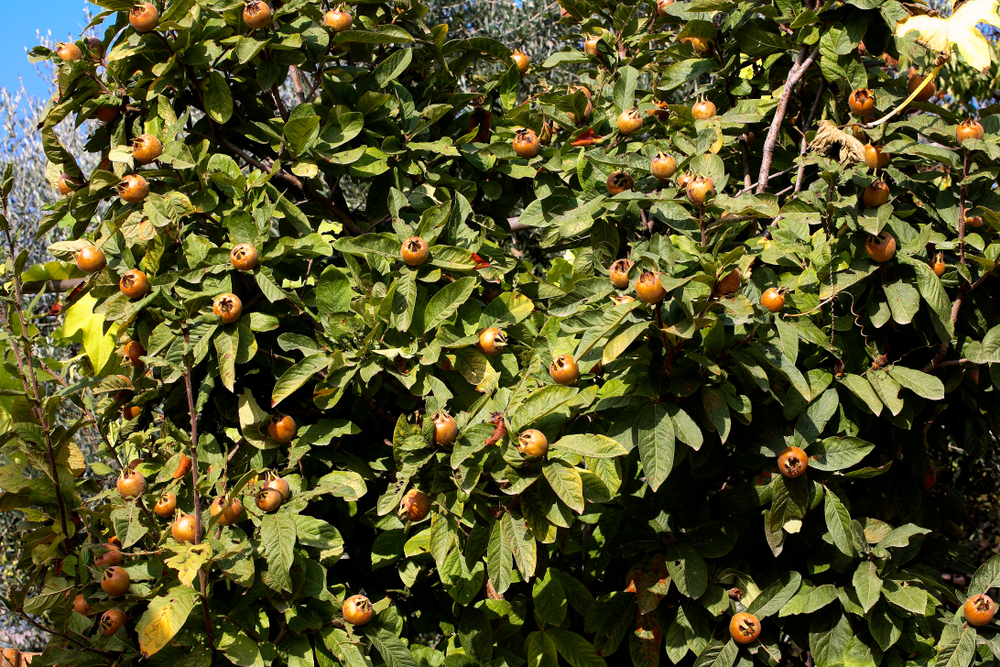
The Common Medlar (*Mespilus germanica*) has sadly become a bit of a rarity in modern gardens and parks; it’s definitely one of those “forgotten” heirloom plants. It belongs to the Rose family (*Rosaceae*) and is a very close relative of the Cotoneasters we see everywhere. In fact, Cotoneasters get their name because their berries look so much like miniature medlar fruits! There are tons of Cotoneaster varieties to choose from, but here are a few favorites:
- Cotoneaster horizontalis (Rock Cotoneaster): This one grows low and flat (up to about 3 feet high). It puts on a show with pinkish-white flowers in late spring and follows up with bright reddish-pink berries.
- Cotoneaster splendens (Showy Cotoneaster): A lovely rounded shrub that reaches 5 to 6 feet. You’ll see white and pale pink blooms in May and June, followed by orange fruits.
- Cotoneaster x watereri ‘Graendkjer’: If you need height, this upright shrub can hit 10 feet. It features white flowers in late spring and classic red berries.
You might also run into other varieties like the Fruit Medlar, the Tall Flowering Medlar, or the Gray Shrub Medlar.
The Mespilus Species: The “Real” Medlars
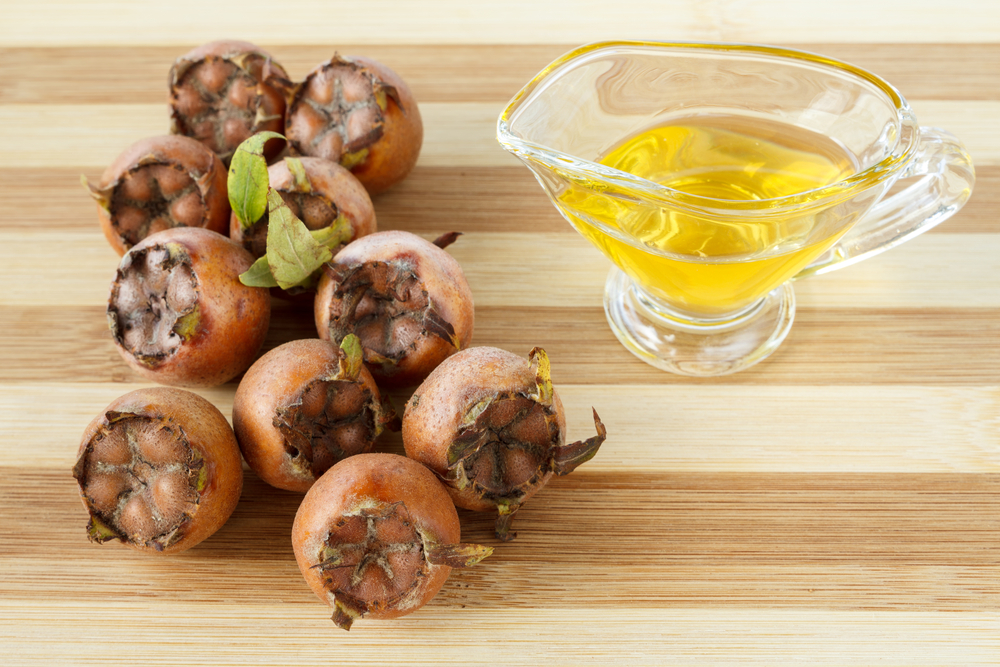
As I mentioned, the *Mespilus* genus (specifically *Mespilus germanica*) is what we call the Common or “True” Medlar. These trees are surprisingly low-maintenance when it comes to care and location. Plus, they produce large fruits that are a healthy, tasty treat during the late fall and winter. Within the *Mespilus germanica* species, there are four main types to look out for:
1. Mespilus germanica var. gigantea: Just like the name suggests, this variety is known for its impressively large fruit.
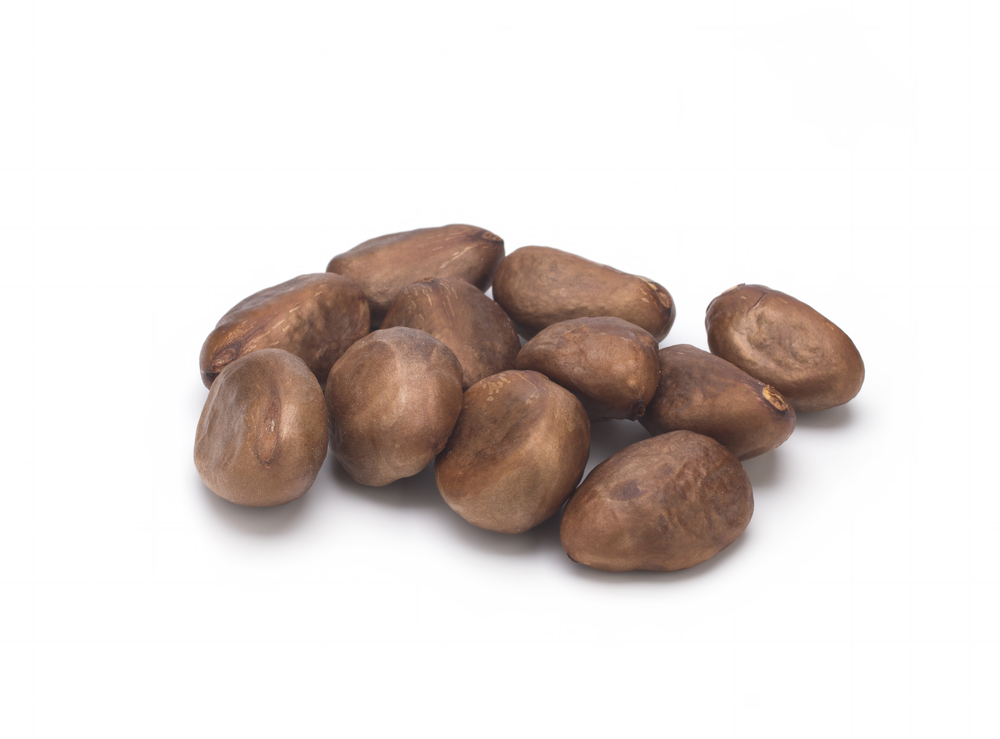
2. Mespilus germanica var. abortiva: This is a seedless variety, meaning the berries are sterile.
3. Mespilus germanica var. argenteo-variegata: A beautiful ornamental choice with white-variegated leaves that really pop in the garden.
4. Mespilus germanica var. aureo-variegata: Similar to the one above, but with striking yellow-variegated foliage instead of white.
If you’re looking for specific cultivars, keep an eye out for:
- “Royal” (also known as the King’s Medlar),
- “Hungarian,”
- “Dutch Medlar” (sometimes called the Dutch Giant),
- “Seedless,” or
- “Early Medlar.”