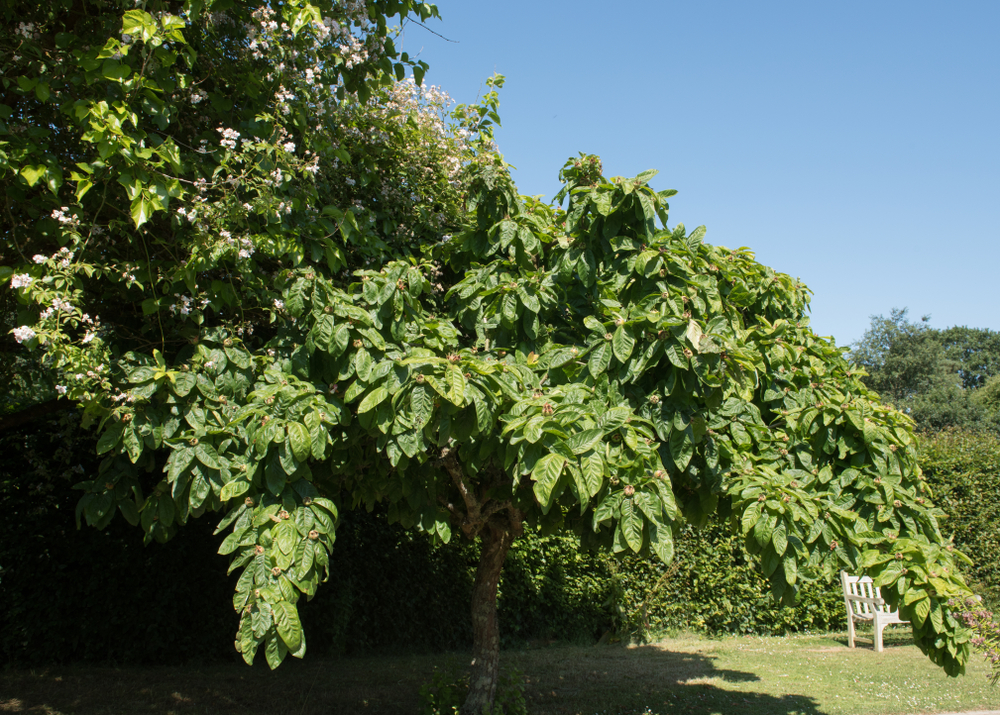
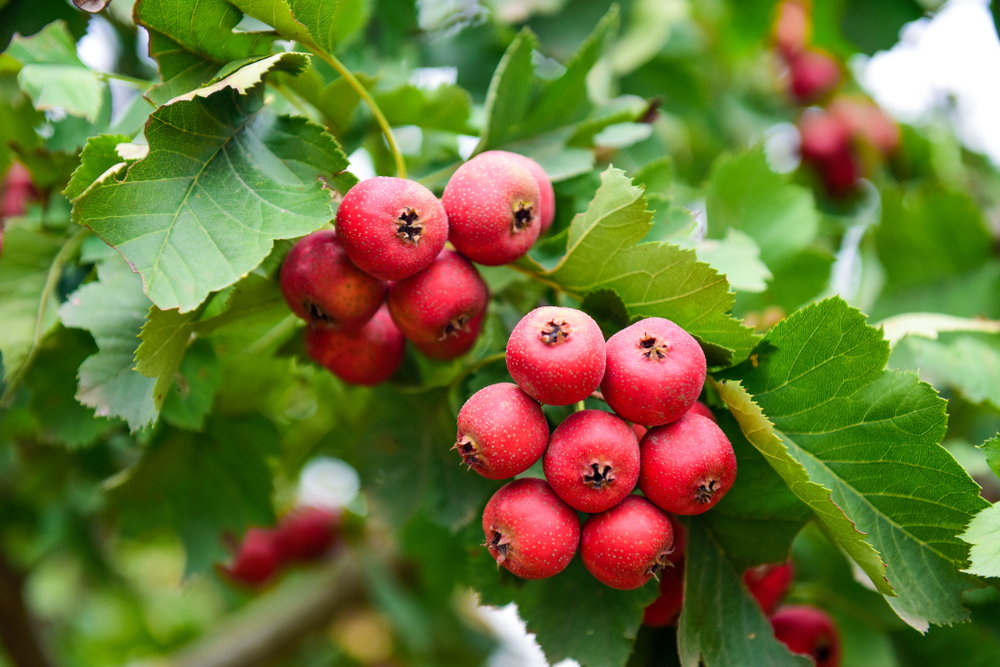
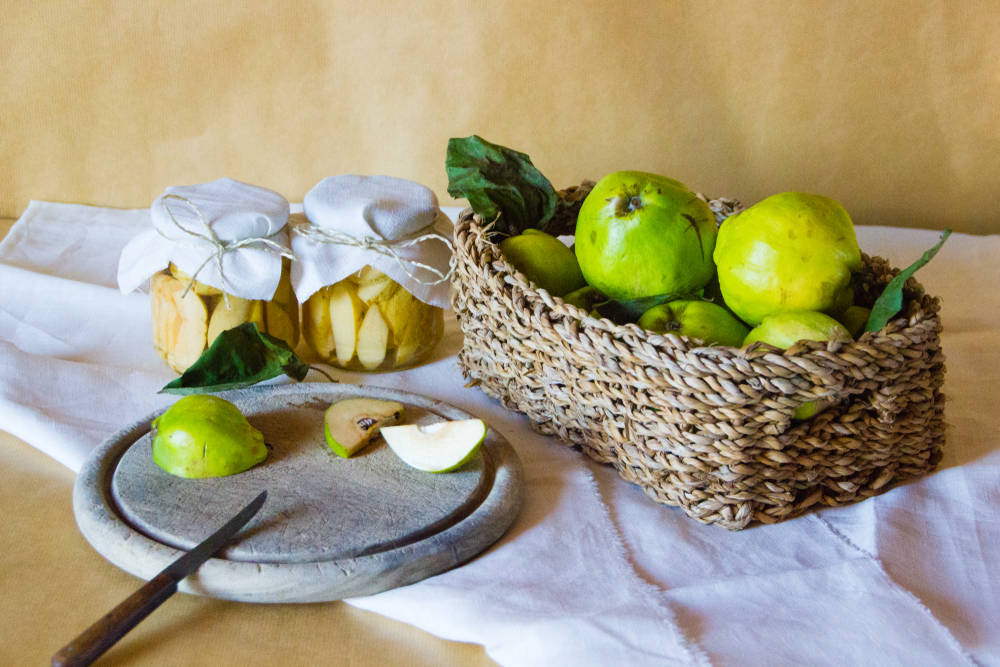
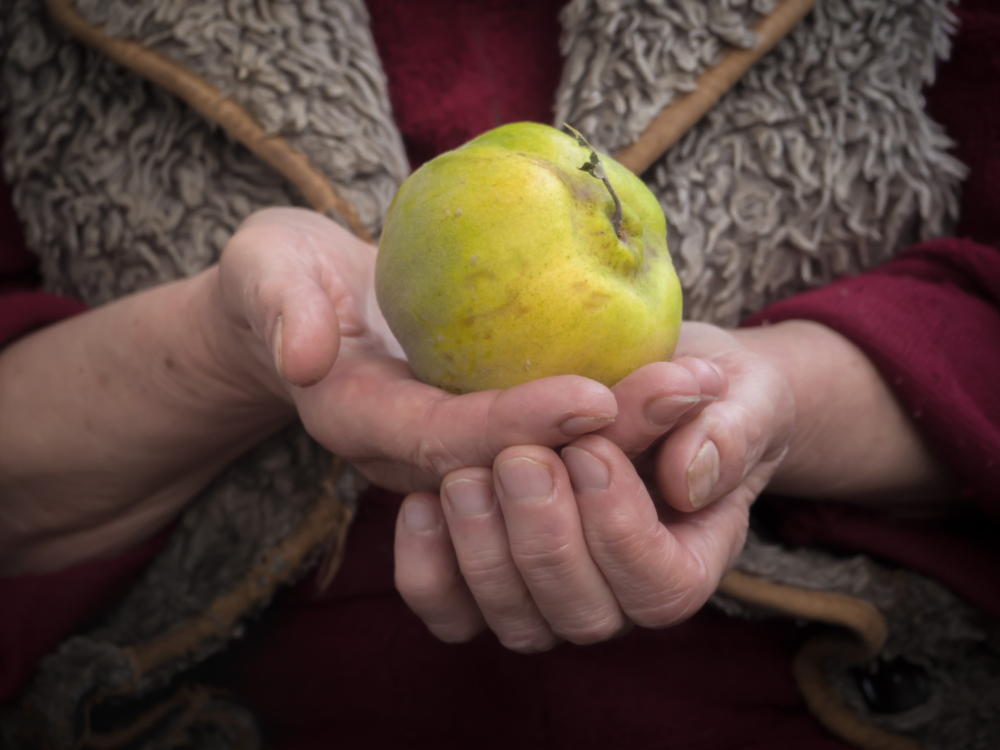
Let’s be honest: the medlar (Mespilus germanica) isn’t exactly the superstar of the produce aisle. It doesn’t have the fame of apples or pears, and you won’t find it in every backyard garden. But if you take a closer look at this unique fruit, you’ll find it’s anything but boring!
How to Spot a Medlar Fruit
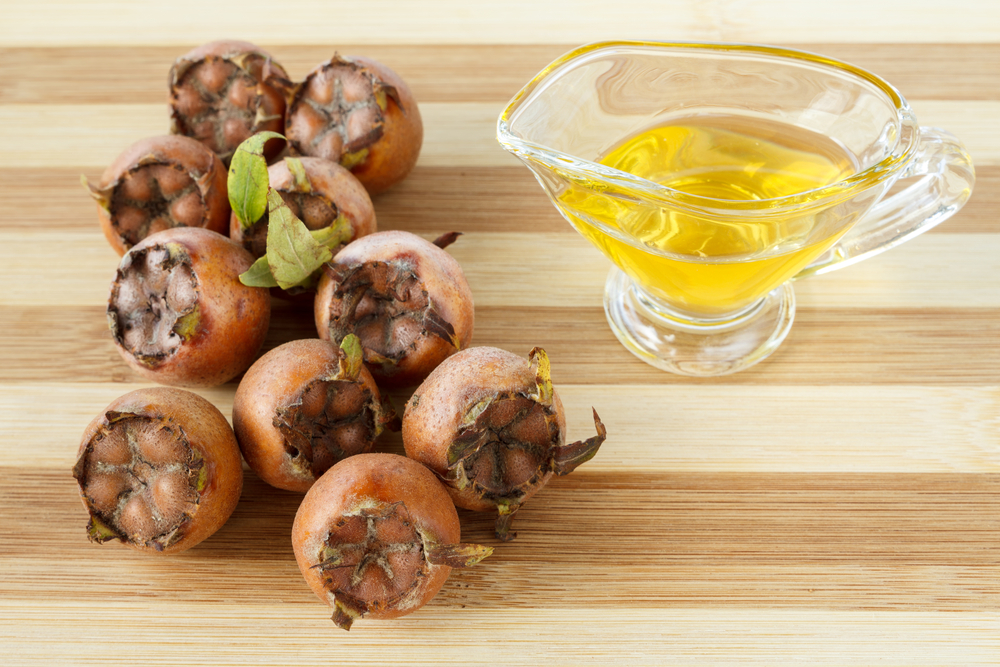
It’s hard to compare a medlar to any of our usual grocery store fruits. Some people call them “stone apples,” but they don’t actually look much like an apple. The nickname comes from the fact that before the first frost hits, the fruit is rock-hard and totally inedible.
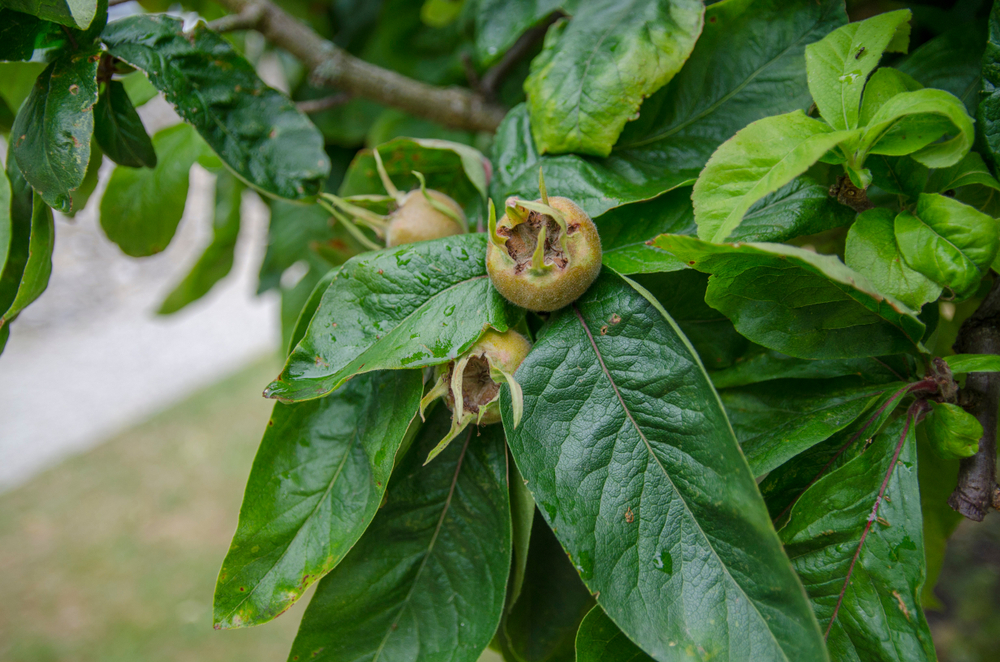
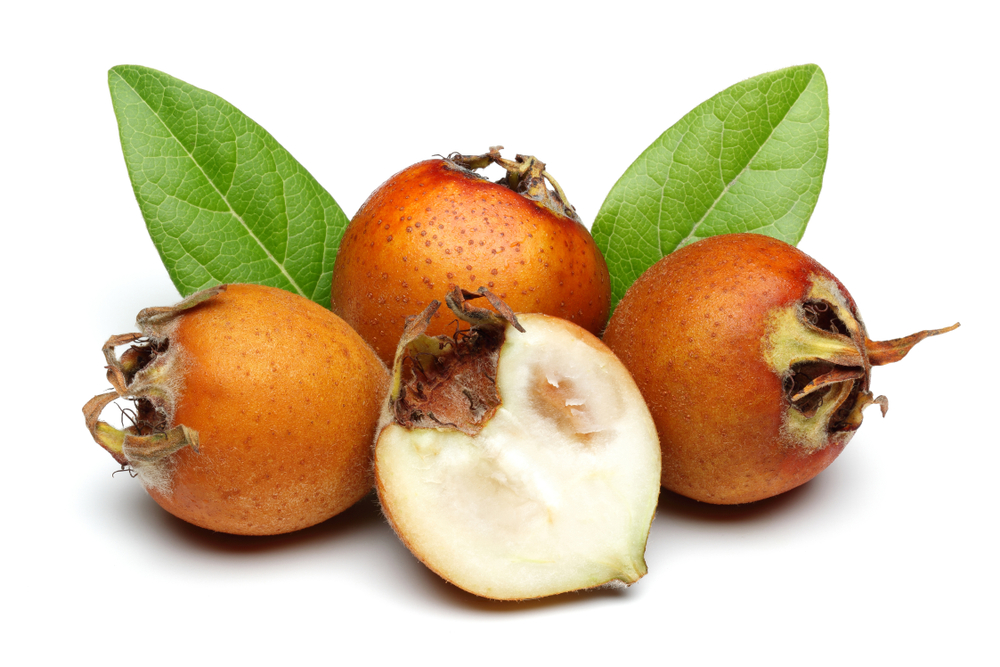
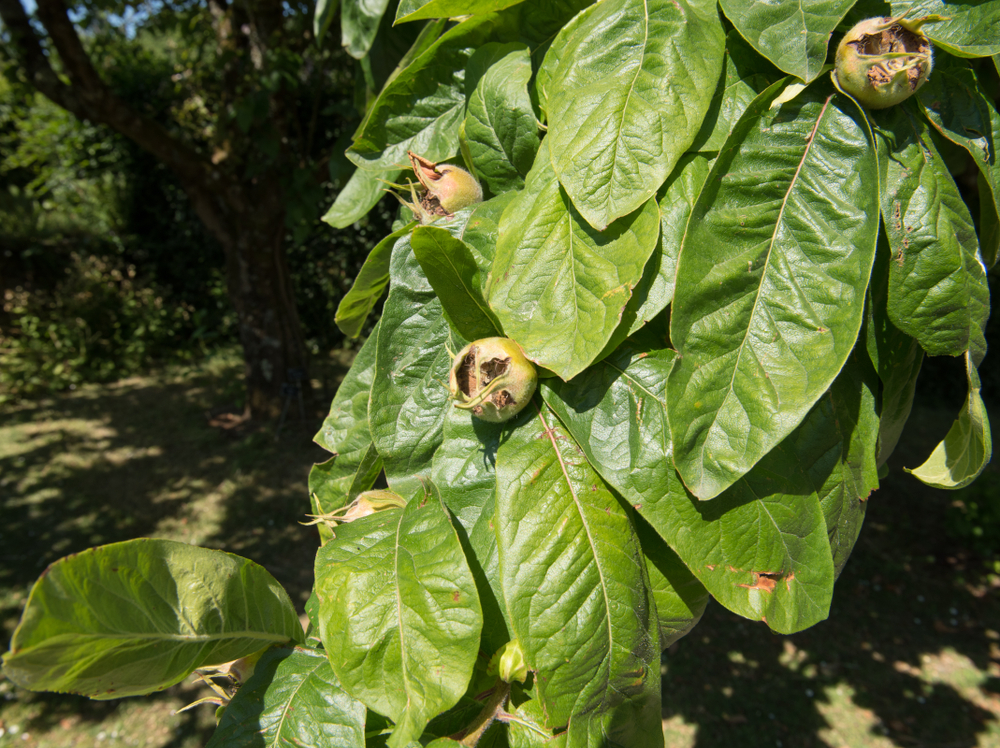
If you had to compare them to something, quinces are probably the closest relative, though medlars are much smaller. They have a fuzzy, brownish-yellow skin and very distinct sepals (those little leafy bits) that stay attached to the fruit long after the blossoms have faded.
When is Harvest Time?
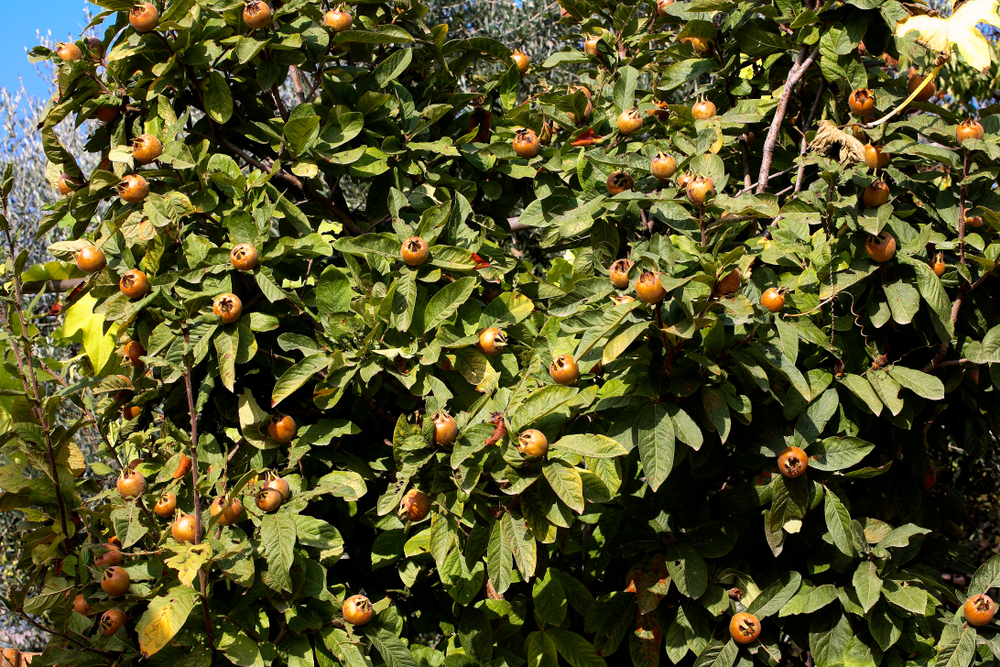
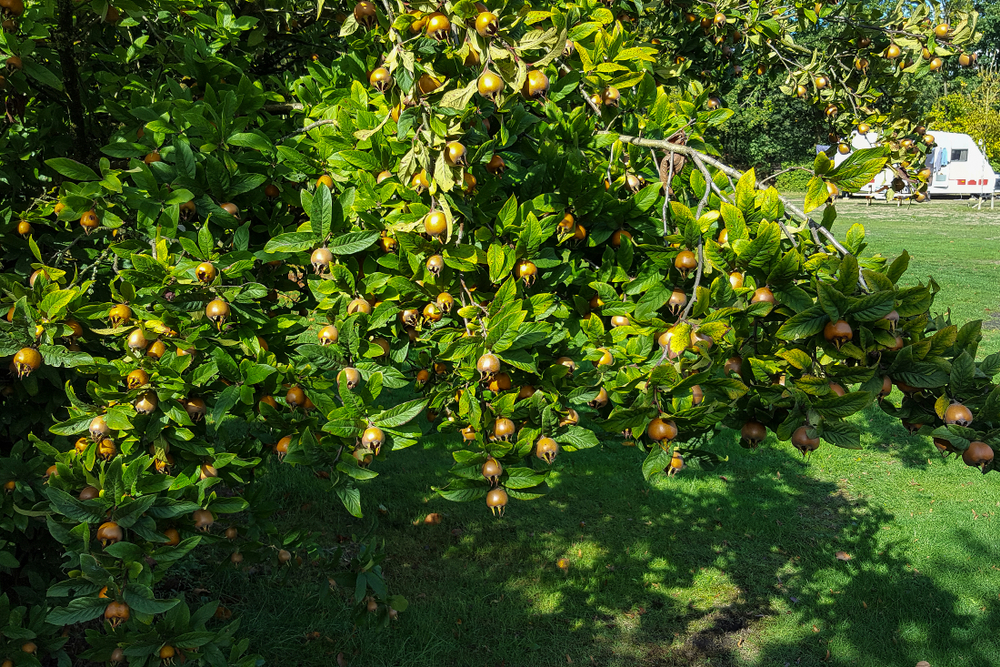
The sweet spot for harvesting medlars is usually between November and December. The golden rule? Wait for the first frost! Those freezing temperatures are actually a good thing—they soften the fruit and break down the tannins that make them bitter. Before the frost, they taste pretty harsh and leave a fuzzy, unpleasant feeling in your mouth.
You’ll know your medlars are ready when they are:
- Soft and slightly mealy,
- Doughy or mushy in texture (similar to applesauce),
- Sweet with a hint of tartness,
- And have a unique, nutty, slightly herbal flavor.
The taste is just as complex and interesting as the plant itself!
What Can You Do With Medlars?
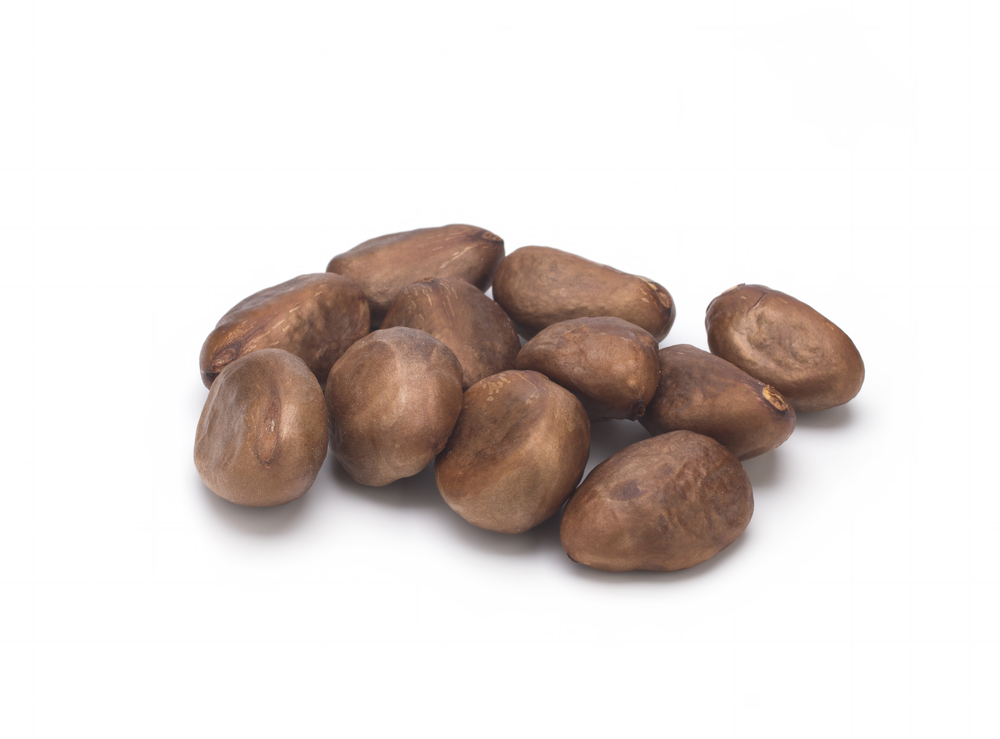
Inside the fruit, you’ll find hard seeds that are perfect for growing your own tree. Just remove the seeds from the ripe fruit, give them a “cold treatment” (stratification) by exposing them to winter temperatures, and plant them in the spring. Just a heads-up: you’ll need a little patience before you see a full-grown shrub!
As for eating them, don’t worry—medlars are definitely not poisonous. You can enjoy them raw or cooked. You can snack on them right off the tree once they’ve softened, or harvest a batch to make:
- Jams and jellies,
- Fruit butters or purees,
- Juice,
- Or even homemade fruit wine.
Medlars play really well with others, too. Try mixing them with apples, pears, quinces, or rose hips for a delicious compote or marmalade. Plus, they’re great for your health! While raw fruit has the highest nutrient density, even cooked medlars are packed with vitamins, minerals, and trace elements. They’re a fantastic immune system booster for the fall and winter months. Just keep in mind that once they’re ripe, they don’t stay fresh for long, so be sure to store them in the fridge!