At first glance, the buttercup seems like one of a kind. But if you look a little closer, you’ll notice traits it shares with about 2,500 of its relatives! Ever wonder what a “crowfoot” has to do with this cheerful yellow flower? Let’s dive into the fascinating world of the buttercup family.
The Buttercup is Part of the Crowfoot Family
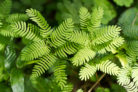
The buttercup (scientifically known as *Ranunculus acris*) gets its nickname “Tall Buttercup” or “Common Crowfoot” from the shape of its leaves, which look a lot like a bird’s foot. Since the entire family is known as the Ranunculaceae (or Crowfoot family), it’s no surprise that many of its cousins share this distinctive leaf structure. While there are some variations between species, that basic “crowfoot” shape is a family trademark.
Fun Fact:
Wondering where the name “buttercup” actually comes from? Back in the day, people used to use the dried yellow petals to color butter!
A Family Trait: Handle with Care
The common buttercup we see most often in our backyards is actually toxic when fresh—and that’s a trait it shares with the rest of its family members. The toxicity runs from the roots all the way up to the petals. The main culprits are substances called ranunculin and protoanemonin, which can cause nasty symptoms like nausea, vomiting, dizziness, or even paralysis if ingested. Interestingly, once the plant is dried out, these toxins break down and are no longer dangerous.
How to Spot a Buttercup in the Wild
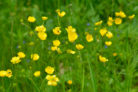
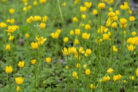
Buttercups love damp meadows, forest edges, roadsides, and thickets. They thrive in moist, nitrogen-rich soil with a bit of lime. Here’s what to look for if you’re trying to identify one:
- It’s a perennial that grows anywhere from 8 to 40 inches tall.
- The stems and leaves are smooth (hairless).
- The leaves are deeply lobed and serrated.
- They bloom from May through July.
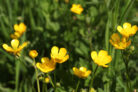
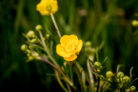
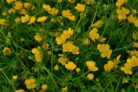
- The flowers have a signature shiny, golden-yellow gloss.
- Each flower is about an inch in diameter.
- From July to October, they produce small green nutlets.
Pro Tip:
In the symbolic language of flowers, the yellow buttercup represents prosperity and riches. A little hand-picked bouquet makes a sweet “good luck” gift for a friend. You can find more details in our buttercup profile.
Dandelions: The “Other” Buttercup
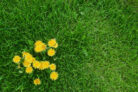
You’ll often hear people call dandelions “buttercups,” but they aren’t actually related! Dandelions belong to the Aster family (Composites). Unlike the true buttercup, dandelions are edible and completely non-toxic. While dandelions and true buttercups both sport bright yellow blooms, they are very different plants once you get to know them.