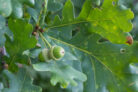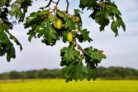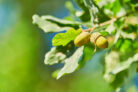
A mature oak tree can drop a massive amount of acorns every fall. These little powerhouses are a vital food source for local wildlife, but they’re also your ticket to growing brand-new oak trees right in your backyard. Here is everything you need to know about these iconic forest fruits.
When do acorns actually grow?
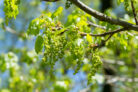
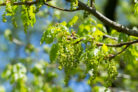
Acorns need plenty of time to hang out on the branches and ripen. Generally, once the blooming period wraps up, the ripe nuts start falling from the tree around September. If you’re looking to do some fall crafting or want to try your hand at growing a tree, that’s the perfect time to head out and start gathering them. Just keep in mind that these seeds need a bit of patience and a good winter chill before they’ll start to sprout.
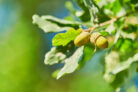
Acorn characteristics at a glance:
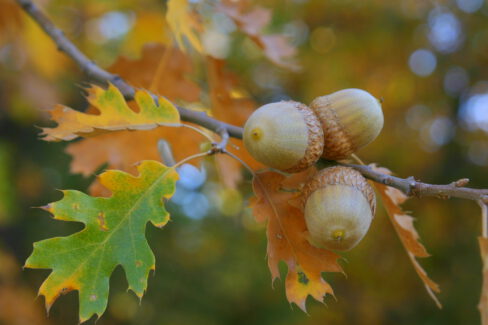
- Shape: Nut-like/oval
- Size: About 1 inch (3 cm)
- Color: Brownish
- Type: Cupule (the “cap”)
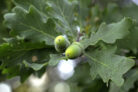
You can tell an acorn is fully ripe when it pops easily out of its little woody cap. At this stage, they should be a nice, solid brown. If you find one that’s still green and the cap is stuck on tight, it’s not quite ready for prime time yet.
Using acorns to grow your own oak tree
If you want to propagate an oak tree, the acorn is your best friend—you just have to prep it correctly. Acorns are “cold-stratified,” meaning they need a period of cold weather to trigger germination. You can do this the natural way by planting them in the ground before winter hits and checking for sprouts in the spring. Alternatively, you can put them in the refrigerator for a few months to mimic winter. Once they’ve had their “big chill,” the roots will emerge with an incredible amount of energy.
A quick heads-up: Acorns are packed with tannins. Eating them raw will cause some pretty nasty stomach issues for humans. Back in the day, people used to soak them in water for a long time to leach out those bitter tannins during food shortages. Once processed, they can be ground into flour or even used as a coffee substitute. However, animals like pigs have no trouble eating them raw, which is why they’ve been used as livestock feed for centuries!