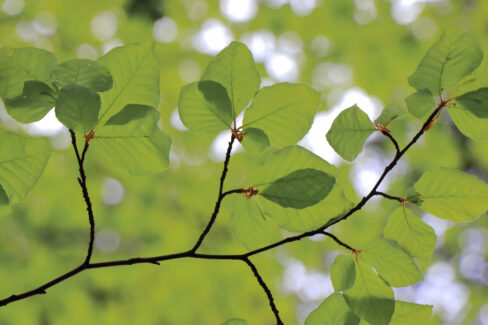
Whether you’re hiking through the woods, strolling through a local park, or just admiring a neighbor’s yard, chances are you’ve crossed paths with a Beech tree. But even though they’re everywhere, not everyone can spot one at a glance. Don’t worry, though—once you know what to look for, you’ll be a pro in no time.
Key Features to Look For
Eventually, you’ll be able to spot a Beech from a mile away without even thinking about it. But if you’re still getting used to the unique characteristics of this tree, you’ll want to focus on these two main parts:
You can also look at the overall size and where the tree is growing for extra clues. In the fall, that gorgeous golden-yellow foliage is another dead giveaway.
Checking Out the Trunk
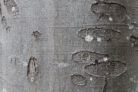
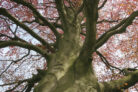
One of the best ways to identify a Beech is by its smooth bark. It’s much smoother than the Hornbeam, which people often confuse with the European Beech. (Fun fact: despite the name, the Hornbeam isn’t a true Beech at all—it’s actually part of the Birch family!) When a Beech is young, the trunk looks dark green, almost black. As it ages, it lightens up into a beautiful, sleek silver-gray.
Identifying the Leaves
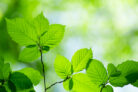
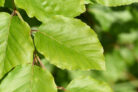
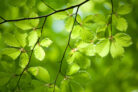
While different species have their own quirks, the common European Beech usually follows these rules:
- About 3 to 4 inches long
- Oval or egg-shaped
- Slightly wavy or jagged edges
- Smooth texture with clear veins
- Deep green in the summer
- Turning a brilliant orange-red starting in October
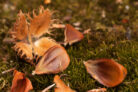
By comparison, Hornbeam leaves are smaller and just turn a simple yellow in the fall. Hornbeams also drop their leaves before winter, while Beech trees often hang onto their dried, brown leaves until spring arrives.
Quick Tip:
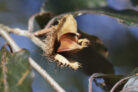
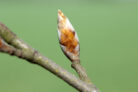
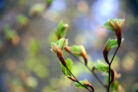
Did you know Beech leaves are actually edible? If you’re out in late April, try the fresh, young buds. They are super tender and add a bright, lemony tang to salads—kind of like sorrel!
Where They Grow and How Big They Get
In the wild, Beech trees love spots where they’re a bit sheltered by other trees. They thrive in warmer regions but can be found all over, though they tend to have a shorter lifespan in very cold northern climates. If a Beech has plenty of room to spread out, it’ll usually reach about 65 to 100 feet tall. However, if it’s competing for light in a dense forest, it can tower up to 150 feet!