Identifying oak trees isn’t always as straightforward as you might think! There are actually several different varieties of this iconic tree. To help you out, I’ve put together a guide on the most important features to look for. With these tips, you’ll be able to confidently identify the most common oak species found across the country.
Checking Out the Leaves
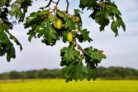
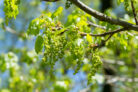
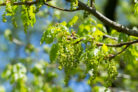
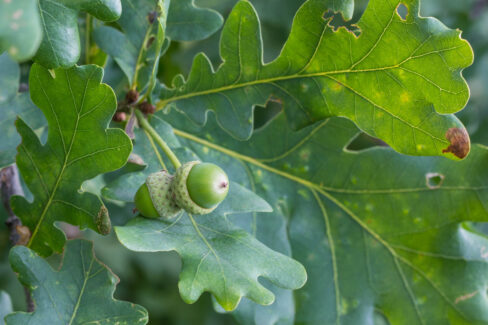
Oak leaves are famous for those distinct “lobes” (the wavy indentations), which make them pretty easy to spot. Depending on the variety, these lobes are either rounded or pointed and jagged. For example, Red Oak leaves have sharp, pointed tips and turn a beautiful reddish hue. On the other hand, White Oaks and English Oaks (often called the “German Oak” in Europe) sport classic green leaves with rounded lobes. One quirky thing about oaks? Their leaves turn brown and dry out in the fall, but they often cling to the branches all through the winter!
All About the Acorn
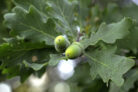
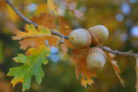
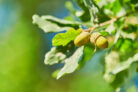
The acorn is probably the most recognizable part of the tree. These little guys start growing right after the oak’s flowering season. By September, the ripe acorns begin falling to the ground. Technically a nut, the fruit of the oak sits in a little woody cup attached to the stem. Once they’re fully ripe, they turn brown and pop right out of their cups.
Typical acorn characteristics:
- Shape: Nut-like/Oval
- Size: About 1 inch long
- Type: Capsule fruit (nut)
You can actually use these acorns to grow your own tree! Just a heads-up: they need a period of cold weather (stratification) and some time to germinate before they’ll sprout. You’ll need a bit of patience if you want to plant acorns and watch them grow. Also, don’t expect a “crop” right away—oaks usually don’t start producing their own acorns until they’re 20 or 30 years old. Until then, the tree puts all its energy into strengthening its roots and trunk.
Growth Patterns and the Trunk
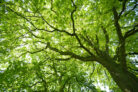
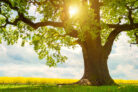
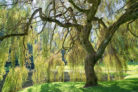
You can often identify an oak just by its silhouette. They are known for their “gnarled” look—the branches on an oak trunk tend to twist and turn in all directions, giving the tree a rugged, rustic vibe. These trees can reach massive heights and develop incredibly thick, sturdy trunks over time.
The bark is another great clue. On a young oak, the bark is smooth and light-colored. As the tree ages, the bark turns a deeper brown and develops deep ridges and cracks in a very distinctive pattern.