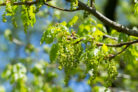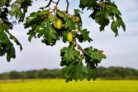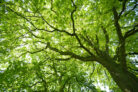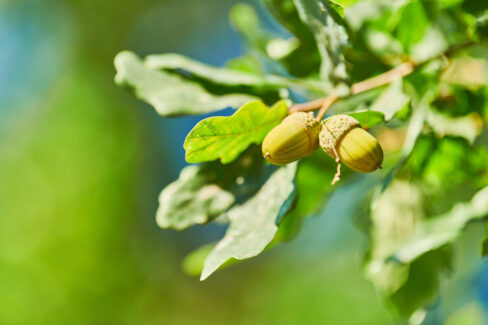
Getting to know the unique traits of the oak tree is the first step toward successfully planting and caring for one. Whether you’re a seasoned gardener or just starting out, understanding how these iconic trees grow and develop is key. Here’s a friendly breakdown of what makes the oak tree such a beloved staple in our landscapes.
Classification and Varieties
Did you know there are several hundred species of oaks worldwide? While they all have their own unique flair, they share some core family traits. Botanically speaking, oaks belong to the beech family (*Fagaceae*). They are among the most widespread deciduous trees on the planet, loved by gardeners for that classic, rugged look.
In our neck of the woods, these are the varieties you’ll run into most often:
- English Oak (or Pedunculate Oak)
- Sessile Oak
- Downy Oak
- Pin Oak
How Oaks Grow
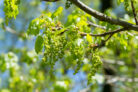
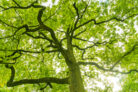
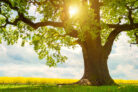
Oaks are the marathon runners of the tree world—they can live for centuries and eventually grow into massive, majestic giants. In their early years, they put all their energy into establishing a strong trunk, deep roots, and a sturdy crown. Don’t expect to see any flowers right away, though; it usually takes a few decades for an oak to reach blooming age.
- Potential Age: 600 to 1,500 years (some even longer!)
- Height: Generally around 130 feet, depending on the variety.
- Width: They are famous for developing incredibly thick, sturdy trunks.
Not every oak is a skyscraper, though! There are smaller varieties perfect for compact gardens or even large containers. And if you’re short on space but love the look, you can even grow an oak as a bonsai, keeping it the size of a typical houseplant.
Seeds and Fruit: The Mighty Acorn
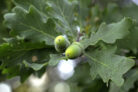
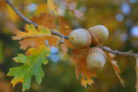
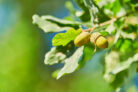
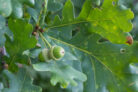
We all know and love acorns! They’re not just great for fall crafts; they’re the key to growing your own oak tree. Each acorn contains one or two seeds. With a little patience and the right care, these little nuts can easily sprout into a brand-new tree.
- Acorn Production: Starts after the tree is a few decades old.
- Germination: Acorns stay viable for a while, so you don’t have to plant them the second they hit the ground.
- Color: Varies depending on the specific oak species.
The Perfect Spot: Where to Plant
Oaks are pretty low-maintenance and hardy enough to handle even mediocre soil. However, if you want your tree to reach its full, “king of the forest” potential, you’ll want to keep a few things in mind:
- Sunlight: Oaks are sun-lovers and need plenty of light to thrive.
- Space: Give them room to breathe! They need a good distance from other plants.
- Soil pH: They aren’t picky—acidic, alkaline, or neutral soils are all fine.
- Soil Texture: Loose soil is best so those roots can dive deep.
The Root System
An oak’s root system is its lifeline, providing stability and nutrients. They start out as “taprooters,” sending a main root straight down deep into the earth. Over time, they develop a “heart” root system, where finer roots spread out horizontally as well. Because of this, it’s vital that the soil below is loose enough for the roots to push through.
- Root Type: Taproot transitioning to a heart root system.
- Soil Needs: Loose, uncompacted soil is a must.
- Nutrients: They especially love loamy, nutrient-rich soil.
- Water: Keep them well-watered, but make sure the area drains well—oaks hate “wet feet” (standing water).
Oak Bark: The Tree’s Armor
The bark is the tree’s protective shield, so it’s important to avoid deep nicks or damage. If the bark does get hurt, using a wound sealant is a smart move. While you can prune an oak when necessary, keeping the bark healthy is priority number one. You’ll notice the bark changes quite a bit as the tree ages:
In its youth, an oak has smooth, thin, light gray bark. As it matures, it develops thick, rugged “bork” with deep, characteristic furrows and turns a darker brown.
If you notice unusual damage to the bark, keep an eye out—it could be a sign of pests or disease. Catching these issues early is the best way to save a struggling tree.
Common Pests and Diseases
Even tough oaks can get sick. You’ll usually spot trouble by looking at the bark or noticing weird spots on the leaves. As long as your tree is in the right location and you act fast, most issues can be managed.
Common diseases include:
- Canker
- Oak bracket (fungus)
- Powdery mildew
Common pests to watch for:
- Oak processionary moth
- Two-lined chestnut borer
- Green oak tortrix moth