It’s a real bummer when your beautiful oleander starts showing brown, crispy leaves and dried-out stems. There are actually a few different reasons why this happens, but don’t panic just yet! I’m going to walk you through the most common culprits and give you some pro tips on how to nurse your plant back to health.
Possible Causes for Dryness
If your oleander is sporting brown leaves or stems that are so dry they’re ready to drop off, you’re likely looking at one of two main issues:
- Improper care during the winter dormancy period
- A nasty case of dry rot (Ascochyta blight)
Winter Care Tips
Oleanders are notoriously thirsty plants, and they need a steady supply of water to stay happy. A common mistake is forgetting to water them during their winter nap. The amount of water they need depends on how warm your winter storage area is, but as a general rule of thumb, you should give them a drink at least once a month.
Just be careful not to go overboard! Overwatering can lead to root rot, which actually chokes off the water supply to the rest of the plant, causing the top to dry out anyway. It’s all about that balance.
Dealing with Dry Rot
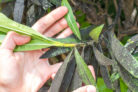
A very common issue that pops up during or right after winter storage is “dry rot.” It looks exactly like it sounds: brown leaves, brittle stems, and a generally parched appearance.
If the damage is only on the branches, you can usually save the plant by pruning the affected stems back until you hit healthy, green wood. However, if the infection has reached the roots, it’s often game over. In that case, it’s best to toss the plant to prevent the fungus from spreading to your other garden favorites. Just a heads-up: don’t put infected plants in your compost pile! Bag them up and put them in the regular trash or green waste bin instead.
How to Save a Dried-Out Oleander
If your oleander is looking rough, the first step to a comeback is a radical pruning. Don’t be shy—cut the entire plant back to just a few inches above the soil line. While you’re at it, check the root ball and trim away any brown, mushy, or dead roots. Once you’ve cleaned it up, repot your oleander into a fresh pot with high-quality soil.
After that, it’s a waiting game. Keep a close eye on it, and if you see new green shoots starting to poke through, your oleander is on the mend and successfully recovering from its dry spell!