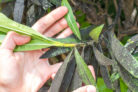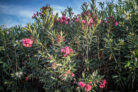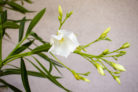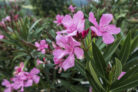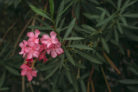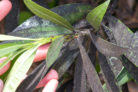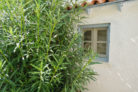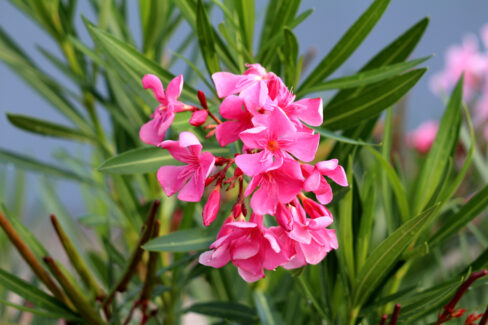
Oleander leaves are usually famous for being lush, green, and glossy. But it’s actually pretty common to see them turn brown, dry out, and eventually drop off. If your plant is looking a little crispy, don’t panic! We’re going to dive into the most likely culprits and how you can fix them.
Common Reasons for Dry Oleander Leaves
The reasons for brown and dried-out leaves can vary, but most of the time, it boils down to two main issues:
- Improper watering (especially during the winter months).
- A nasty fungal infection known as Ascochyta blight (dry rot).
Watering Woes: Too Much or Too Little?
Oleanders are “heavy feeders,” meaning they need plenty of water and nutrients to stay happy. If they don’t get enough water, the leaves are the first things to suffer—they’ll turn brown and brittle because the moisture just isn’t reaching them.
Make sure you’re watering your oleander regularly and deeply. On those scorching summer days, you might even need to water them a few times a day! And don’t forget about watering during the winter. While they don’t need nearly as much water during their dormant phase, you should still give them a drink about once a month while they’re in winter storage.
On the flip side, “too much of a good thing” can also cause brown leaves. If the roots sit in water for too long—especially during winter—they can rot. Once the roots are damaged, they can’t pump water up to the rest of the plant anymore. Ironically, your plant ends up drying out because the roots are too damaged to “drink.”
Dealing with Dry Rot (Ascochyta Blight)
Another common culprit for brown, crispy leaves is dry rot. This is a fungal disease caused by spores that usually strikes during or right after the winter dormancy period. When this hits, it’s not just a few leaves—the whole plant starts to look like it’s parched and dying.
If the infection is just on the upper parts of the plant, like the stems and leaves, you can usually save it by pruning. Cut the affected branches back until you reach healthy, green wood. However, if the fungus has made its way down into the roots, it’s often too late. Once the root system dies off, the whole plant will unfortunately follow suit.