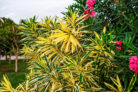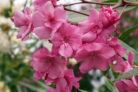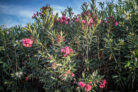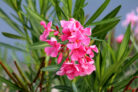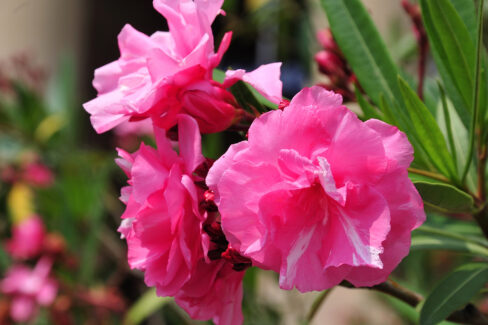
Oleanders are classic evergreen beauties, which means they usually keep their lush foliage all through the fall and winter. However, if you notice your oleander starting to drop its leaves during the summer, don’t panic just yet!
Oleanders are Evergreens
By nature, oleanders are evergreen plants. They aren’t like deciduous trees that go bare in the fall; they’re designed to hold onto those long, leathery leaves year-round.
Why is My Oleander Losing Leaves?
If your plant is shedding, there are a few common culprits behind it. Usually, it boils down to one of these:
- Natural aging (the plant is just refreshing itself),
- Mistakes in watering or feeding,
- Or, in some cases, pests and diseases.
The Natural Aging Process
First off, not every fallen leaf is a sign of a “plant emergency.” Oleanders actually go through a natural renewal cycle about every two years. They’ll ditch their old leaves to make room for fresh new growth. During this time, it’s totally normal for older leaves to turn yellow before they finally drop off.
If you’re having a particularly scorching, dry summer, your oleander might even drop a large amount of leaves all at once. As long as the plant looks healthy otherwise, this is often just part of its natural replacement process.
Watering Woes
The number one mistake that leads to leaf drop is dehydration. Oleanders are “thirsty” plants—they have a high metabolism and need a ton of water to thrive. You’ll want to water them regularly; during a heatwave, that might even mean giving them a soak multiple times a day.
Don’t forget about them during the winter, either! While they don’t need nearly as much water in the cold months, a good drink once a month is usually necessary to keep them happy.
On the flip side, while oleanders actually handle “wet feet” (standing water) better than most plants, you can still overdo it. Try to provide a little shelter during heavy rainstorms to prevent the soil from becoming completely waterlogged for too long.
Nutrient Balance
It’s not just about the water; your fertilizing routine matters too. If your oleander isn’t getting the right nutrients—or if it’s getting too many—it might protest by dropping yellow leaves. Regular feeding is a must for these heavy hitters, but be careful not to over-fertilize. If you’re using a liquid fertilizer, always stick to the dosage recommended on the label.
Pests and Diseases
Finally, if your leaves are falling off, it could be a red flag for pests, diseases, or fungal infections. Give your plant a good once-over to check for any uninvited guests or fuzzy growth. Keep a special eye out for “dry rot,” which often shows up during or after winter storage. This can cause leaves to dry out completely and fall off in droves.