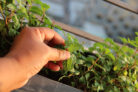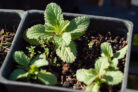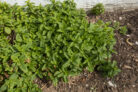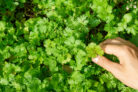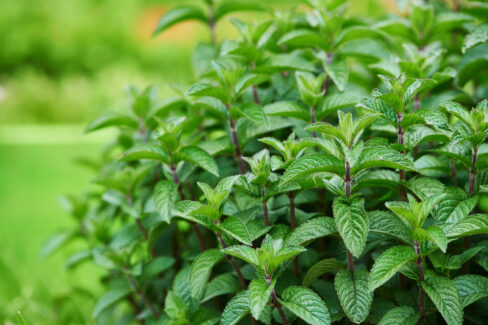
Peppermint was first discovered back in 17th-century England, and we’ve been finding new ways to use it ever since! This hardy little herb is a breeze to grow, whether you’ve got a sprawling garden bed, a sunny balcony, or just a few pots on your patio.
Peppermint at a Glance
If you’re looking for the quick facts on this garden favorite, here’s everything you need to know about its botanical roots and growing habits:
- Botanical Name: Mentha x piperita
- Family: Lamiaceae (Mint family)
- Varieties: Up to 14 varieties and several fun hybrids, like Strawberry Mint, Pineapple Mint, and even Chocolate Mint!
- Genus: Mentha
- Origin: A happy accident discovered in England
- Native Habitat: Temperate climates across the Northern Hemisphere
- Growth Habit: Herbaceous perennial with underground runners (rhizomes); it loves to spread!
- Height: Up to 3 feet in the ground, usually shorter in containers
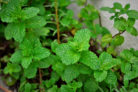
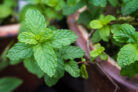
- Leaves: Long and oval with serrated (toothed) edges
- Leaf Color: Lush green, though some varieties can be almost white
- Stem: Smooth with very fine hairs
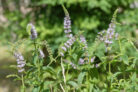
- Flowers: Small, spiked clusters of white-red or violet blooms
- Bloom Time: June through August
- Lifespan: Perennial (comes back every year)
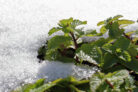
- Hardiness: Very cold-hardy, though it appreciates a little winter mulch during deep freezes
Benefits and Uses
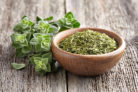
The real stars of the show are the aromatic, healthy leaves. For the best flavor, try to get your first harvest in the spring before the plant starts to flower. That’s when the essential oils are most concentrated, making for a delicious, refreshing cup of tea. Here’s what’s packed inside those leaves:
- Essential Oils: About 50-80% menthol
- Monoterpenes: Roughly 5%, known for their mood-boosting properties
- Flavonoids: Up to 10%, which offer antibacterial benefits
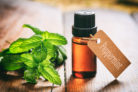
It’s no wonder mint is a staple in so many homes! Beyond tea, it’s a fantastic herb for seasoning desserts or adding a fresh kick to savory meat and fish dishes. Plus, those essential oils are a natural powerhouse for wellness—they’re often used to help with colds, tummy troubles, IBS, and even muscle or nerve pain. Peppermint oil is also a go-to for soothing tension headaches, and as a bonus, the scent helps keep mosquitoes and flies away!
Location and Soil
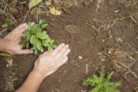
If you’re ready to start your own mint patch, look for a spot in your garden that gets partial shade and is warm but protected from harsh winds. Mint actually loves the dappled shade under tall trees. If you’re a container gardener, it does perfectly well in pots or window boxes on a shaded, sheltered balcony.
To keep your peppermint happy, use nutrient-rich garden soil or a high-quality potting mix for herbs. One pro-tip: give it some space! Mint doesn’t always play well with others in the same family, and it particularly dislikes being neighbors with chamomile.