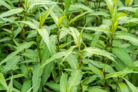
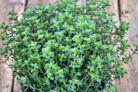
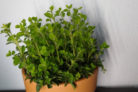
Basilica originally hails from the tropical and subtropical regions of India, where winter frosts are basically unheard of. Because it loves the heat so much, trying to keep it alive through a chilly northern winter means one thing: it’s gotta come inside! Here’s the lowdown on how to keep your basil happy until spring.
A Quick Guide to Basil Varieties for Overwintering
Most of us are familiar with Genovese basil—it’s that classic variety you see in every grocery store. While delicious, it’s actually pretty short-lived and meant to be used quickly. If you’re looking for a plant that handles indoor life better, “Bush Basil” (or perennial varieties) is the way to go. They come in all sorts of cool flavors and looks:
- African Green: Super aromatic with lovely little white flowers that are actually edible!
- African Blue: This one is a powerhouse. It’s robust, grows fast, and has a unique flavor profile with hints of camphor and anise.
- Mammoth Basil: Living up to its name, this variety gets huge. It features striking red stems and a subtle cinnamon flavor.
- Kiliman: Another vigorous grower. If you give it the right TLC, you can enjoy this perennial for several years.
- Thai Basil: Famous for its sturdy leaves and beautiful purple flowers, it’s a must-have for Asian cuisine.
The Perfect Setup
Basil is a total sun-worshiper. To keep it growing strong , it needs plenty of light and warmth. Even at night, you don’t want the temperature to dip below 60°F (15°C). If it gets too cold, the plant will just stop growing, making it way more vulnerable to pests and diseases. And frost? That’s a definite dealbreaker. Whether it’s on a sunny windowsill, in a greenhouse, or out in the garden, the key is consistent moisture and plenty of nutrients.
How to Overwinter Your Basil
If your basil has been living out in the garden soil, you’ll want to move it into a pot around mid-September as the temperatures start to drop. Carefully dig up the plant with a spade, making sure to keep the root ball intact. Pick a pot that’s just slightly larger than the root ball, settle the plant in with some fresh potting soil, and press down firmly to get rid of any air pockets.
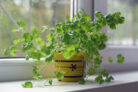
For plants that are already in pots indoors, don’t worry about repotting them right before winter. During the colder months, your basil won’t need nearly as much water or fertilizer. A heated sunroom is the “gold standard” for overwintering , but any bright room that stays between 60-68°F (15-20°C) will work just fine. Just make sure it gets as much natural light as possible!
You don’t *have* to prune your basil before winter, but if the plant is looking really bushy, a little trim can help with airflow. Dense foliage in the winter can sometimes lead to rot or unwanted pests.
Pro Tip: If you do decide to prune, don’t let those clippings go to waste! You can dry the sprigs or preserve them in olive oil for a taste of summer all winter long.