title: Are Goji Berries Winter Hardy or Sensitive to Frost?
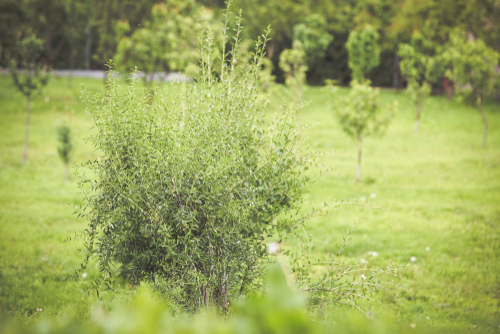
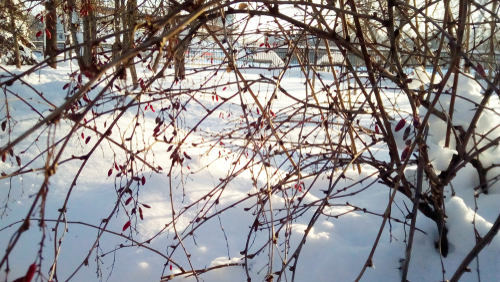
Generally speaking, mature goji berry plants handle freezing weather like champs and are considered very winter-hardy shrubs. However, it’s a different story for young plants or those growing in pots. In those cases, you’ll need to step in with some frost protection to keep them happy.
How cold can goji berries actually get?
Established goji berries can withstand temperatures as low as -13°F (-25°C), which makes them a great fit for growing in most US climates. A shrub is usually considered “mature” once it has been in the ground for three years. One thing to watch out for, though, is waterlogging. If the soil stays too soggy over winter, it can be fatal for the plant. Excessive moisture also invites diseases like downy mildew.
Under certain conditions, your goji berries might need to overwinter somewhere warm or get a little extra insulation. This applies to:
- Freshly propagated cuttings
- Young plants
- Container-grown shrubs
How do you overwinter seedlings and young goji berries?
If you’ve just started your goji berry journey through propagation, those little guys should spend their first winter on a sunny windowsill. To combat dry indoor heating, you can use a mini greenhouse or simply pull some clear plastic wrap over the pot. Just remember to vent them daily so you don’t run into mold issues!
When it comes to planting young goji berries outdoors, spring is your best bet. This gives them plenty of time to get settled into their new location before the cold hits. For that first winter outside, it’s essential to mulch the base of the plant. A thick layer of mulch acts like a cozy blanket, keeping ground frost away from those tender young roots.
Why aren’t potted goji berries winter-hardy?
Because they are more exposed, the roots of container plants are much more vulnerable to freezing temperatures. Without a little help, a goji berry in a pot will likely suffer some damage. To protect them, wrap the pot in an old blanket, garden fleece, or bubble wrap. You should also cover the soil with mulch or dried leaves. Another pro tip: place the pot on a piece of Styrofoam or a wooden pallet to break the direct contact with the freezing ground.