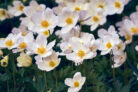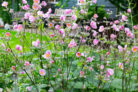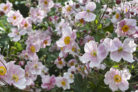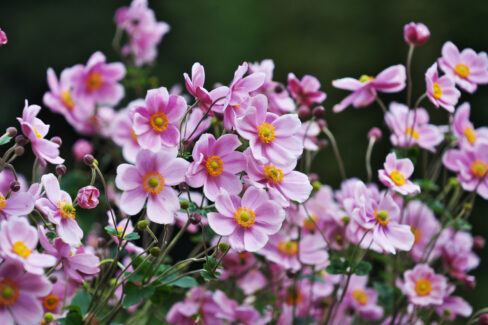
If you want your Japanese anemones to thrive, patience is key! These beauties don’t really become fully winter-hardy until they’ve been settled in the same spot for at least two years. That’s why I always recommend planting them in the spring—it gives them a long runway to establish a strong root system before the first frost hits.
Planting Japanese Anemones in the Spring
Just like their bulb-grown cousins, spring is the absolute best time to get Japanese anemones in the ground. Aim for a window between March and May. This gives their long “taproots” plenty of time to dig deep and get sturdy, which is exactly what they need to survive the winter chill.
Until your anemones have had about two or three years to really find their footing, you’ll want to give them some extra TLC during the winter. A cozy layer of mulch, fallen leaves, or evergreen brush is a lifesaver—especially for plants that were put in the ground late and still have sensitive roots.
Pro tip: If you plant *Anemone hupehensis* directly in the garden in late autumn, the chances of it surviving its first winter are actually pretty slim. If you just can’t wait until spring to buy one, your best bet is to keep it in a container for the first season.
Growing Japanese Anemones in Containers
The great news is that Japanese anemones do wonderfully in pots on a balcony or patio! Unlike planting in a garden bed, container planting is much more flexible—you can pot them up in spring, summer, or fall. Just a heads-up: avoid planting during a major heatwave. Young seedlings and cuttings are super sensitive to heat and will dry out before you can say “watering can.”
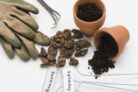
To give your potted anemones a boost, mix some compost or organic fertilizer (like horn meal) into the soil right at the start. Even in pots, they’ll need winter protection. Cover them with some brush, and for an extra layer of safety, move your pots onto a piece of Styrofoam and tuck them right up against the house wall to block the wind.
Pruning and Care Tips
When it comes to pruning, wait until early spring—just before the new growth starts to peek out. If you’re looking to propagate your plants, August is the perfect time to take root cuttings. Grow these little guys in a pot over the winter, and they’ll be ready to move to their permanent home outdoors the following year!