Thinking about adding a pear tree to your backyard? There are tons of varieties out there, but prices can vary quite a bit. Rare heirloom varieties or large, mature trees can definitely put a dent in your wallet. Let’s break down what you can expect to spend.
A Quick Price Comparison
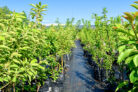
If you’re looking for a bargain, spindle or bush-style trees are usually your best bet. You’ll likely recognize the most popular varieties like Conference, Williams (Bartlett), or Louise Bonne. Most of these are available as standard , semi-standard , or grafted onto quince rootstock as bush or spindle trees.
Standard and semi-standard trees are perfect for large gardens or traditional orchards. Because these trees are older and require more specialized pruning, prices usually start around $35.
Bush and spindle forms are great for smaller spaces and typically cost about $10 less than their bigger brothers. “Columnar” pear trees (perfect for snacking!) are trendy right now, so they usually cost a bit more than standard bushes. You’ll also pay a premium for rare varieties or “multi-graft” trees (where several types of pears grow on one trunk). However, those multi-graft trees are actually a great deal because you don’t need to buy a second tree for pollination !
Where to Buy: Online vs. Local
When you’re ready to pull the trigger, you’ve got two main options. Here’s the lowdown on both:
- Buying Online
- Buying Local (Nursery or Garden Center)
Buying Online
- Pros: Prices are often lower, but keep an eye on those shipping costs!
- Cons: You only see a stock photo. The tree that shows up on your doorstep might not look nearly as good.
- Cons: You usually miss out on expert advice regarding planting and care.
- Cons: Long shipping distances mean a higher carbon footprint and a stressed-out tree.
Buying Local
- Pros: You’re supporting your local economy and small businesses.
- Pros: You get face-to-face expert advice on which variety fits your soil and how to keep it healthy.
- Pros: Professional delivery for big trees, or you can just haul it home yourself.
- Cons: The price tag is often a bit higher than what you’ll find on the web.
Save Money with DIY Grafting
If you’re on a tight budget and feeling adventurous, you can try grafting your own tree. You’ll just need a rootstock and a “scion” (a cutting) from a variety you love. Check with neighbors or friends—if they have a pear tree that tastes amazing, ask for a cutting! It’s a fun way to get a custom tree for next to nothing.
Ongoing Care Costs
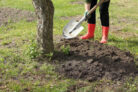
When you first plant your tree, mix some compost or organic fertilizer into the soil. I recommend horn meal; it’s super affordable and does the trick perfectly. The nitrogen helps those new branches take off. If your tree is struggling to bloom , a little phosphorus and potassium can help.
Dealing with fungus? You can actually make your own horsetail tea spray to fix it on the cheap. As for aphids and other pests , the best defense is picking the right spot for your tree from the start. You can also invite “good bugs” to do the work for you by putting up an insect hotel!
Pro Tip: No matter where you buy your tree, do a little homework on what that specific variety needs. A little research now will save you from the heartbreak of a tiny harvest later!