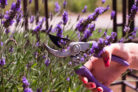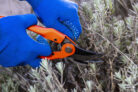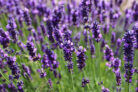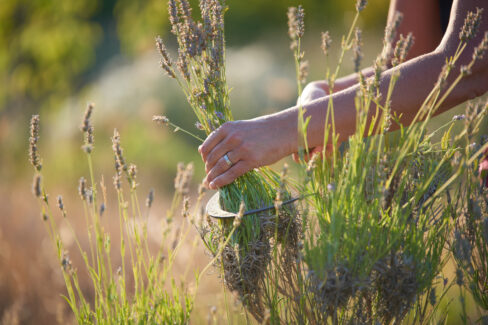
Pruning lavender after it blooms is a must-do for any gardener. However, if you wait too long into the late summer to grab your shears, you might actually hurt your plant’s chances of surviving the winter. Here’s the lowdown on how to prune your lavender and, more importantly, when to get it done.
How to Prune Your Lavender
As soon as your lavender starts to fade and the flowering season winds down, it’s time to get to work. Giving it a good trim ensures the plant keeps that beautiful, bushy shape we all love and prevents it from getting too woody and leggy. Plus, this is the perfect time to harvest those fragrant blooms! You can dry them out for sachets or even use them in the kitchen. But even if you don’t plan on keeping the flowers, you still need to prune once the lavender blooming season is over.
Here’s how to do it:
- Grab a pair of garden shears or a sickle and make sure they are nice and clean.
- Cut back the stems by about one-third.
- Make sure you’re removing the spent flowers along with a good portion of the green stems.
The Best Time to Prune
When you should prune really depends on where you live. In warmer spots like the Mediterranean, lavender blooms earlier and the mild climate is much more forgiving, so pruning later in the season isn’t a big deal.
However, for those of us in cooler climates, timing is everything. You really want to have your lavender trimmed back by mid-August at the latest. If you wait much longer than that, you’re taking a bit of a gamble with your plant’s health.
The plant needs plenty of time to “harden off” and prepare for the cold winter months. Those freshly cut stems need a chance to regrow slightly and mature before the temperatures start to drop. By pruning early enough, you’re giving your lavender the best shot at a cozy winter. Some gardeners even prefer to do their heavy pruning in early spring just to avoid any winter-kill risks altogether!