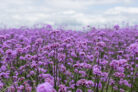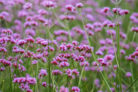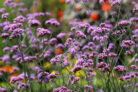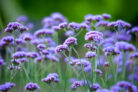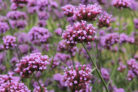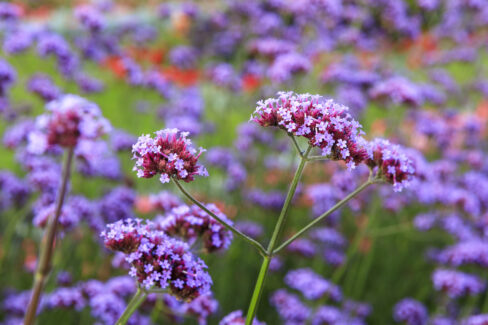
Common Vervain (bot. *Verbena officinalis*) might look like a humble wildflower you’d spot growing along a hedge or a quiet path, but don’t let its modest looks fool you! With so many colorful hybrids available today, Verbenas have become a versatile favorite for many gardeners. But a question I get asked a lot is: do these beauties actually need a regular haircut?
When is it time to prune?
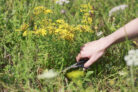
The short answer is that Verbena is pretty low-maintenance and can get by just fine without a strict pruning schedule. However, that doesn’t mean your garden shears should stay in the shed! There are a few good reasons to give them a trim. First and foremost, you should always snip off any diseased or withered stems as soon as you spot them. It keeps your garden looking sharp and, more importantly, keeps the plant healthy.
When fall rolls around, it’s time for a more “radical” cut. Cutting the plant back significantly in autumn makes it much easier to overwinter, whether you’re leaving it in the ground or moving it to a protected spot.
I also recommend grabbing your snips during the blooming season. By regularly “deadheading” (removing spent flowers), you’re actually telling the plant to put its energy into making new buds. This results in a much longer and lusher flowering season—which is great news for the local bees and butterflies that love the scent of Verbena!
Do Verbenas make good cut flowers?
Absolutely! While Common Vervain has a delicate, understated look that’s perfect for a “wildflower” bouquet, its cousin, Tall Verbena (bot. *Verbena bonariensis*), is the real star of the show. With its striking purple clusters, it’s a fantastic addition to any floral arrangement. Pro tip: You can start these from seed on your windowsill in February and plant them out in the garden once May arrives.
The Quick Essentials:
- Regular pruning isn’t strictly necessary for survival.
- Give them a heavy cut before overwintering.
- They make lovely cut flowers, especially the Tall Verbena (*Verbena bonariensis*).
- You’ll get the best blooms in warm, sunny spots.
- Deadheading is the secret to more flowers.
Quick Tip: If you have plenty of Verbena in your garden, go ahead and snip a few stems for a colorful summer bouquet. Just be sure to leave enough for the bees and butterflies—they’ll thank you for the snack!