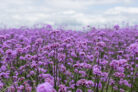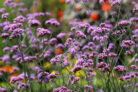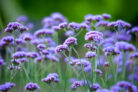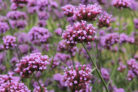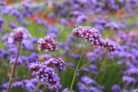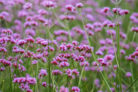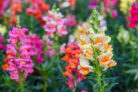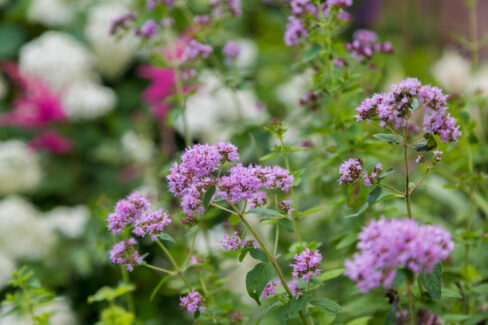
Verbenas are a staple in many gardens for a good reason—they’re tough, low-maintenance, and absolutely stunning. Plus, if you’re looking to support your local pollinators, these plants are a fantastic food source. Adding some verbena to your flower beds is like putting out a “welcome” sign for bees and butterflies!
The Perfect Spot and Soil
For the most part, verbenas love a sunny, warm spot with soil that is rich in organic matter and drains well. They don’t mind a bit of moisture, either. These hardy plants (often called Vervain) can handle partial shade and are surprisingly resilient against the elements—wind, rain, and summer heat usually don’t faze them. Just keep in mind that many popular varieties aren’t winter hardy in colder climates.
Caring for Your Verbenas
Even though they’re considered “easy-care,” verbenas still need a little love to look their best. They are actually pretty thirsty and hungry plants! You’ll want to water them regularly to keep them happy. To save yourself some work, use a slow-release fertilizer; that way, you only have to feed them once or twice a year. As for pruning, a heavy cut isn’t strictly necessary, though a little deadheading can keep things looking tidy.
Propagation Made Easy
When it comes to growing more verbenas, the plants usually do the heavy lifting for you. They are prolific self-seeders! If you want them to spread on their own, just leave the spent blooms on the stalks at the end of the season.
The ripe seeds will drop to the ground and sprout the following spring. Since they are “cold germinators,” they actually need the winter chill to wake up. If you decide to collect the seeds yourself, make sure to store them in the fridge for a while before planting, or they might not sprout at all.
Quick Facts at a Glance:
- Great nectar source for bees and butterflies
- Native to South America
- Location: Prefers warm and sunny, but tolerates partial shade
- Soil: Rich, moist, and well-draining
- Size: Up to 4 feet tall, depending on the variety
- Bloom time: May through October
- Colors: White, pink, blue, purple, or even multicolored
- Usually grown as an annual
- Most aren’t frost-hardy; may need protection in winter
- Easy to care for; stands up well to wind, heat, and rain
- High water and nutrient needs
- No major pruning required
- Propagate via seeds or cuttings
- Non-toxic
Pro Tip: If you have a perennial variety that isn’t winter-hardy in your zone, make sure to move it to a frost-free spot for overwintering.