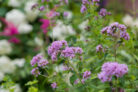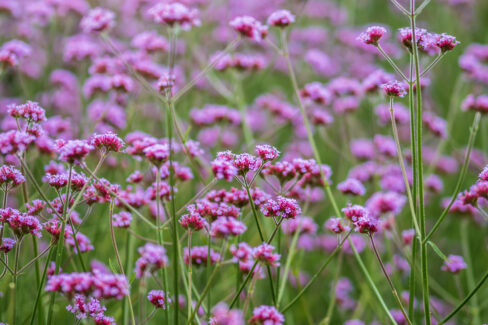
If you’re a fan of verbenas but don’t want to deal with the hassle of overwintering them or buying new ones every single spring, I’ve got a great tip for you: propagation! It’s actually way easier than most people think to grow your own “supply” for next season. Let’s dive into how you can get more of these beauties for your garden.
Propagating Verbenas from Cuttings
If you’re planning to take cuttings from your verbena, the sweet spot is between late summer and early fall. This method works especially well for woodier varieties, like Common Vervain. If you want to give your plants a little head start, you can always use a bit of rooting hormone to encourage those roots to sprout.
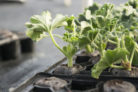
Start by picking out some healthy, strong-looking stems. Snip off the tips, making sure each cutting is at least four inches long. Pro tip: make your cut just below a leaf node (that little bump on the stem). Strip off the lower leaves and tuck the cuttings into some lightly moistened seed-starting mix.
Where to Put Your New Cuttings?
Once your cuttings are potted up, find them a nice warm home. Partial shade is the way to go here. While they love the sun, a full-sun spot might be too intense and scorch the young plants before they’ve had a chance to establish. You want to keep the soil consistently moist, but definitely not soggy. Covering the pot with a bit of plastic wrap or a clear dome can help keep the humidity up and prevent the soil from drying out too fast.
Is Growing from Seed Worth It?
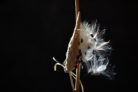
Verbenas are actually pretty reliable germinators—you’ll often see them self-seeding in the garden! The big secret to success here is that they are “cold germinators,” meaning the seeds need a period of cold temperatures to wake up. Also, don’t bury them too deep; they need a little light to sprout. You can get a jump on the season by starting your seeds indoors on a sunny windowsill as early as late winter.
The Quick Cheat Sheet:
- Propagating is often easier than trying to overwinter old plants.
- Best time for cuttings: Late summer to early fall.
- Cut stems to about 4 inches long.
- Remove the bottom leaves.
- Use moist seed-starting soil.
- Keep them in a warm, bright spot (avoid direct scorching sun).
- Keep the soil evenly moist.
- Wait until after the last frost to move them outside, as they aren’t cold-hardy.
- Best time to sow seeds: Late winter.
Quick Tip: Make sure your young plants are strong and the danger of frost has completely passed before you plant them out in the garden.