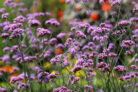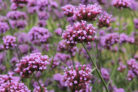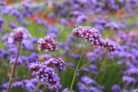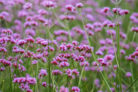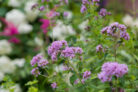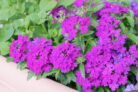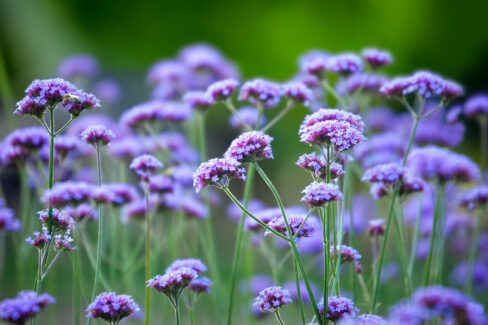
There are so many different types of verbenas out there—you might even know them by the old-school name “Vervain.” Since many of these beauties hail from South America, they aren’t exactly built for freezing temperatures. Overwintering them can be a bit of a project, but if you have a favorite variety, it’s definitely worth the effort!
Are there any cold-hardy verbenas?
The only variety originally native to Europe is Common Vervain (bot. Verbena officinalis), sometimes called Holy Herb or Simpler’s Joy. This traditional medicinal plant is a true perennial and handles a “normal” winter pretty well. However, extreme deep freezes or a soggy, cold winter can still take it out. A little bit of winter mulch or protection can go a long way for these guys.
When should I bother overwintering my verbenas?
If you’ve planted your verbenas directly in a garden bed, overwintering them is honestly a lot of work. You’d have to dig them up, pot them, care for them indoors all winter, and then replant them in the spring. The good news? Many varieties are prolific self-seeders. You’ll often see tiny new seedlings popping up in the spring without you having to lift a finger for propagation. In that case, trying to save the old plant isn’t really necessary.
It’s a different story for container gardens or window boxes. You won’t usually get those “volunteer” seedlings in a pot, and since the plants are already mobile, they’re much easier to move inside. If you have the space and you’re growing a perennial variety, it’s totally worth saving them for next year.
What does the perfect winter home look like?
Ideally, you want to keep your verbenas somewhere cool, dark, and well-ventilated. The most important rule: it must be frost-free! Some varieties are incredibly sensitive to the cold. Maintenance is pretty low-key—just water them occasionally (don’t overdo it!) and let some fresh air in now and then. Just make sure they aren’t sitting in a direct, chilly draft.
Quick Summary:
- Most varieties aren’t winter-hardy
- Usually grown as annuals
- Overwintering is possible, but not always worth the hassle
- Self-seeding often does the work for you in garden beds
- Keep potted plants in a frost-free spot
- Give them a good pruning before moving them inside
- Water occasionally and ensure good airflow
Pro Tip: If you have a specific plant you’ve really grown attached to, go ahead and try overwintering it—it’s a great way to get a head start on next season!