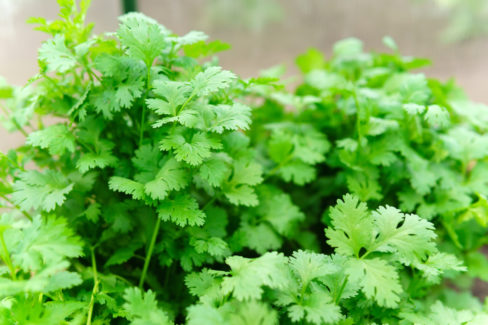
Let’s be real: you’d be hard-pressed to find any garden soil that doesn’t have a few mildew spores lurking in it. When the conditions above ground get just right, these fungi spread like wildfire, and unfortunately, your parsley isn’t safe from the party. When it comes to mildew, the best offense is a good defense—prevention is way more effective than trying to save a plant that’s already covered.
Powdery vs. Downy Mildew
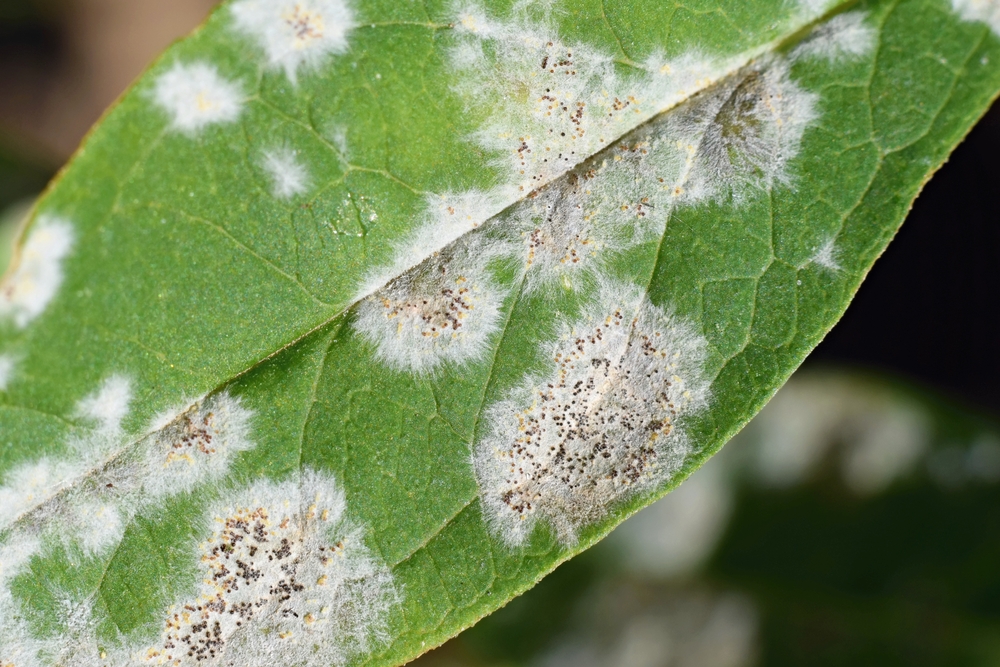
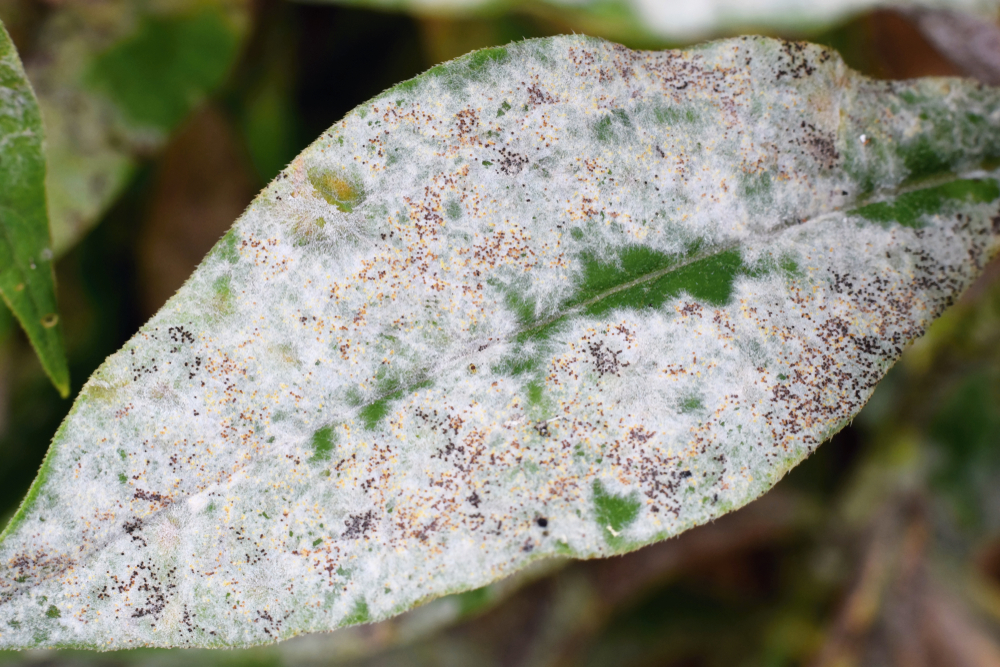
If you’re growing parsley in your backyard, you’ve got to keep an eye out for both Powdery and Downy mildew. These pathogens are incredibly common in the soil and can survive there for a long time. Here’s how to tell them apart:
- Powdery Mildew is your “fair-weather fungus.”
- It thrives on hot, dry days.
- You’ll mostly see it on the tops of the leaves.
- It looks like a velvety, white-to-light-gray dusting of flour.
- Downy Mildew is the “bad-weather fungus.”
- It loves high humidity and temperatures around 70°F.
- It’s a common culprit in greenhouses.
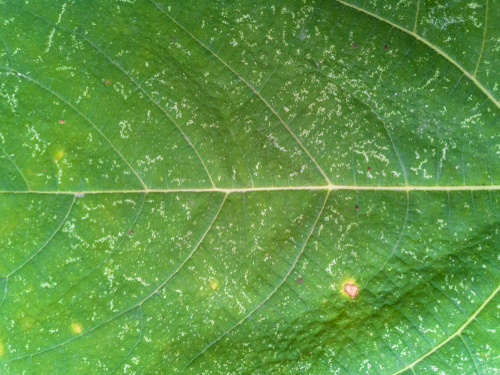
- The fuzzy growth is usually grayish and sticks to the undersides of the leaves.
Focus on Prevention
Technically, Powdery mildew isn’t toxic, and you *could* wash it off the leaves. But let’s be honest—nobody really wants to harvest and eat herbs that were covered in fungus. Plus, trying to rescue those delicate little leaves with harsh chemicals isn’t exactly great for your health. The best move is to make your parsley a “no-go zone” for fungi from the start.
- Don’t pick a spot that’s too shady.
- Sow your seeds in well-draining soil.
- If your soil is compacted, mix in some sand to loosen it up.
- Don’t overwater!
- Always do the “finger test” first (the top 1.5 inches of soil should be dry before you water again).
- Keep the water off the leaves; aim for the base of the plant.
- Thin out your seedlings once they hit about 2 inches tall.
- Give them some “breathing room”—about 4 inches apart is ideal.
- Make sure there’s plenty of space between your parsley and other plants.
Chives: The Secret Weapon
Parsley and chives are great garden buddies, making them perfect for companion planting. Many gardeners have noticed that parsley seems to suffer from mildew much less often when it’s planted next to chives. If you use both herbs in your kitchen anyway, there’s no reason not to pair them up!
Pro Tip:
If you catch a mildew infection in its very early stages, you can try a natural remedy. Spray your herbs with a classic mixture of water and milk—it’s a tried-and-true organic gardener’s trick!