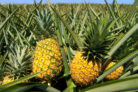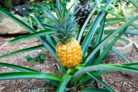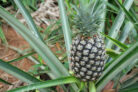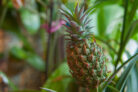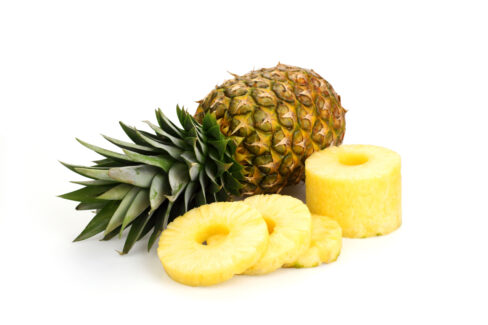
Think you know the pineapple? You might be surprised! There are actually a lot of myths floating around about this tropical favorite. Not only is it one of the most popular fruits grown across the globe, but it’s also a total powerhouse when it comes to health benefits.
The Bromeliad Family
First things first: despite what many people think, a pineapple isn’t a palm tree. It’s actually a member of the Bromeliad family. Just like its cousins in this family, the main plant dies off once it’s finished flowering and fruiting. If you want to keep the cycle going in your own garden, your best bet is to propagate it using “pups” or offsets.
Botanical Quick Facts:
- Plant Family: Bromeliaceae
- Botanical Name: Ananas comosus
- Appearance: A short stem (about 12 inches high) with long, narrow, lance-shaped green leaves that can reach up to 4 feet in length.
- The Bloom: Striking red bracts with small, tubular violet flowers tucked in between.
- Species: There are about eight distinct species, with countless cultivated varieties out there.
Where They Grow
Pineapples thrive in tropical regions with plenty of humidity. You’ll mostly find them growing between 10 degrees north and 10 degrees south of the equator, though they can pop up a bit further out if the climate is just right.
The pineapple is a heavy hitter in the fruit world, consistently ranking in the top ten most cultivated fruits globally. Costa Rica leads the pack, churning out a massive 3.4 million tons every year. The Philippines and Brazil aren’t far behind, both producing over 2.5 million tons. You’ll also find smaller-scale production in places like Kenya and Tanzania.
Growing Your Own Pineapple
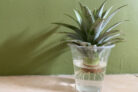
The pineapple makes a fantastic houseplant because it loves staying warm all year round. Unlike many other tropical plants that need a cool, frost-free spot to rest during the winter, the pineapple is perfectly happy hanging out in your heated living room. Just a heads-up, though: you’ll want to mist it regularly. Coming from the tropics, it craves high humidity—something our dry indoor air in the winter definitely lacks!