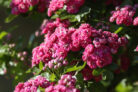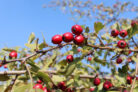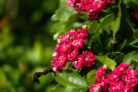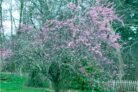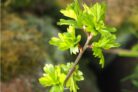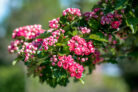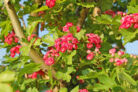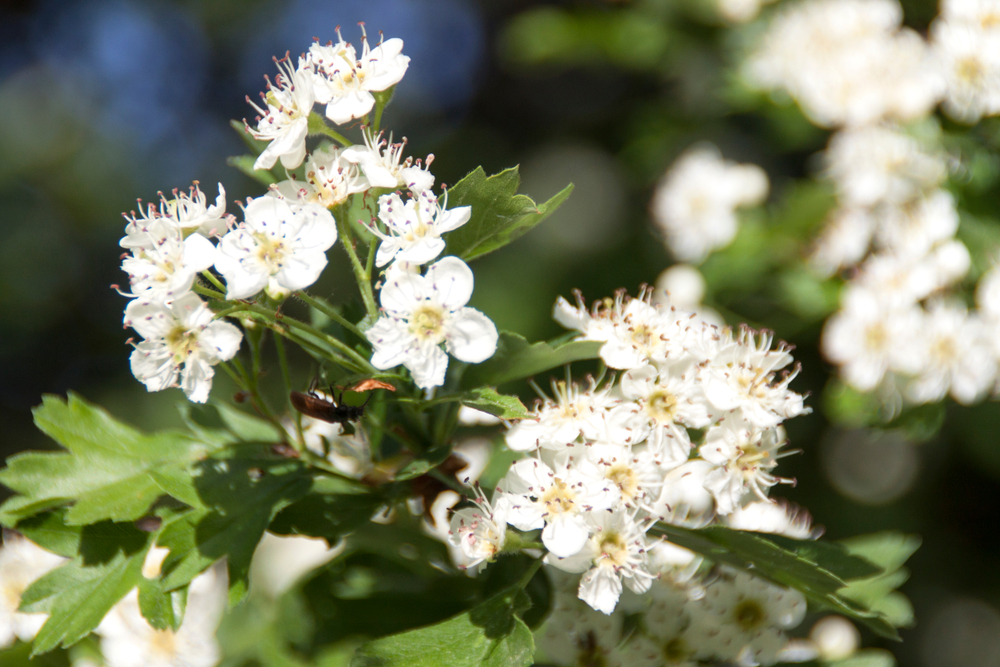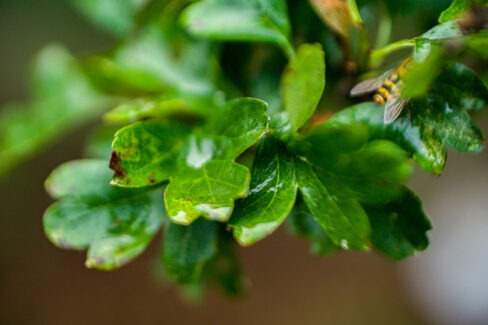
Meet the English Hawthorn (often called the Paul’s Scarlet)—a stunning relative of the common white hawthorn. Whether you’re growing it as a standalone specimen tree or a lush hedge, those vibrant, crimson flower clusters are a total showstopper in any yard. But what should you do if your hawthorn is being a bit shy and refuses to bloom?
Why Isn’t My English Hawthorn Blooming?
Generally speaking, these trees are reliable bloomers. If yours is looking a little green but lacks that pop of red, it usually comes down to the right location and the overall health of the plant. Here are the most common culprits:
- Not enough direct sunlight
- Too much deep shade
- Nutrient-deficient soil
- Pruning at the wrong time
Location and Soil
The English Hawthorn is a total sun-worshipper. Even partial shade can noticeably thin out the blossoms, and in full shade, it’ll barely grow at all. If your tree is struggling to flower, check if neighboring trees have grown large enough to block its light. You might need to do some thinning nearby to let the sun back in.
One thing to keep in mind: these trees have deep taproots, which means they *hate* being moved. It’s best to pick the perfect spot right from the start. Look for an open area where it has plenty of room to spread its branches. On the plus side, those deep roots make it great at finding water, so it handles dry spells like a champ. And just like its white-flowering cousins, it’s incredibly hardy during the winter.
When it comes to soil, the English Hawthorn has a few specific preferences. It thrives in soil that is:
- Rich in nutrients
- Consistently fresh/moist
- High in pH (alkaline)
To give your tree the best start, I recommend using a soil test kit before planting. If your soil is too acidic, you can mix in a little lime. Adding some fresh compost is also a great way to give it a natural nutrient boost.
Pruning Your Hawthorn
If your tree is getting a bit wild or if you’ve planted it as a hedge, you’ll eventually need to break out the shears. Luckily, these trees are very forgiving and bounce back quickly from a good trim.
The secret to when to prune is all in the timing. You want to prune right after the flowers have faded. If you wait until fall, you run the risk of cutting off next year’s buds. English Hawthorns develop their flower buds on “two-year-old wood.” Stick to trimming back the fresh new growth and removing any dead wood, and you’ll be rewarded with a spectacular show next spring!