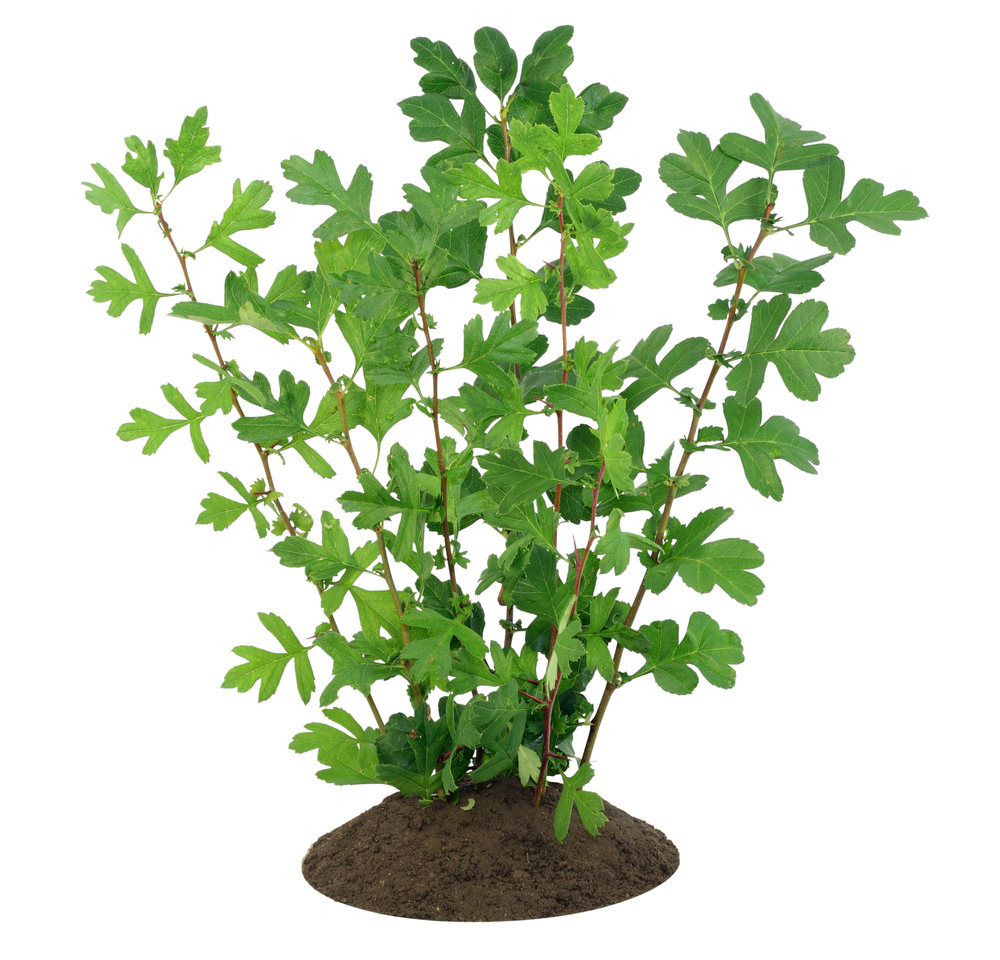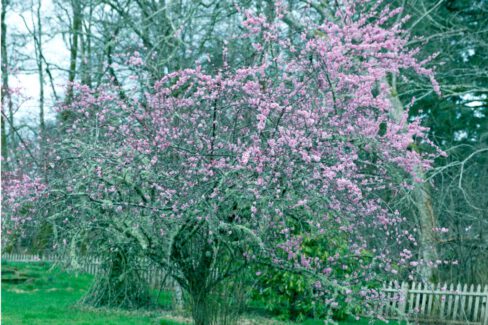
If you’re looking to add a stunning English Hawthorn (often called Red Hawthorn) to your yard, I have some great news: it’s a total breeze! As long as you pick the right spot from the get-go, this tree is incredibly low-maintenance and hardy.
Location and Soil
The English Hawthorn isn’t particularly picky. You’ll see them thriving everywhere from private backyards to public parks and city streets. The golden rule? Give it plenty of sunshine. It needs a spot in full sun with even light distribution to really show off. While it can handle a bit of partial shade, you’ll definitely notice fewer of those gorgeous blossoms. Also, make sure it has room to breathe! These trees can shoot up by about 28 inches a year and love to spread their branches wide.
When it comes to soil, aim for something fresh and rich in organic matter—mixing in some compost is always a smart move. These trees like to stay hydrated, so keep the soil consistently moist but never soggy. They hate “wet feet,” so if your soil is heavy, I recommend tossing some coarse gravel or broken pottery shards into the bottom of the hole to help with drainage.
Quick Checklist for the Perfect Spot:
- Full sun
- Even light from all sides
- Plenty of room to grow
- Fresh, nutrient-rich soil
- Consistently moist (but not waterlogged)
- Slightly limey/calcareous soil is a plus!
When to Plant
I always recommend planting your Hawthorn in the spring. You *can* plant in the fall, but it’s a bit riskier; if the roots don’t get established before the first hard freeze, the tree might struggle to make it through the winter.
How to Plant Your Hawthorn: Step-by-Step
Once you’ve picked out that perfect sunny spot, here’s how to get it in the ground:
- If you bought a bare-root tree or one with a root ball, let it soak in a bucket of water for a few hours before planting.
- While it’s soaking, loosen up the soil in your planting area, clear out any weeds, and mix in some compost to act as a slow-release fertilizer.
- Dig a hole that is twice as wide as the root ball.
- Place your Hawthorn right in the center.
- Fill the hole back in with soil and press down firmly to remove air pockets.
- Give it a very generous watering to help it settle in.
Beyond being a beautiful standalone specimen, the English Hawthorn also works great as a hedge. Because they grow so densely, they make fantastic privacy screens—just be sure to give them an annual trim to keep them in shape.
Thinking about a container? It’s possible, but only for a little while. Since these trees develop a deep taproot, a young Hawthorn will eventually outgrow even a deep pot. If you do go the container route, remember that it will need extra fertilizer and absolutely must have a layer of drainage material at the bottom.