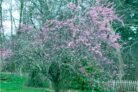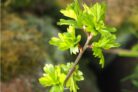
While English Hawthorn (Rotdorn) makes a fantastic hedge, I think it’s way more impressive when grown as a standard—basically, a small tree with a clear trunk. With a little regular pruning, you can transform this plant into a stunning focal point. When a standard Hawthorn is in full bloom, it’s a total showstopper that adds some serious curb appeal to any yard.
Training Your Hawthorn as a Standard
We all love trees, but let’s be real: space is often tight in modern gardens. By training a Hawthorn into a standard, you get a manageable, medium-sized tree that puts on an incredible floral show every spring. It’s the perfect solution for smaller spaces where you want maximum impact without losing your whole lawn.
Quick Facts: What to Expect
Before you head to the nursery, here’s the lowdown on what makes the English Hawthorn tick:
- Type: Small ornamental tree
- Height: Reaches up to 20 feet
- Width: Spreads about 8 feet wide
- Growth Rate: Fast! Expect 12 to 20 inches per year
- Bloom Time: Starting in May
- Perks: High ornamental value, very hardy, and handles city pollution like a champ
- Maintenance: Responds very well to pruning
How to Train Your Tree
The most important “training” happens in the first two years after planting, much like you’d treat a young fruit tree. The best time to grab your shears is early spring, just before the first buds start to pop. You’ll want to be pretty aggressive with the lower side branches—cut them right back to the main trunk using sharp, clean pruners. You should also trim the central leader (the main upright stem) by about a third.
Once your Hawthorn has some good branching going on, it’s time to shape the canopy. You can get creative here, but most gardeners agree that a classic globe shape looks the most natural. Just prune the branches that make up the crown into a rounded shape. You’ll need a steady hand and a good eye for symmetry, but the Hawthorn’s dense branching actually makes it pretty easy to sculpt into a nice, full ball.
Make this a yearly habit at the end of winter. Pick a day when it’s not freezing so the fresh cuts don’t get frostbite. Start by shortening the central leader, then trim the three or four main “skeleton” branches that hold up the crown. Once that framework is set, just trim the rest of the shoots to match your desired length.
The Pyramid Look
If you’re feeling a bit more ambitious, you can train your Hawthorn into a pyramid shape. It’s a sophisticated look, but it does take some patience. Once the main trunk is established, you’ll use ties and wooden spreaders to guide the branches into that classic triangular form. Ideally, you want four main branches angled out at about 45 degrees. Keep those spreaders in place until the wood “sets” and holds the shape on its own—this usually takes about eight years. After that, it’s just a matter of a quick annual trim in the spring to keep the lines sharp.
One final pro-tip: Always wear heavy-duty leather gardening gloves with long cuffs. English Hawthorn is famous for its long, wicked thorns, and they don’t play nice with bare skin!