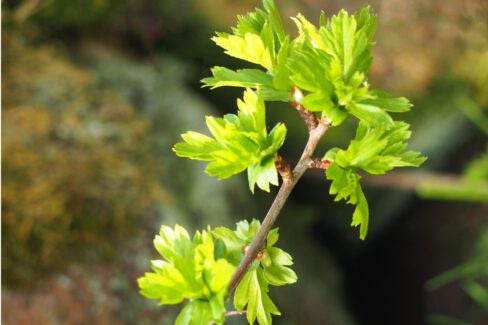
Propagating a Pink Hawthorn (Rotdorn) is definitely doable, but I’ll be honest with you—it’s not always a walk in the park. There are a few different ways to go about it, and while some are better left to the pros, others are totally manageable for a home gardener. With a little bit of patience and a green thumb, you can definitely pull it off!
Propagation Methods
There are several ways to get a new Pink Hawthorn started. Some are pretty straightforward, while others require a bit more technical know-how. Here are your options:
- Grafting
- Seeds
- Root suckers
- Cuttings
Grafting
Grafting a tree is usually something best left to the experts. It takes a steady hand and a good deal of horticultural experience. Generally, Pink Hawthorn is grafted onto a Common Hawthorn (Weißdorn) rootstock. A healthy Pink Hawthorn branch is trimmed and “grafted” under the loosened bark of the Common Hawthorn. This graft is then secured by wrapping it with raffia or grafting tape. It takes quite a while for the Pink Hawthorn branch to fully fuse with the Common Hawthorn.
Seeds
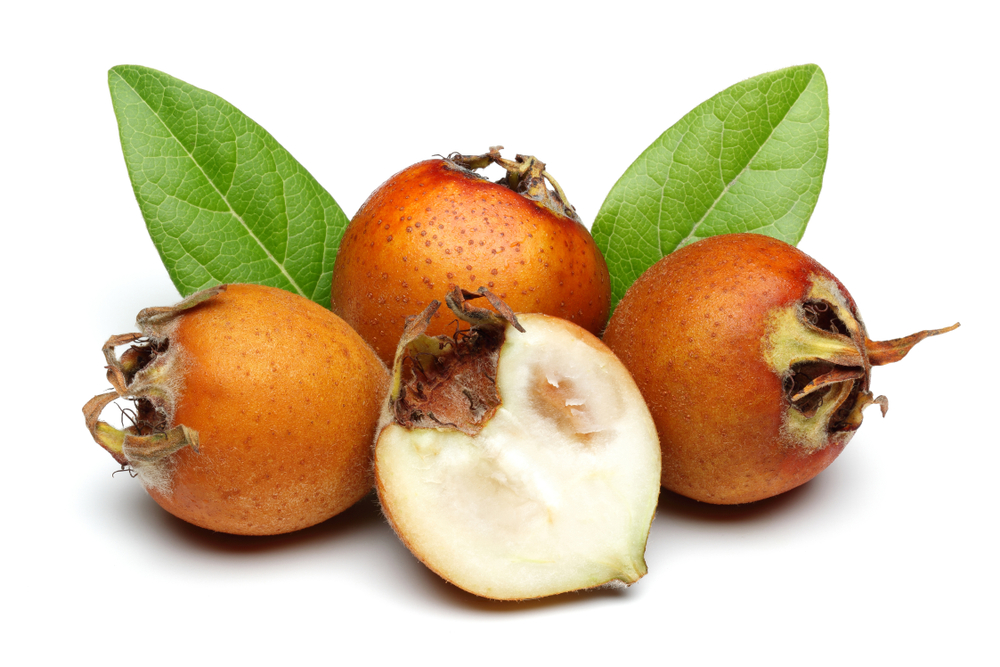
Here’s the thing: Pink Hawthorns rarely produce fruit with viable seeds. Since these trees are bred specifically for those gorgeous, lush flowers, the fruit is really an afterthought. In these double-flowered varieties, most of the stamens have actually transformed into petals. Because of this, finding Pink Hawthorn seeds for sale is pretty tough.
If you do happen to get your hands on some seeds, you should dry them out over the winter and sow them directly outdoors in the summer. Just a heads-up: it can take a long time before you see any sprouts. Don’t be discouraged if nothing happens, though—Pink Hawthorn seeds unfortunately have a pretty low germination rate.
Root Suckers
This is a popular method because it’s so easy to do! Pink Hawthorns often send out underground runners, or “suckers,” that eventually pop up through the soil as little shoots. Leave these little guys attached to the mother plant until they’re about 6 to 8 inches tall. Once they hit that size, you can sever the runner from the main plant, dig it up with a small root ball, and move it to its own spot.
Cuttings
Propagating from cuttings is a classic gardening move, though it’s a bit hit-or-miss with Pink Hawthorn. That said, plenty of gardeners have had success with it! If you want to give it a shot, here’s the game plan:
- Cut a stem about 8 inches long.
- Strip off the lower leaves.
- Stick the cutting into a pot filled with seed-starting mix.
- Keep the soil consistently moist, but make sure it’s not waterlogged.
- If needed, let the cutting overwinter in a frost-free, shady spot.
- Once you see new growth or roots poking out of the bottom of the pot, it’s time to repot.
- Move your new little tree out into the garden in the spring.