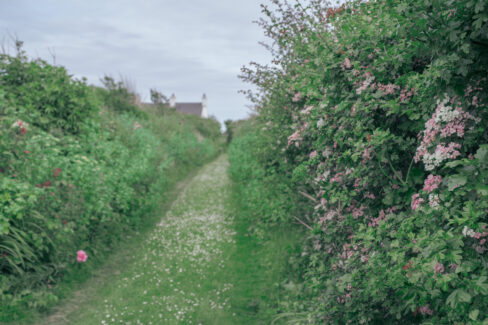
If you’re looking to frame your property with a stunning, flowering boundary, the English Hawthorn—specifically the ‘Paul’s Scarlet’ variety—is a fantastic choice. It’s hardy, low-maintenance, and puts on a spectacular show. Just keep in mind that if you want it to keep a tidy shape, you’ll need to stay on top of your pruning game.
Growing English Hawthorn as a Hedge
The ‘Paul’s Scarlet’ cultivar is the go-to for that classic “Red Hawthorn” look. It’s a relative of the common White Hawthorn, but instead of white blooms, it produces clusters of gorgeous carmine-red flowers. When it’s in full bloom, it honestly looks like a massive, sprawling rose bush. Here’s why it’s a winner for your yard:
- Excellent security thanks to its dense, thorny branches
- Super easy to care for
- Can be planted almost any time of year
- Provides a safe haven for nesting birds
- Incredible curb appeal
Beauty Meets Protection
An English Hawthorn hedge isn’t just a pretty face; it’s a powerhouse for privacy. Those bright blossoms look great, but the sharp thorns underneath act as a natural deterrent for wandering neighborhood pets or uninvited guests. On the flip side, local birds love it—the tangled, thorny branches provide the perfect protected spot for building nests away from predators.
Low-Maintenance Care
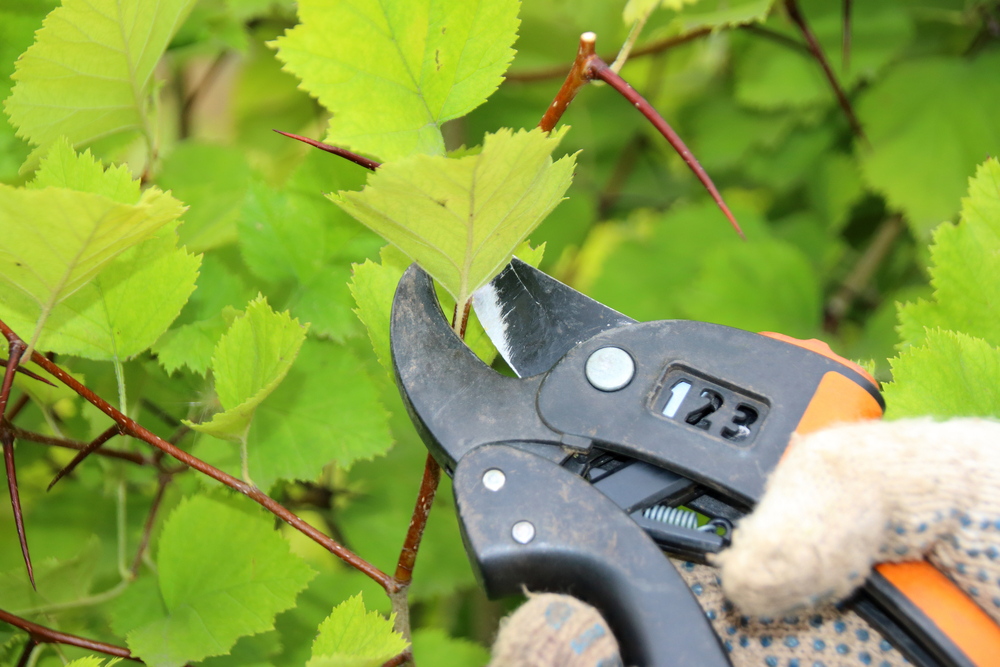
For the most part, maintenance is just a once-a-year job. You’ll want to prune it right after the flowers fade. This timing is key because you’re only removing the spent blooms, leaving the new buds for next year’s show untouched. Pro tip: Wear heavy-duty gardening gloves (the kind with long cuffs!) to protect your arms from those thorns.
To keep the soil healthy, toss some compost around the base in early spring before the new growth starts. Since these plants are deep-rooted, they handle dry spells pretty well. However, during long droughts, give them a good soak. This is especially important for young, newly planted hedges—don’t let those roots dry out!
Location and Soil
English Hawthorn loves a sunny, warm, and airy spot. If you plant it in partial shade, you won’t get nearly as many flowers, and in full shade, it’ll likely look a bit thin and sad. When it comes to soil, it’s not too picky, but it does best in deep, well-draining earth. This allows the roots to dive deep and prevents “wet feet” (root rot). Ideally, the soil should be nutrient-rich with a bit of lime.
One thing to keep in mind during your planning: English Hawthorn can be susceptible to fire blight. This bacterial disease spreads fast and is notoriously hard to get rid of—often, the only solution is to remove the affected plants entirely. If fire blight is a common problem in your specific area, you might want to consider a different hedge variety.