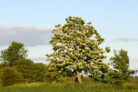
The Southern Catalpa is a bit of an exotic beauty in many backyards, even though it’s actually a proud native of the United States! While it’s been a favorite in European gardens since the 1700s, there’s nothing quite like seeing one of these stunning trees in its home element. Let’s dive into what makes the Catalpa so special.
Quick Facts at a Glance
Here’s a “cheat sheet” of everything you need to know about the Southern Catalpa:
- Its botanical name is *Catalpa bignonioides*, and it belongs to the Bignoniaceae family. Depending on who you ask, you might hear it called the “Cigar Tree,” the “Bean Tree,” or even the “Indian Bean Tree.”
- Because of its unique look, people sometimes mix it up with Angel’s Trumpet, Trumpet Vine, or Laburnum (Golden Chain Tree).
- While it originally hails from the Southeastern U.S., it’s been a staple in parks and gardens across Europe since the 18th century.
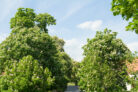
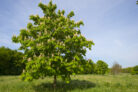
- This is a deciduous tree that takes its time growing, but don’t let that fool you—it can eventually reach heights of up to 60 feet!
- You can recognize it by its distinctive light gray to brown bark, which develops a beautiful fissured texture as it ages.
- If you’re looking for the perfect spot, aim for somewhere sunny and sheltered from harsh winds.
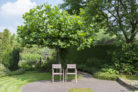
- It’s most commonly grown as an ornamental showstopper in home gardens and public parks.
- The leaves are massive, heart-shaped, and can grow up to 8 inches long. Fun fact: the faint scent of the leaves is known to help keep mosquitoes at bay!
- It’s a summer-green tree, and in the fall, the foliage turns a lovely, bright shade of yellow.
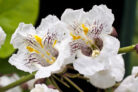
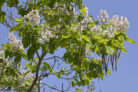
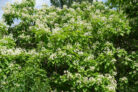
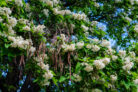
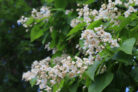
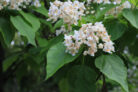
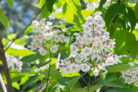
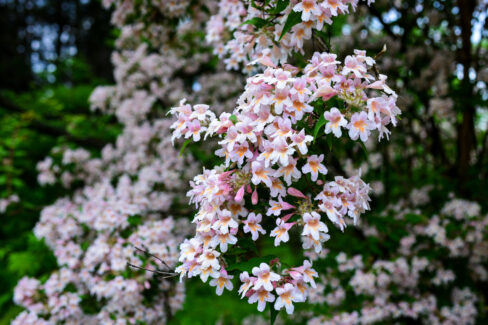
- The flowers are truly the star of the show—white, bell-shaped blooms that grow in large clusters (panicles). If you peek inside, you’ll see delicate yellow stripes and purple spots. They smell amazing and are a magnet for birds and pollinators.
- The blooming season is short but sweet, usually happening in June and July.
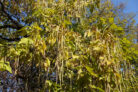
- After the flowers fade, you’ll see the fruits, which look like long green beans and can reach up to 15 inches in length.
- If you want to propagate your own, you can do so via cuttings, layers, or by planting the seeds.
- When it comes to the cold, the Catalpa is moderately hardy. Young saplings need a little extra TLC and frost protection, but once they hit about four years old, they’re usually tough enough to handle the winter on their own.
- Just a heads-up: the tree is slightly toxic. It’s a good idea to wear gloves and protect your skin when you’re pruning or handling it.