Ivy is one of those rare, incredibly versatile plants that can do just about anything. Whether you need a lush groundcover for a shady bed, a natural air purifier for your living room, or a “climbing artist” to green up a bare wall, ivy has you covered. While the planting process changes a bit depending on how you’re using it, there are a few golden rules that always apply. Let’s dive into the basics of getting your ivy off to a great start.
Buy it or Grow Your Own?
You’ll never have a hard time finding young ivy plants. They’re everywhere—from supermarkets and local garden centers to big-box stores and online nurseries. The price varies depending on the shop, the specific variety, and the size of the plant, but generally speaking, ivy is a total bargain compared to many other species.
That said, if you’re planning a massive project—like using ivy as a groundcover for a huge area or planting a long hedge—it might be worth growing your own. With a little patience, you can easily propagate new starts using cuttings or seeds.
Timing is Everything
Since ivy is hardy, you can technically plant it any day the ground isn’t frozen. However, the best times to plant are spring and fall. If you go with a fall planting, just make sure to give your outdoor ivy a little extra protection to help it overwinter safely.
The Perfect Spot and Soil
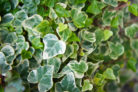
Ivy absolutely loves the shade. If you put it in direct sun without constant watering, it can dry out pretty fast. Partial shade is fine—and actually preferred for variegated (multi-colored) varieties, as they need about four hours of sun a day to keep their vibrant colors. Just make sure they’re only catching the milder morning or evening sun.
As for the dirt, standard garden soil usually does the trick. You don’t even need to mix in compost if the soil is reasonably nutrient-rich. The most important thing is that the soil is loose and well-draining; ivy hates “wet feet” (standing water). If your soil is heavy, try mixing in some sand or gravel and adding a drainage layer at the bottom.
Setting Up a Support System
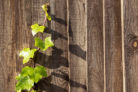
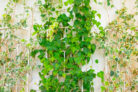
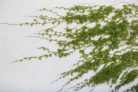
If you want your ivy to climb, you’ll need to provide a sturdy trellis or support right from the start. Keep in mind that ivy gets surprisingly heavy as it ages! If you don’t have a natural support ready, build one before you plant. Here are some classic favorites:
- Stone walls
- Exterior house walls
- Chain-link or wooden fences
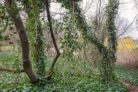
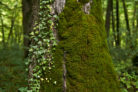
- Trees
Pro Tip:
Ivy is more likely to climb a dark-colored wall. Light-colored walls reflect a lot of light, which can actually discourage the ivy from attaching its aerial rootlets.
Spacing, Transplanting, and Neighbors
If you’re planting ivy as a groundcover, space your plants about 10 inches (25 cm) apart. For a hedge, go for 14 to 18 inches (35–45 cm). If you’re planting along a property line, leave enough space so you can easily reach it for pruning. Choose your spot wisely—once ivy is established, it’s notoriously difficult to transplant.
Ivy plays well with other shade-loving plants, but because it’s such a vigorous grower, it can sometimes crowd out its neighbors. For a stunning look, try pairing it with colorful clematis or roses.
Growing Ivy in Pots
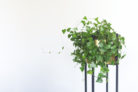
Potted ivy is a classic choice. It works beautifully year-round as a houseplant or as a lush addition to a window box on a shady north-facing balcony. Just ensure your pot has plenty of drainage holes. The same rules for soil and location apply, though indoor ivy can usually handle a bit more brightness.
Note:
Keeping ivy in the bedroom can actually help you sleep better! It’s a natural air purifier that filters out toxins like formaldehyde.
A Quick Word of Caution
Before you start your ivy project, it’s important to know that the plant is toxic. The berries—which appear in large numbers every spring once the plant reaches its mature stage—are especially poisonous. They can be very tempting to curious kids and pets, so think carefully about where you plant it to avoid any accidents.
Also, when you’re pruning or handling ivy, it’s a good idea to wear long sleeves, gloves, and even safety glasses. Some people find that skin contact with the sap leads to irritation or rashes.