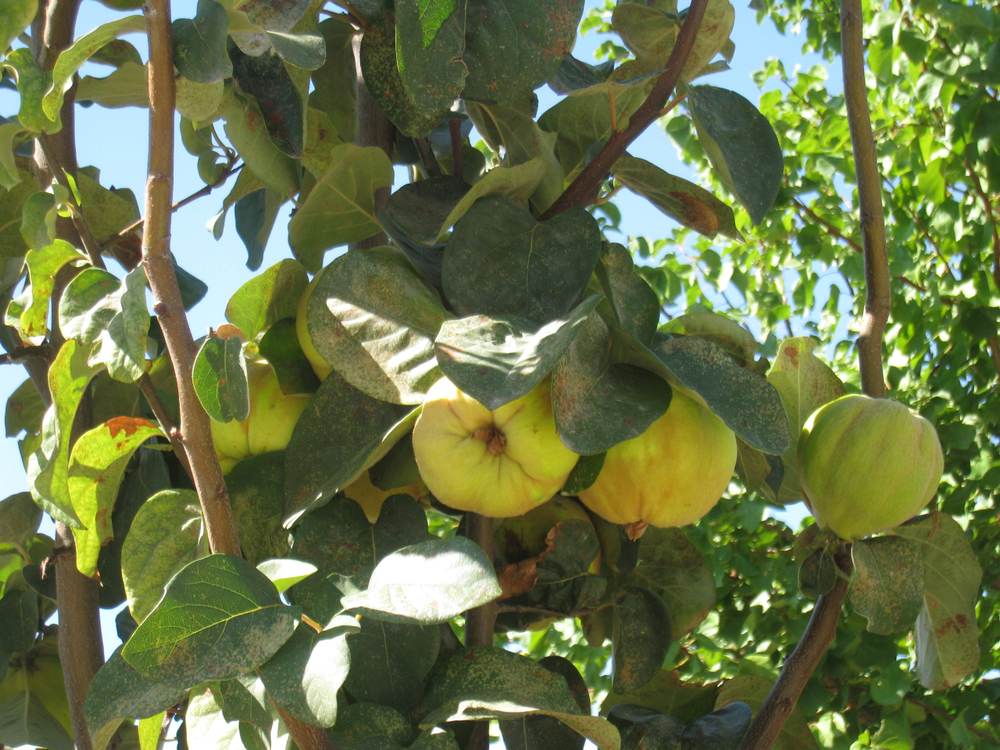
Quinces are making a major comeback! These old-school fruits are popping up in more and more backyards and orchards lately, and for good reason. If you’re looking to add one to your garden, you’ll usually find grafted varieties at your local nursery. But, if you’re feeling a bit adventurous, you can actually grow your own little quince trees yourself.
Buying Cultivated Varieties
One thing to keep in mind: you can’t really grow a specific quince variety from a seed and expect it to be the same. That’s why the pros sell grafted trees, usually joined with apple or pear rootstock. This combo results in super flavorful fruit and a plant that’s tough as nails. Quinces are famous for being resistant to diseases and pests, and they’re great at adapting to whatever the local weather throws at them. It’s no wonder they’re becoming a staple in home orchards again!
Propagating Quince from Hardwood Cuttings
If you already have a tree you love (or know a neighbor who does!), you can propagate quince using hardwood cuttings. It’s a surprisingly simple and effective way to get new plants. The best time to do this is in the late fall or winter. You’ll want to snip off a few young shoots from the tree that meet these criteria:
- About the thickness of a pencil
- Woody (not soft/green)
- Between 8 and 12 inches long
To keep your plants healthy and avoid spreading any nasties, make sure your pruning shears are sharp and disinfected. Dull blades crush the stem and create jagged edges, which is basically an open invitation for bacteria. A quick wipe with rubbing alcohol does the trick!
When you make your cuts, aim for a slanted cut at the bottom and a straight cut at the top. Then, tuck the cuttings into pots filled with potting soil. Try to keep them as upright as possible, burying about a third of the cutting in the dirt.
Place your pots in a bright, cool spot where they won’t freeze—an unheated hallway or a cool basement with a window is perfect. Over the winter, the cuttings will busy themselves growing roots. By the time spring rolls around, you’ll have brand-new little quince plants ready to go! Once the weather warms up, you can move them to a sunny spot in your garden.