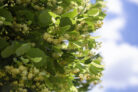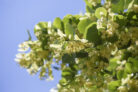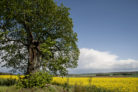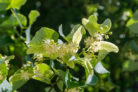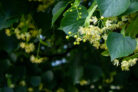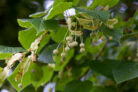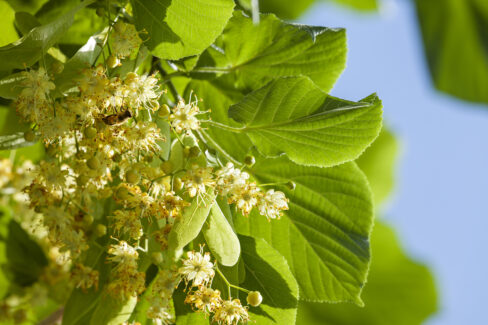
In recent years, there’s been a wonderful shift toward bringing native plants back into our yards. This trend is a huge win for our local pollinators, especially bees. If you’re looking to make a real impact, there’s one tree that stands above the rest: the Linden.
A True Paradise for Bees
Alongside crops like canola, Linden trees are a vital food source for honeybee colonies. If you want to do your part in fighting the decline of bee populations, planting a Linden is one of the best moves you can make. But before you grab your shovel, you’ll need to find the perfect spot.
Where Lindens Feel at Home
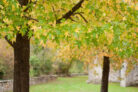
Is there anything better than relaxing in the cool shade of a Linden tree on a hot summer day? Luckily, these trees love bright, sunny spots, which makes them the ultimate natural patio umbrella. When choosing a location for your Linden, make sure the soil is well-draining and has a relatively neutral pH level.
Getting Started
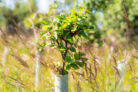
Patience is key here—you’ll want to wait until fall to get your tree in the ground. Just make sure to get the job done before the first frost hits. Give your Linden plenty of elbow room; these trees need space to spread their majestic crowns as they grow. It’s also important that the young tree isn’t stuck in the shadow of other buildings or trees during the day.
When you’re prepping the soil, give it a good loosen. If your dirt is heavy or clay-like, mix in some sand to help with drainage. Dig your planting hole about twice as wide as the root ball you’re burying.
Caring for Your Linden
Hydration is everything! Give the root ball a deep soak both before and immediately after planting. You’ll need to keep up with a regular watering schedule until the tree establishes a strong enough root system to fend for itself.
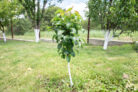
Pro tip: During that first year, stake the trunk to a sturdy post so it doesn’t lean or blow over in a storm. Once late winter rolls around, you can head out with your shears for a light pruning to help guide the tree into your desired shape.